The powerhouse global cuisine you’re sleeping on
As a freelance travel writer you find yourself tapping out stories in some strange places, particularly those that are completely disconnected to the destination you’re trying to write about. You’ll be sitting in a café in New York and trying to picture yourself in Mumbai; you’ll be on a cruise to Antarctica and trying to write about Rome. It’s discombobulating. And so I find myself in Falls Creek, on a family ski trip, writing about dining in Japan. It makes sense, when you think about it. Still, this topic is timely, because next week I will be sending out one of my monthly premium newsletters, for paid subscribers only, this time listing my 10 favourite places to eat sushi in Tokyo. Keep an eye out for it next Tuesday, and until then, let me know your thoughts (down the bottom of the page) on what I think is a tragically under-appreciated cuisine.
This is going to sound strange, but stick with me. I am going to tell you about one of the world’s most famous and popular cuisines, and then I’m going to tell you that it’s underappreciated. That people are not giving it the love it deserves.
That will sound ludicrous. But trust me, it’s true.
I’m talking about Japanese food. Specifically, I’m talking about Japanese food in Japan, and Japanese food that goes beyond sushi and ramen and the occasional katsu.
I’ve been watching recently as plenty of friends and colleagues and randos on my social media feed have travelled to Japan for holidays. I’m always interested to see where these people eat, to see if I can glean a few tips, find places I haven’t discovered (there are endless restaurants in Japan, you can’t possibly know them all).
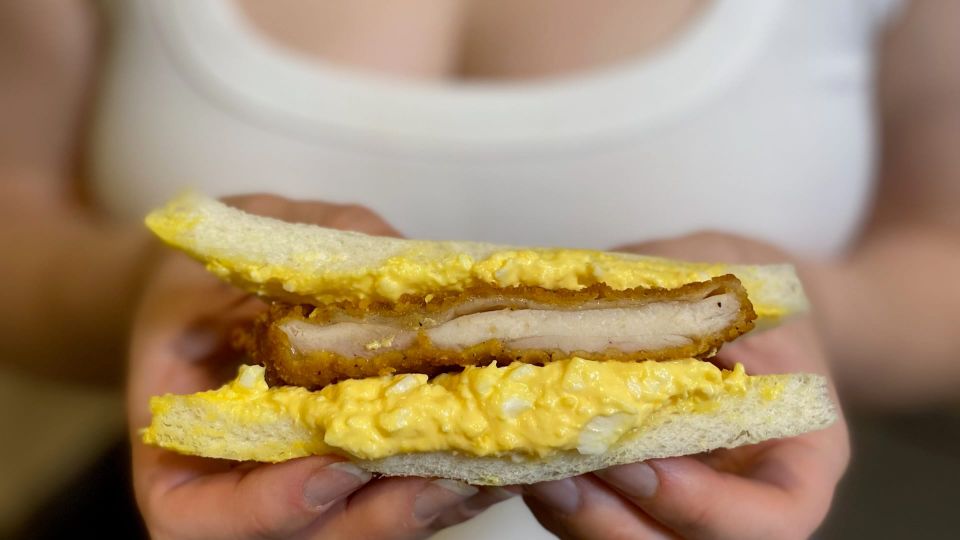
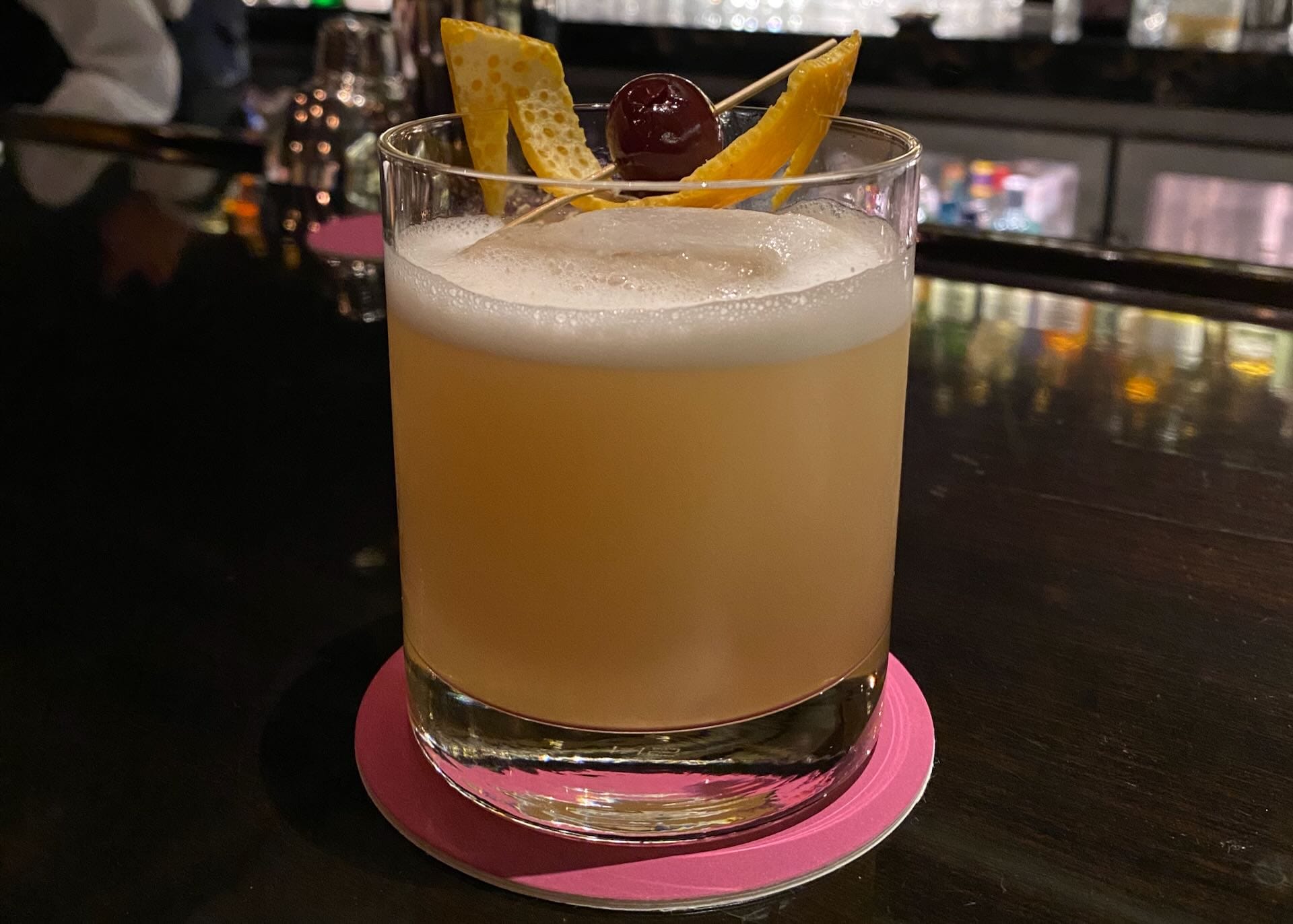
Time and time again I have watched these friends and colleagues, who know and love food in the same way I do, travel around Japan and eat food that is not Japanese. They post photos from pizza places. They hang out in wine bars. They eat ice cream. They go to konbini and pair egg sandwiches with fried chicken. They even have burgers and donuts and paella.
I have also eaten all these things in Japan and they’re very good. But the big miss on those social media feeds is Japanese food.
The Food + Travel Edit is a community-funded newsletter, and your support is very much appreciated. Please consider upgrading to a paid subscription, for just $5 a month, or $50 a year.
This baffles me. Japanese cuisine, even in Australia, is incredibly good. It’s clean, fresh, rarely deep-fried and often seafood-based. It features iconic styles such as sushi and ramen, but it’s also extremely varied, and takes influence from around the world, as well as its own long history of development and innovation.
So when you go to Japan, you should be pumped for the local cuisine. On a week-long or even fortnight-long trip you should be eating everything Japan has to offer. And yet so many food-obsessed people are not. What gives?
Partly, I think, it’s that dining out in Japan can be tricky if you don’t know the lay of the land. It’s easy enough to research a few key places and make bookings, and wander around department stores and food halls and make your choices.
But for the most part, Japanese cuisine can be a little more intimidating to access. Restaurants serving foreign food, or those catering directly to a foreign crowd, tend to have English signage, as well as plenty of windows to help you see inside and know what is going on in this place.
Many ramen and sushi joints are like that as well. You can see what people are eating from the outside. You can tell the style of restaurant, how much you’re likely to have to pay here, and whether you will actually be welcome to just walk in, or if you will cause a cowboy-Western-saloon-doors sort of scene if you stick your head in and ask for a table.
It's natural, when you don’t have a plan, to lean towards those recognisable places, to the bars with wine bottles stocked at the back, to the places with English signage, or even just English-language websites that allow you to make bookings directly, which is not something you can say for a lot of restaurants in Japan.
Largely, restaurants in Japan are difficult to even identify as restaurants, and it can be very difficult to navigate the experience if you don’t speak and read Japanese. Many are tucked down tiny lanes or in basement-level dens; their signage is all in Japanese, so you have no idea what sort of food they’re serving or what the atmosphere is like inside; you don’t know how much this will cost. That can be very tricky.
It's also worth acknowledging that many of the restaurants in Japan that serve non-Japanese food are incredibly good. You will eat well here. Pizza in Japan is really, really good. Natural wine bars are like little European wonders. Burger joints are great. Japanese pastries are mind-blowing.
However, you’re still missing out. You’re still not getting the best of Japan, because the best of Japan is Japanese.
Here’s what I think people are mostly missing out on. Sushi and ramen are definitely covered, as are izakaya that serve bar snacks to go with beer and sake, as well as katsu joints. I feel like we as foreigners have discovered these things and will give them a go.
But what about soba noodles, which are a centuries-old art form, the ideal version of “washoku”, or truly Japanese cuisine (the opposite is “yoshoku”, which is foreign-influenced cuisine). I hardly ever see people eating soba, and yet these buckwheat noodles, served hot or cold, are incredibly flavourful works of artisanal brilliance.
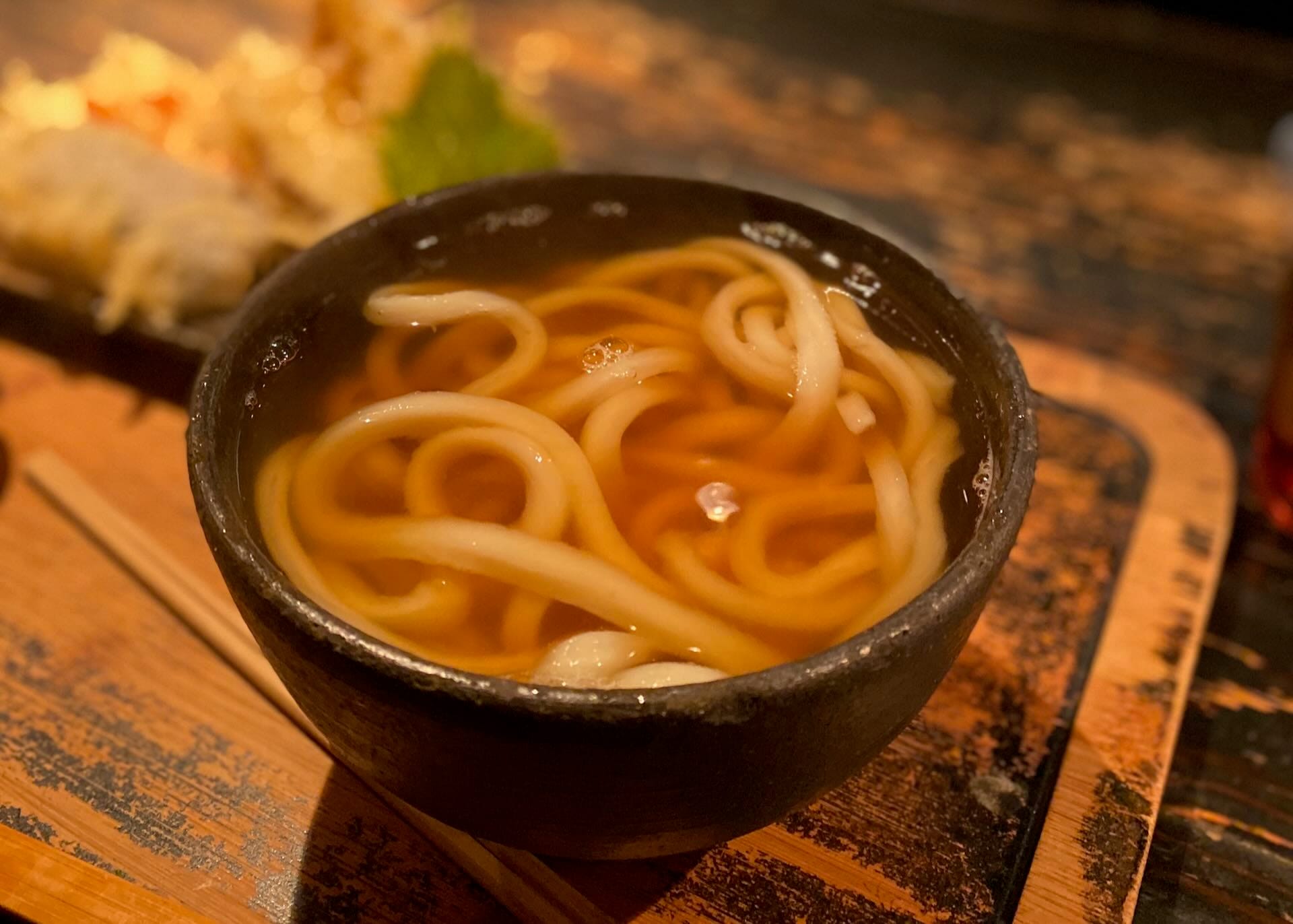
Same goes for udon noodles. Where are all the people frothing over udon in the same way they do ramen?
And what about curry? Japanese curry is a thing, it’s a niche, it’s something with diversity and variety, made in thousands of little shops that are welcoming and affordable. But nup, everyone is eating sushi. Or pizza.
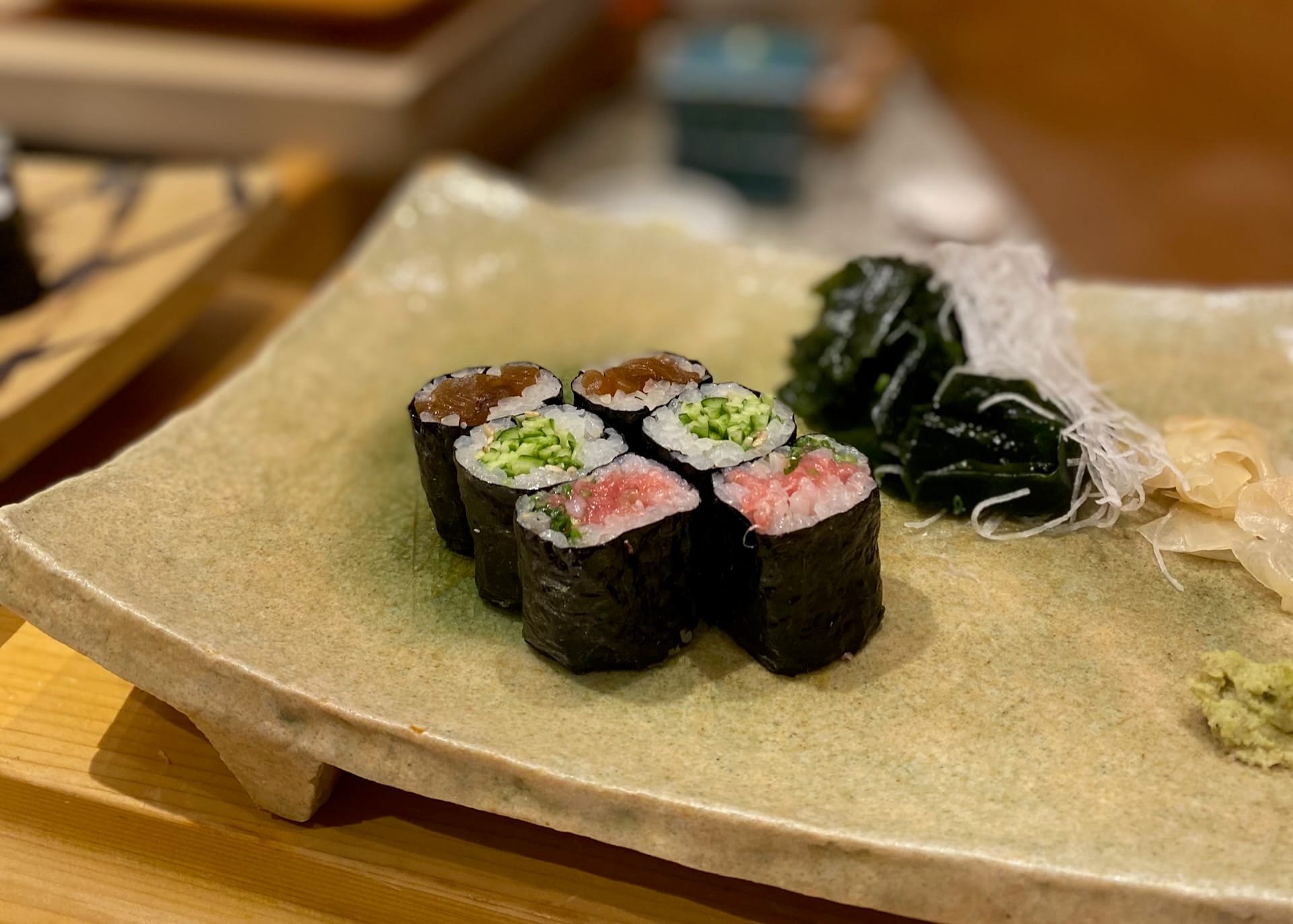
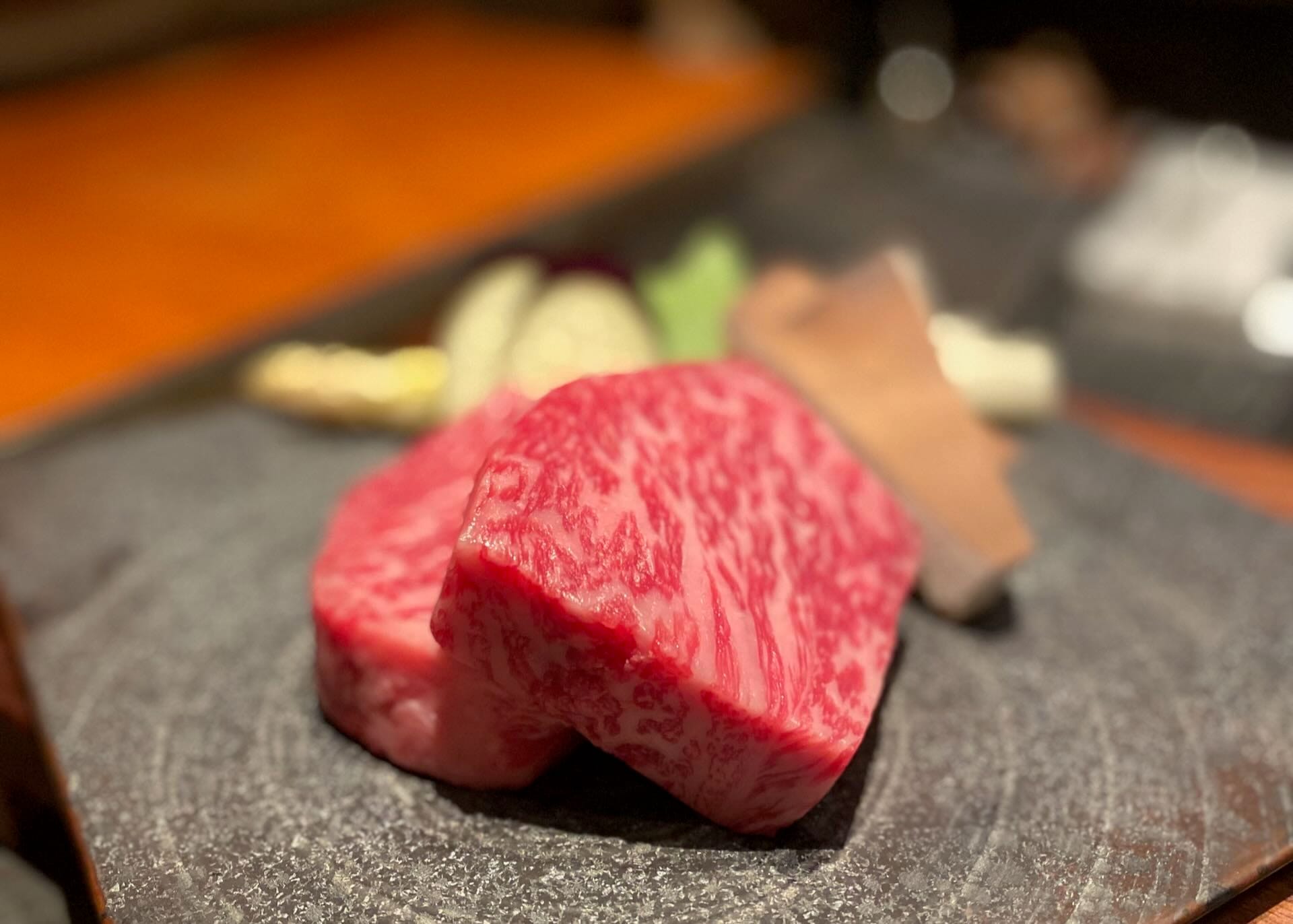
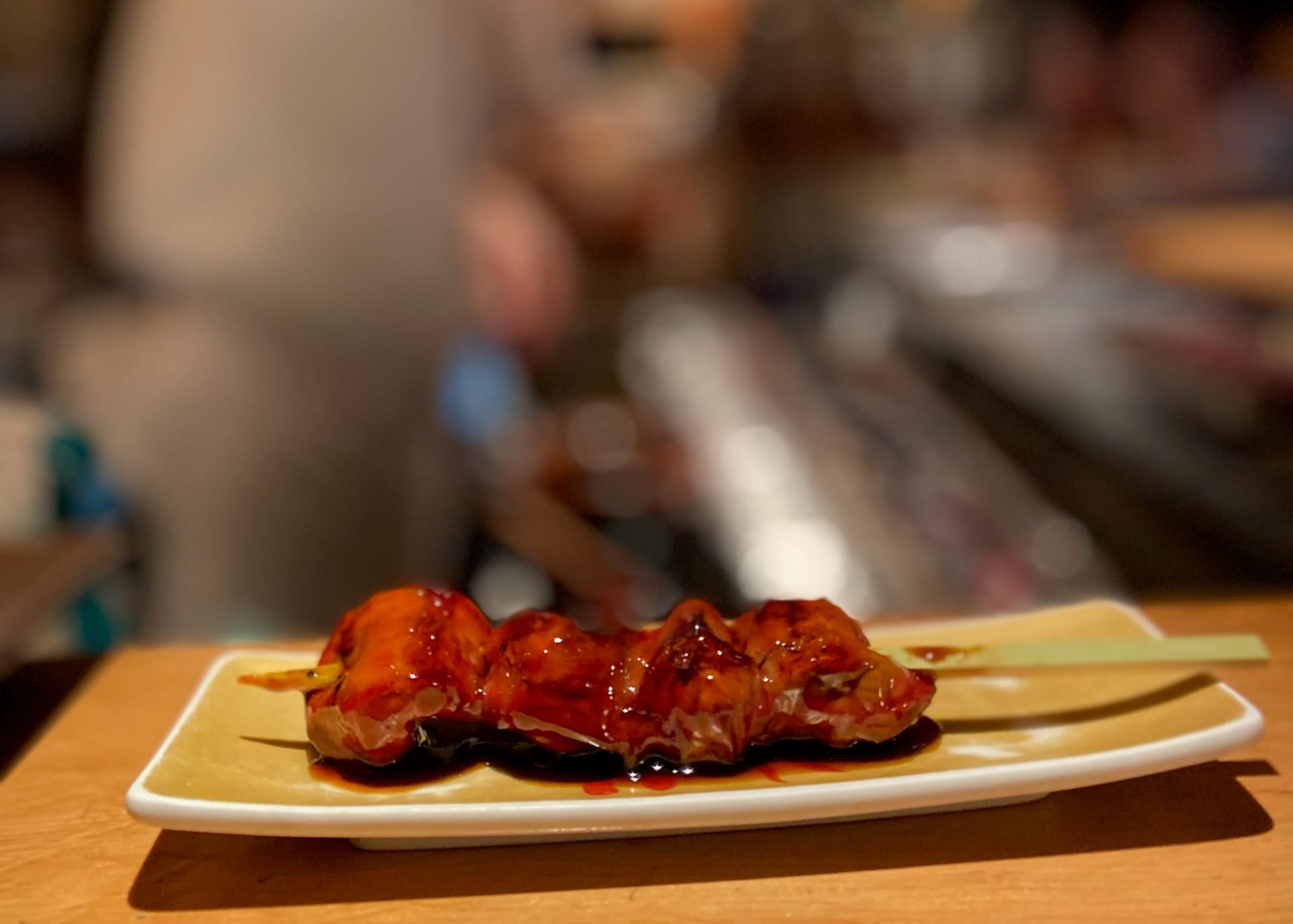
I rarely see people going out for yakitori, because I guess grilled chicken doesn’t sound that exciting, but in Japan it’s stunningly good. Same goes for hamburg steak, which is essentially just a burger patty, but again in Japan it’s stupendous. No one goes out for nabe, the traditional hotpot. They don’t eat yakiniku, the wagyu grilled over coals at your own table. There’s barely even any tempura, which is just deep-fried seafood and vegetables, which again I guess doesn’t sound all that exciting until you remember that everything Japanese cooks do is amazing.
You have to please yourself when you’re travelling, I get that. I also understand not everyone is as obsessed with Japanese food as I am. Jess and I cook Japanese food at home more than any other cuisine. This is a flavour profile I am very comfortable with consuming day after day, and if I’m in Japan you can bet that’s what I’m doing.
But there’s also an element, I think, of not really appreciating what’s out there when you’re in Japan.
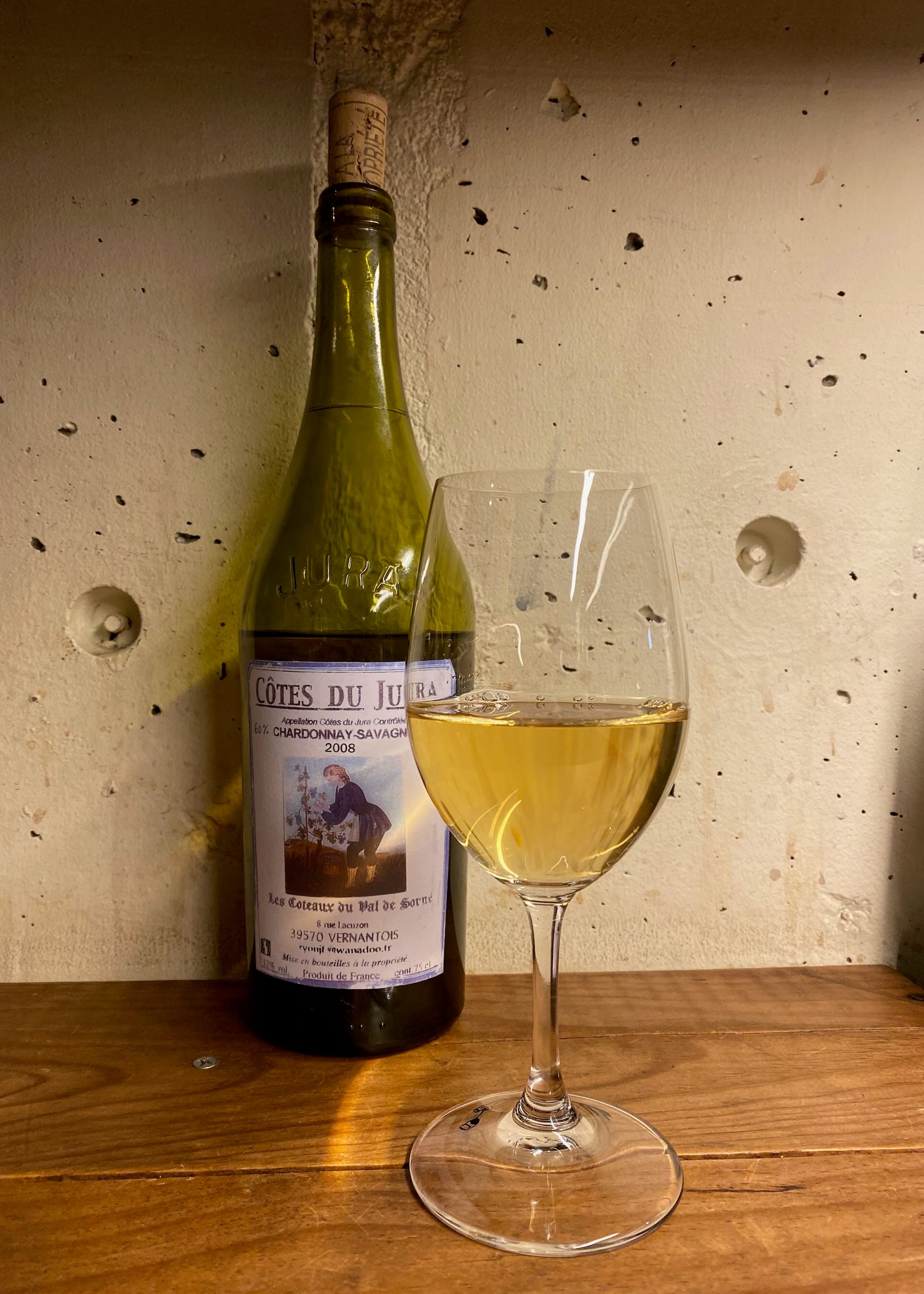
So if you’re going soon, please, I beg you, go down the Japanese food rabbit hole. Drink sake, not wine. Eat udon, not pizza. Try tempura, not burgers. Use a website like Tabelog, which is an amazing resource for local food recommendations, find places that suit your budget and serve something interesting and Japanese, and go for it.
You can eat all the other stuff when you get home.
WHAT I’M LOVING THIS WEEK
- This sincere and very charming Instagram reel caught my eye a few weeks ago, and made me think about the way we see the world when we travel. Is it condescending, or should we be more like this in our normal lives?
- I really enjoyed this story in Traveller about meeting up with a long-lost travel friend – a real life Before Sunrise.
WHAT I’M NOT LOVING
- There’s a growing trend among restaurants in Rome to have a large picture window, so that tourists can look inside and see someone – usually an older woman, or “nonna” – making fresh pasta. It’s super-tacky, particularly given most classic Roman dishes utilise dried pasta – this “sfoglina” style of rolling egg pasta is much more common in the north.
- Climate change is affecting many facets of travel and the travel experience. The latest is river cruises in Europe, specifically on the Danube and Rhine; operators are being forced to rethink their itineraries for future seasons, as low water levels and heatwaves affect their ability to operate as planned.
- The war between the US and Iran has reignited, and all eyes are now on Australia’s Department of Foreign Affairs and Trade to see if it reverts to its “Do not travel” warnings for the UAE and Qatar. If they do, it will throw a spanner in the works for many people’s European travel plans.


Member discussion