How to become a travel writer
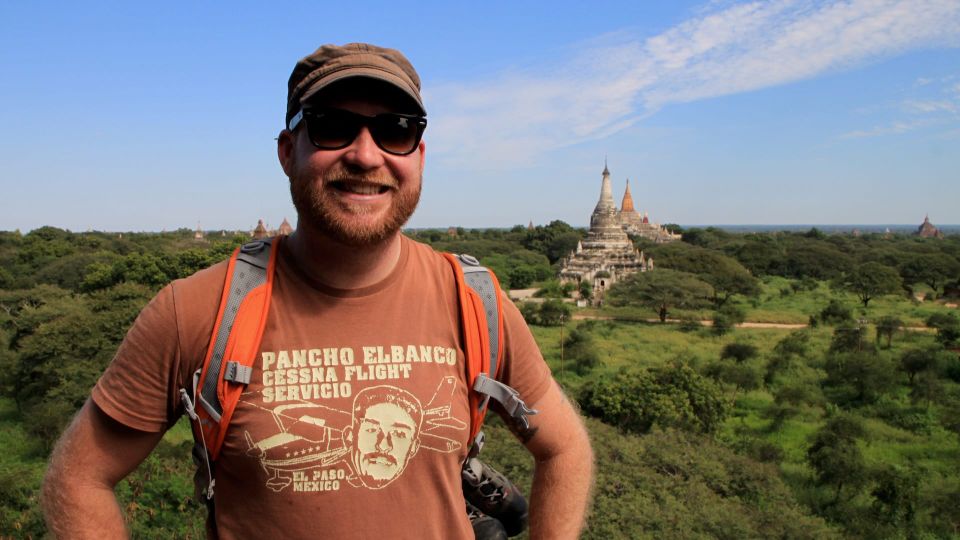
The science degree, in retrospect, was not a good idea. I suck at physics and chemistry, which is a serious setback. I also have a hard time getting my head around statistics. And none of this is a good way to help you become a travel writer.
This career was never the plan, or even the dream. When I was in my final year of high school my parents took me down to Brisbane to see a guidance counsellor, who gave me a few tests and then ran me through the job options.
I was keen on being a sports journalist then, but the counsellor assured me the prospects weren’t great: “Sports journalism is usually done by retired sports stars,” he said. And my under-12s junior rep teams didn’t count.
Science was a chance, I was told. And I loved scuba-diving. So I enrolled in an applied science degree, hoping to become a marine biologist.
Quick tip for the uninitiated: marine biologists don’t spend much time scuba-diving. And people who are studying to become marine biologists definitely don’t. They have to learn things like statistics and chemistry, and those subjects are awful.
So I decided to ignore the advice of that guidance counsellor and switch to a degree in journalism. And I was pretty good at journalism. So good that by the time I had finished my three years at the University of Queensland I had been offered a job at a little suburban magazine called Brisbane News.
(Fun fact: I spent three years at Brisbane News sitting next to another fresh-faced journalism newbie, Trent Dalton. He would go on to be quite successful.)
I’d always loved travel: by this point I had spent a year after high school travelling through North America and Europe, and had headed off to work in a ski resort in Colorado after quitting science. The idea that someone would pay me to do these things obviously appealed.
When I eventually quit Brisbane News, with the idea to once again head off for a year of travelling, I set up a meeting with the travel editor of the Courier-Mail newspaper, which was just next door, and was told to send in ideas if I had them.
I only wrote a couple of feature stories in that whole year overseas, but it was enough. When I returned home to Australia I moved to Sydney, and scored some casual work as a sub-editor on the Sydney Morning Herald’s sports desk (where the writers were not former sports stars, because former sports stars can’t write).
Do travel writers lie? Sometimes. But it's complicated.
While I was roaming the offices I got to know a few of the people on the travel desk, and I pitched an idea: every week, I would write a casual, fun opinion piece, focusing on the budget travel experiences I was used to.
OK, the editor said. You can give it a try for a few weeks and see how it goes. We’ll call it The Backpacker.
I’m still writing a version of that column almost 20 years later. It changed my life. It put me on the map as a travel writer. It got me commissions with the SMH’s printed travel section. It got me offers of free trips to amazing places, which seemed unbelievable at the time.
It got me money, actual money, for doing something I would do for free any day of the week regardless.
It took a good few years to be able to give up the sub-editing shifts and focus solely on travel. And the style of my writing and the topics and destinations I cover have morphed over the years. But that was the start, the genesis of something great.
I can’t believe that that guidance counsellor never mentioned it.
Do travel writers lie?
Sometimes. But it's complicated.
A guy was stabbed to death in a hotel room a few doors down from me once.
There was an argument, I found out later. The people in the room next to him were playing music really loudly, late into the night, so he banged on the door to tell them to turn it down. A scuffle broke out, a knife was pulled, and that’s it, the guy was dead.
I slept through the whole thing. I woke up the next morning and saw police tape everywhere, cop cars lined up in the parking lot. I saw the body being carted away, under a blanket, towards an ambulance.
And then I went to a café and picked up some breakfast.
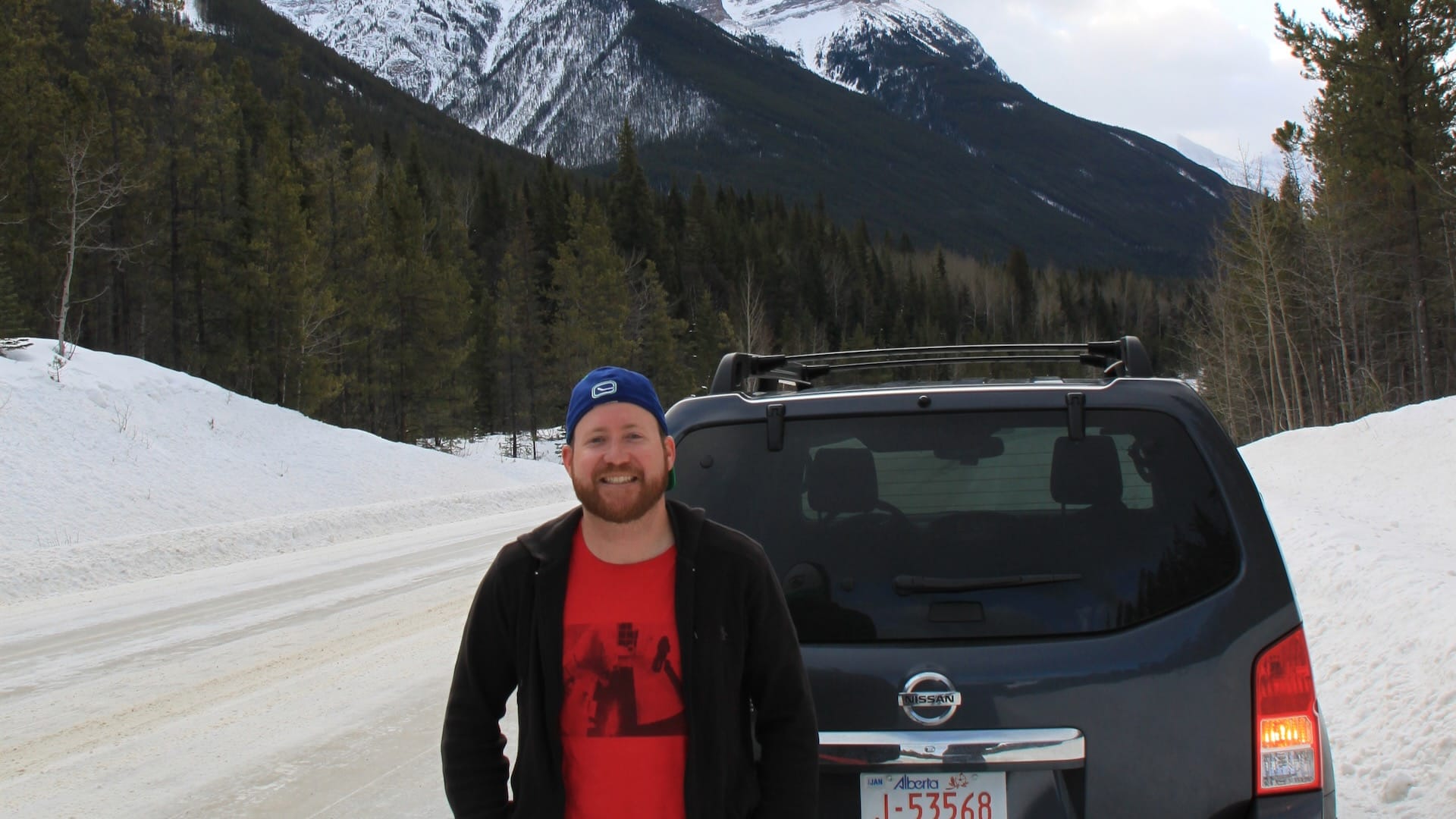
The town was Jasper, in Alberta, Canada. Jasper is normally just about the safest place in the world, where probably the worst thing that had happened there in the past decade or so was someone not saying sorry after bumping into you. But now a murder? Freakish. Frightening.
I was in Jasper on a travel writing “famil”, which is short for familiarisation tour. That’s essentially a free trip put on by someone – in this case Destination Canada, the country’s tourism board – in the hopes that you the journalist will write nice things about the destination. In fact, it’s more than hope. It’s expectation...
Member discussion