Why there are no Japanese restaurants in the 50 Best (hint: the system is cooked)

Hi there friends, and welcome to another edition of the Food + Travel Edit. As you read this I will have touched down in Japan for a 10-day family holiday, and I don’t know who is more excited, me or the kids (actually, it's definitely the kids). It’s also got me thinking about the latest edition of the World’s 50 Best Restaurants list announced last week, and its glaring omission: not a single restaurant from Japan. So what’s going on there? I have the answer. And it makes total sense. Also this week, a discount code for eSIMs, and a shout-out for just one of the many Japanese restaurants I personally would have included in my list of the world’s best. Wishing you all safe and happy travels.
There’s no such thing as a correct list. No listicle writer in the history of the internet has ever come up with a list of anything that every single reader has agreed upon. As someone who writes those lists, I even look back on some of my old selections and vehemently disagree with myself.
So we should start there. No one ever gets it right. Rolling Stone came up with a list of the Greatest Songs of All Time a few years ago and said that the best song the Beatles ever wrote was “Strawberry Fields Forever”, and that that was only the seventh best song of all time. The Beatles, apparently, never wrote anything better than Nirvana or Public Enemy, which is… look, it’s a choice.
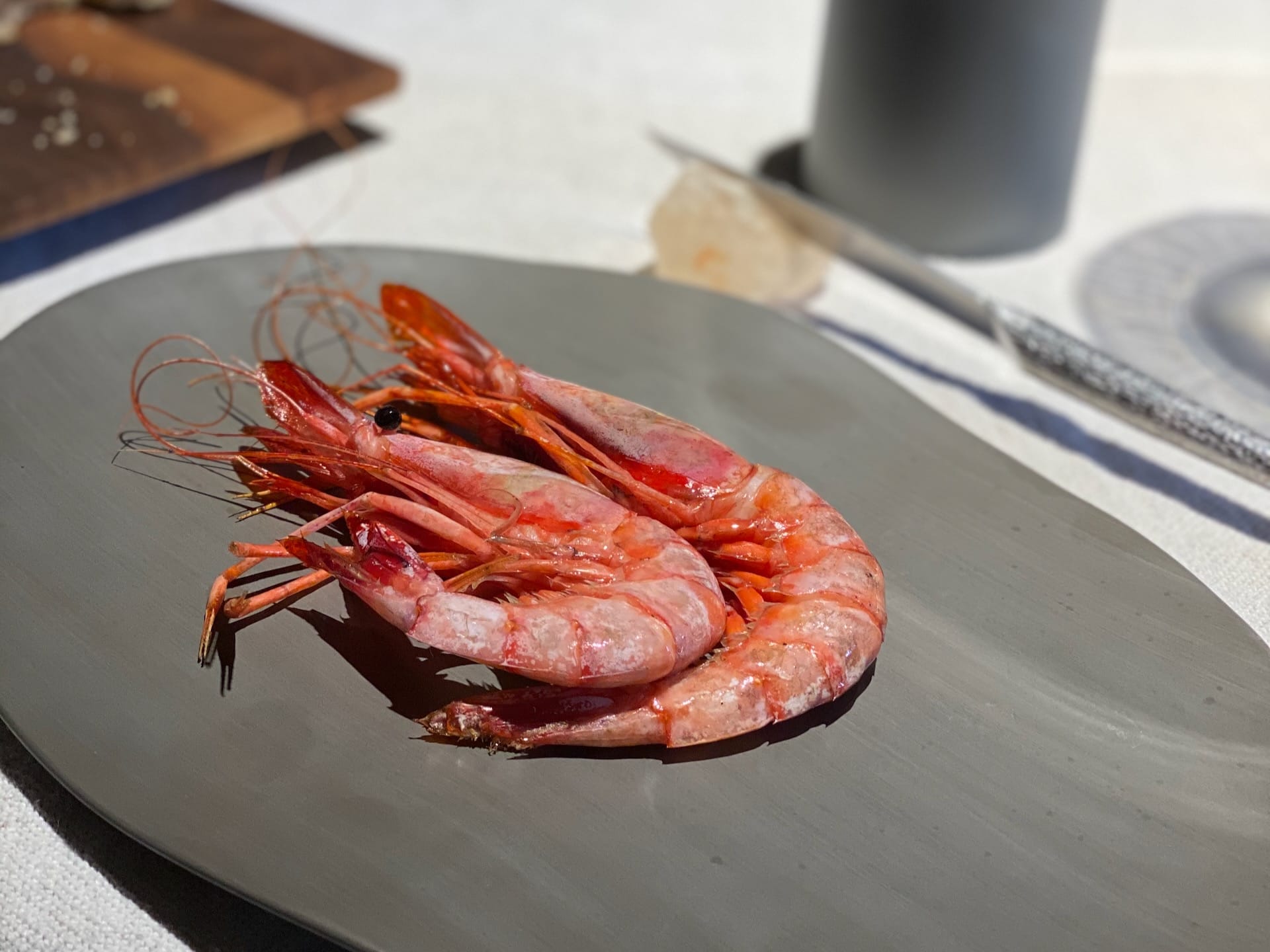
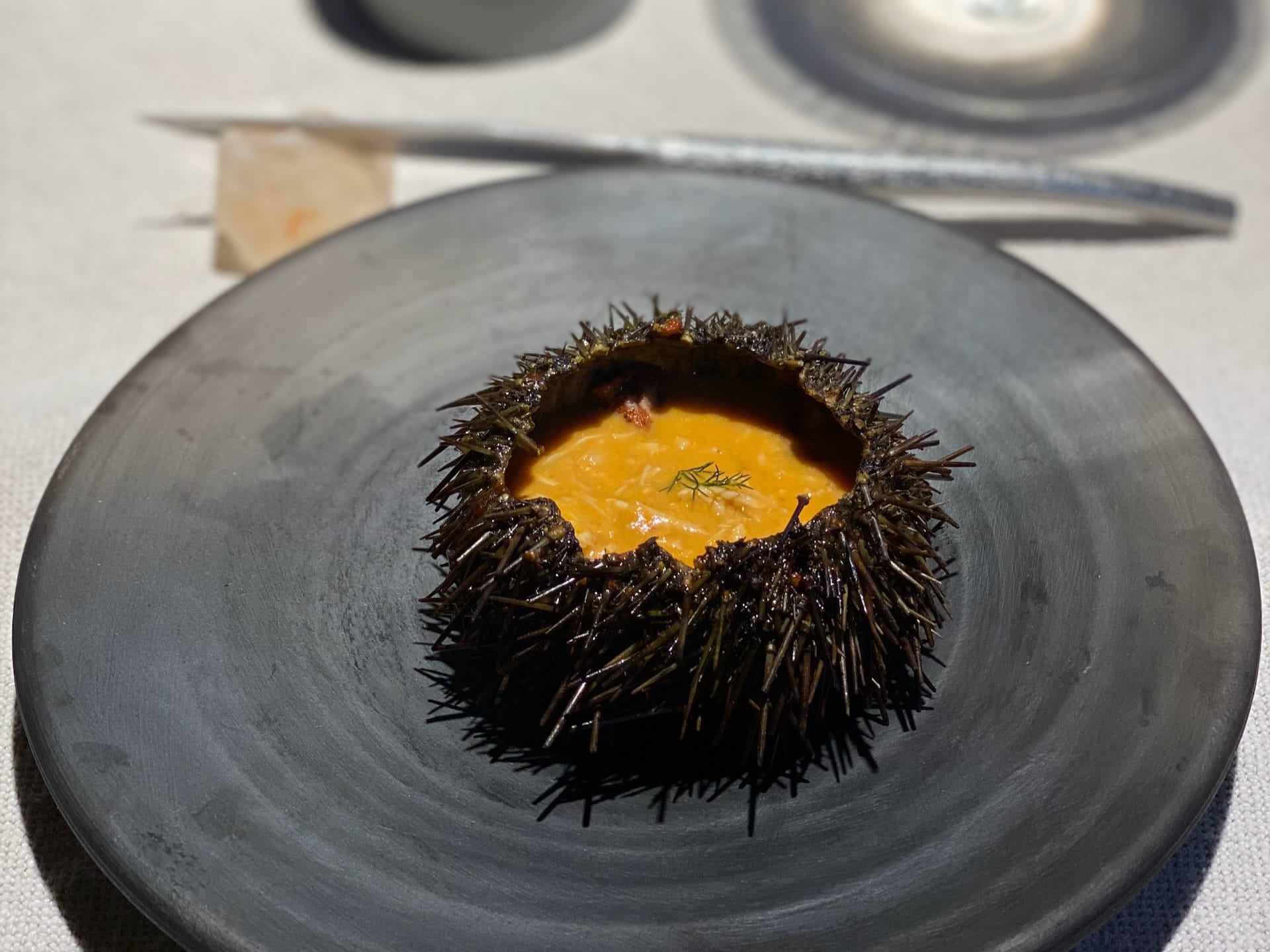
Prawns and sea urchin at Asador Etxebarri - simple, perfect.
So I don’t expect to look at the current World’s 50 Best Restaurants list and agree with it. It’s an incredibly subjective and wildly impossible task to assemble a list of the world’s best restaurants, in order, and expect it to have any sort of credibility at all.
But the truth is that the world loves a list. Rolling Stone keeps pumping them out the same way every newspaper and website and increasingly even social media posts pump them out because people like them. They attract attention, and opinions, and money.
I don’t blame “The 50”, as it now likes to call itself, for insisting on this fairly farcical operation year after year. It’s big business. And people like it.
But the best restaurants in the world? In order?
The Food + Travel Edit is a community-funded newsletter, and your support is very much appreciated. Please consider upgrading to a paid subscription, for just $5 a month, or $50 a year.
The new list for 2026 was announced in Lima last week. It was topped by Asador Etxebarri in the Basque Country of Spain, with Gaggan in Bangkok second, and Alchemist in Copenhagen third.
I have some opinions on that, as I’m sure many people do, which I will get to. But there was something else that stuck out this year as strange: not a single restaurant from Japan made the top 50. None. Amusingly, the highest placed Japanese restaurant was Ikoyi at No.48 – only, it’s a Japanese restaurant in London.
The highest placed restaurant in Japan was La Cime in Osaka, at No.52 – and it serves French food. The next highest was Sazenka in Tokyo in No.56 – and it serves Chinese cuisine. Finally, at No.59, we get to Tokyo’s Narisawa, which actually features fine Japanese fare.
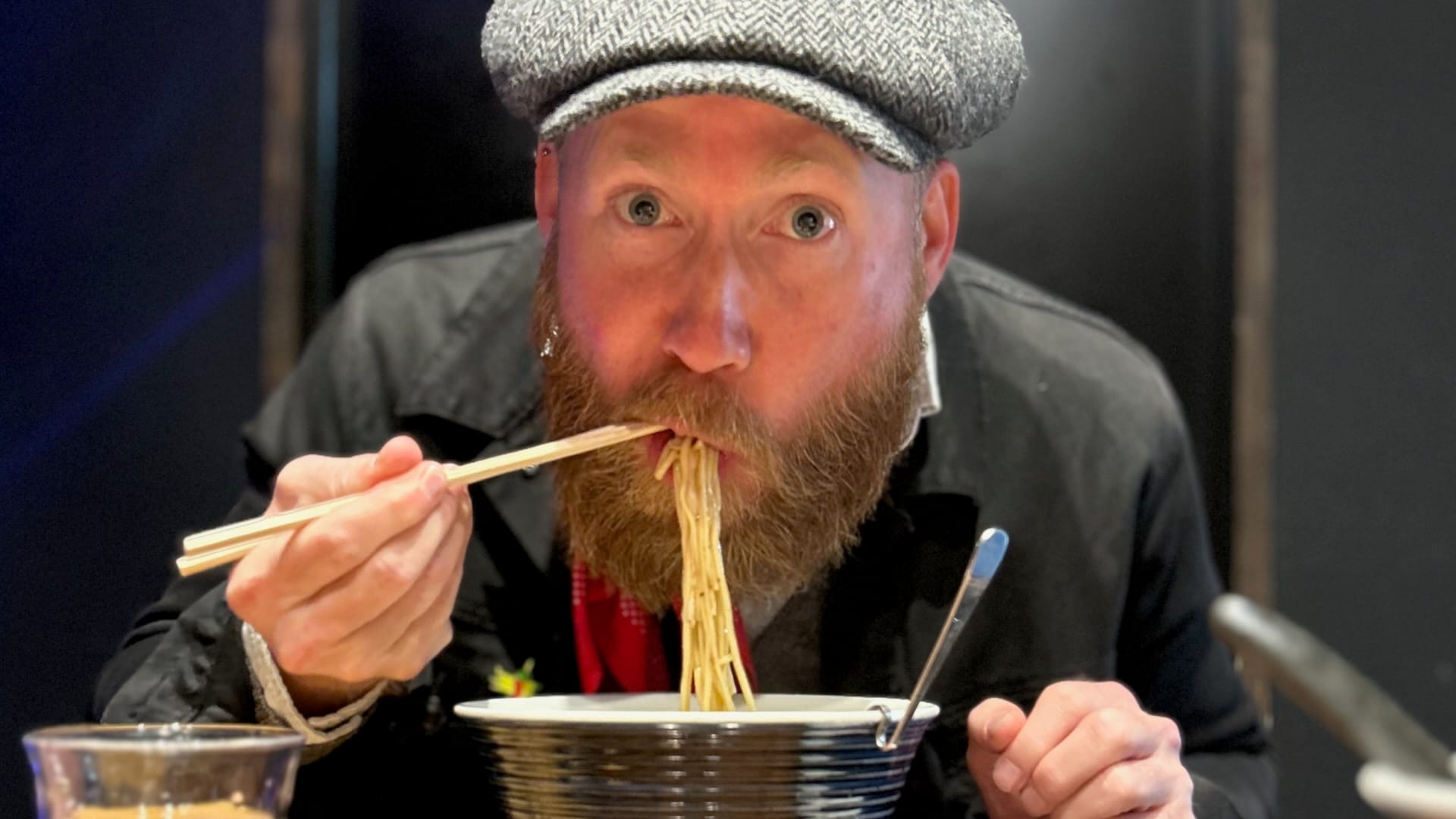
What’s going on here? Tokyo alone has 11 restaurants that have earned three Michelin stars, and 26 that have two stars. Kyoto has six restaurants with three Michelin stars, and 19 with two stars. Both are widely accepted as having among the most exciting and sophisticated culinary scenes on the planet. But neither city has found a place in the top 50, and Kyoto doesn’t even appear in the 100.
If I was making my own honest appraisal, going on dining experiences across so many countries and so many styles of cuisine, I would say probably half of what are genuinely the world’s 100 best restaurants would be in Japan.
Partly, that’s because I love Japanese food. But it’s also because I’m well aware of the phenomenal dedication to perfection that is practiced by almost every single cook and chef in Japan, whether they’re in charge of making the sauce for unagi at a little corner izakaya, or they’re preparing kaiseki cuisine for high-end clientele.
Japan has hundreds and hundreds of restaurants that would be suitable to appear in the World’s 50 Best list. But this year there are none.
And I know why that is.
Japanese restaurants don’t play the game. And there is a game that you have to play to appear in the World’s 50 Best.
You have to court attention. This is a popular vote, one that is made by more than 1000 judges worldwide, who are split into three even categories: chefs and restaurateurs, food media, and “gourmands”, regular people who know a lot about food and eat at a lot of fancy restaurants.
To appear in the 50 Best list, you need to get the maximum number of those anonymous judges through your door and sitting down at your tables. You won’t know exactly who those people are, so the more diners you have in your restaurant, the more buzz you create, the more potential judges will know about you and also join those crowds flocking in. And the more votes you will receive.
That’s why, in my opinion at least, it has taken Australian chef Josh Niland’s restaurant Saint Peter so long to crack the top 50, and even this year it only just scraped in. Being in Australia, Saint Peter just doesn’t get that many potential judges through the door. And Niland doesn’t play the game with enticements and freebies for potential voters.
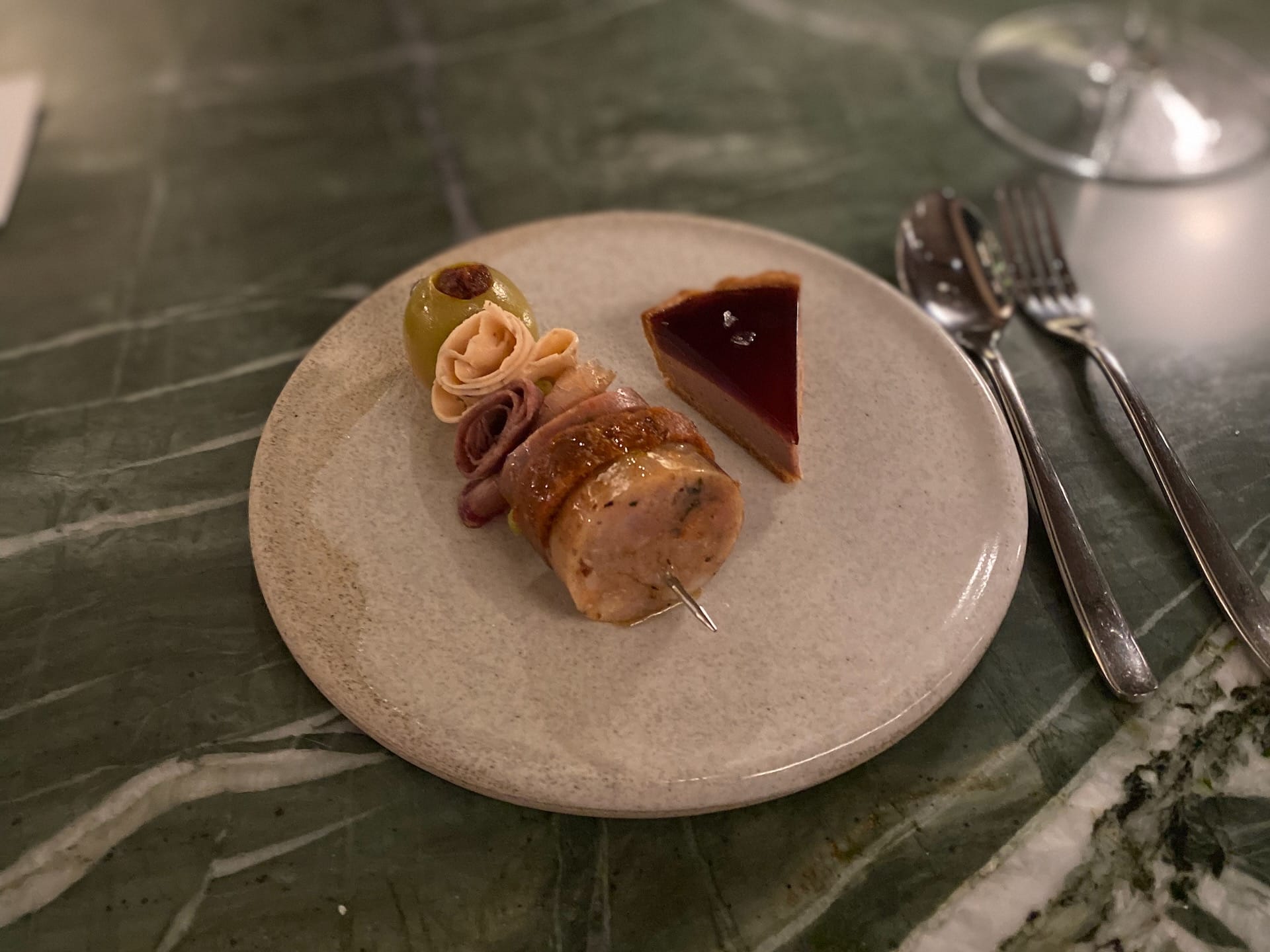
Look, meanwhile, at a restaurant like Elkano Jatetxea in Getaria, in the Basque Country of Spain, which came in at No.33 this year. Elkano is a truly great restaurant. It’s also the sort of restaurant that could easily escape the notice of 50 Best judges – it only has one Michelin star, and its specialty is whole grilled turbot, which doesn’t look as 50 Best friendly as some dainty, artistic dish with flower petals and foam.
But Getaria, and Elkano, is about a 45-minute drive from Asador Etxebarri, the cult restaurant that topped this year’s list, and the one every potential 50 Best judge has been dying to get to. And when they do get there, why not pop in to Elkano as well?
Bums on seats. Votes cast.
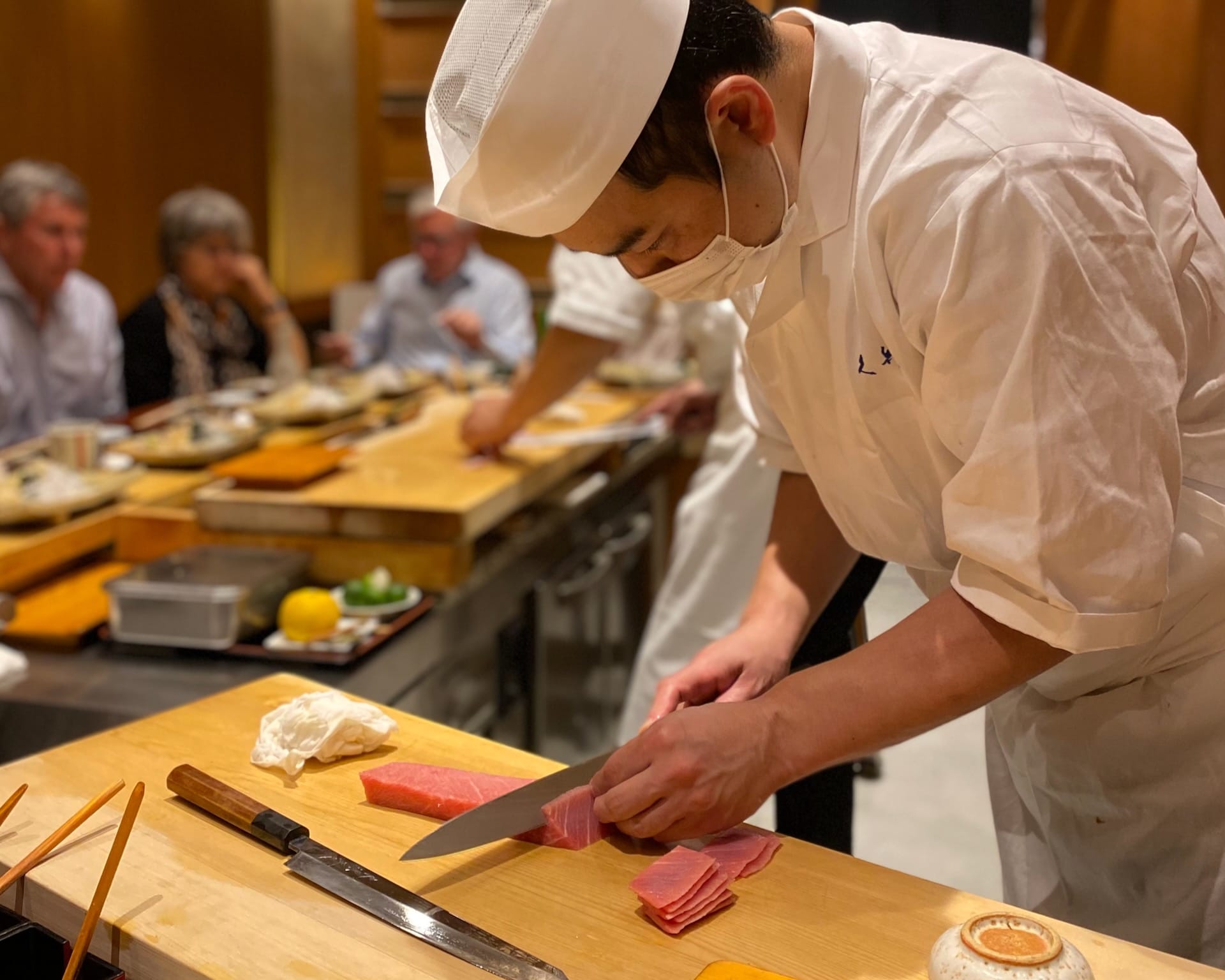
Japanese restaurants, however, don’t court international attention, often because they just don’t have the space to cater to large crowds. These are restaurants with only six or eight seats, often taken up by regulars. They’re just not going to achieve the critical mass necessary to climb the 50 Best ladder – and frankly I don’t think most of them could care less.
They also have to compete with restaurants in the 50 Best that are shamelessly gaming the system. If you think it’s odd that there are five restaurants from Bangkok in this year's top 50, and yet none from Japan in its entirety, you’re right – it is odd. It’s also easy to explain.
Those restaurants in Bangkok are spending a phenomenal amount of money on flying potential judges over to Thailand to eat at their restaurants. I was part of a group of food writers, influencers and restaurateurs that was flown from around the world to Bangkok a few years ago to eat at Gaggan, Nusara, Suhring, Le Du and Potong.
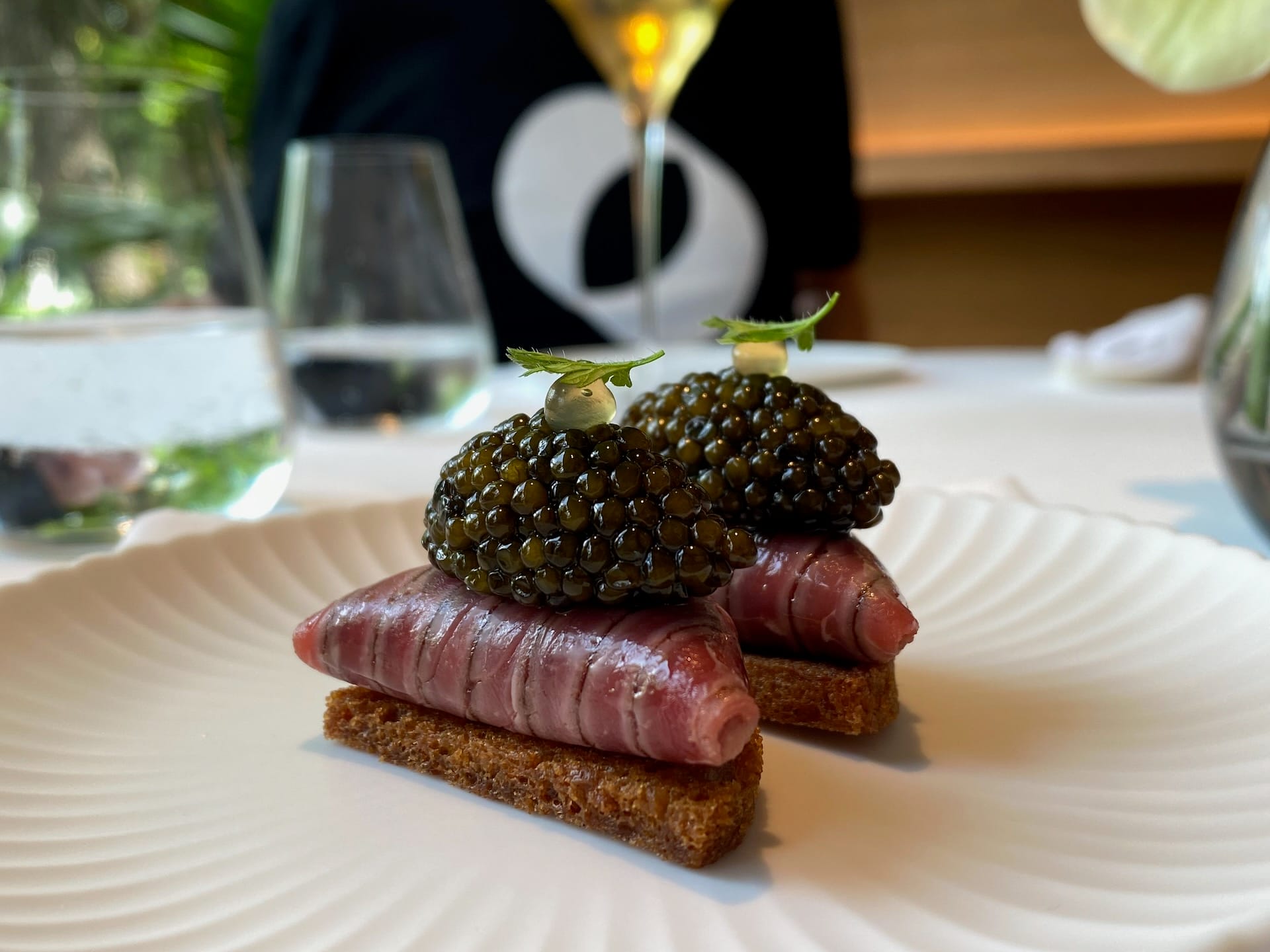
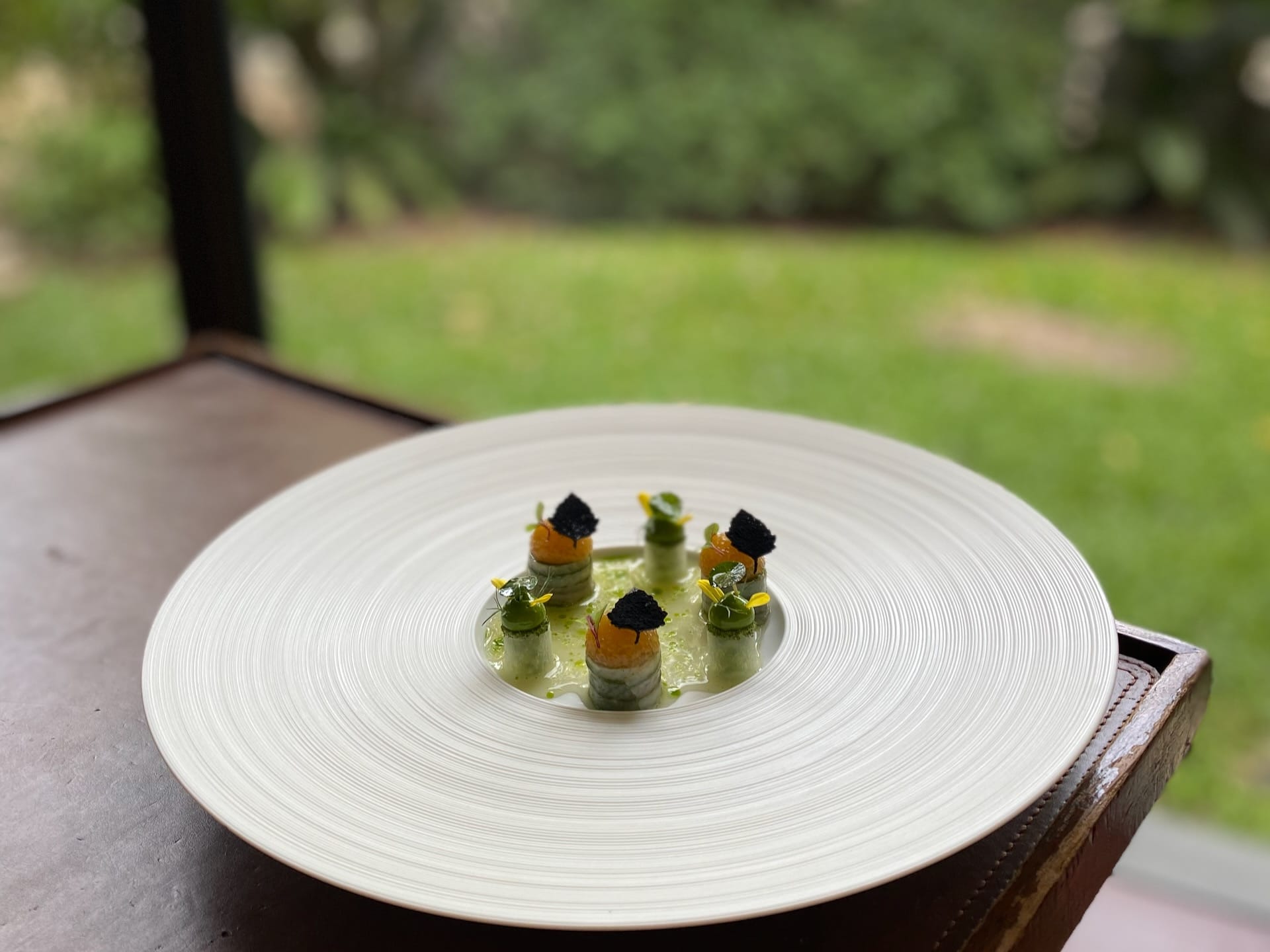
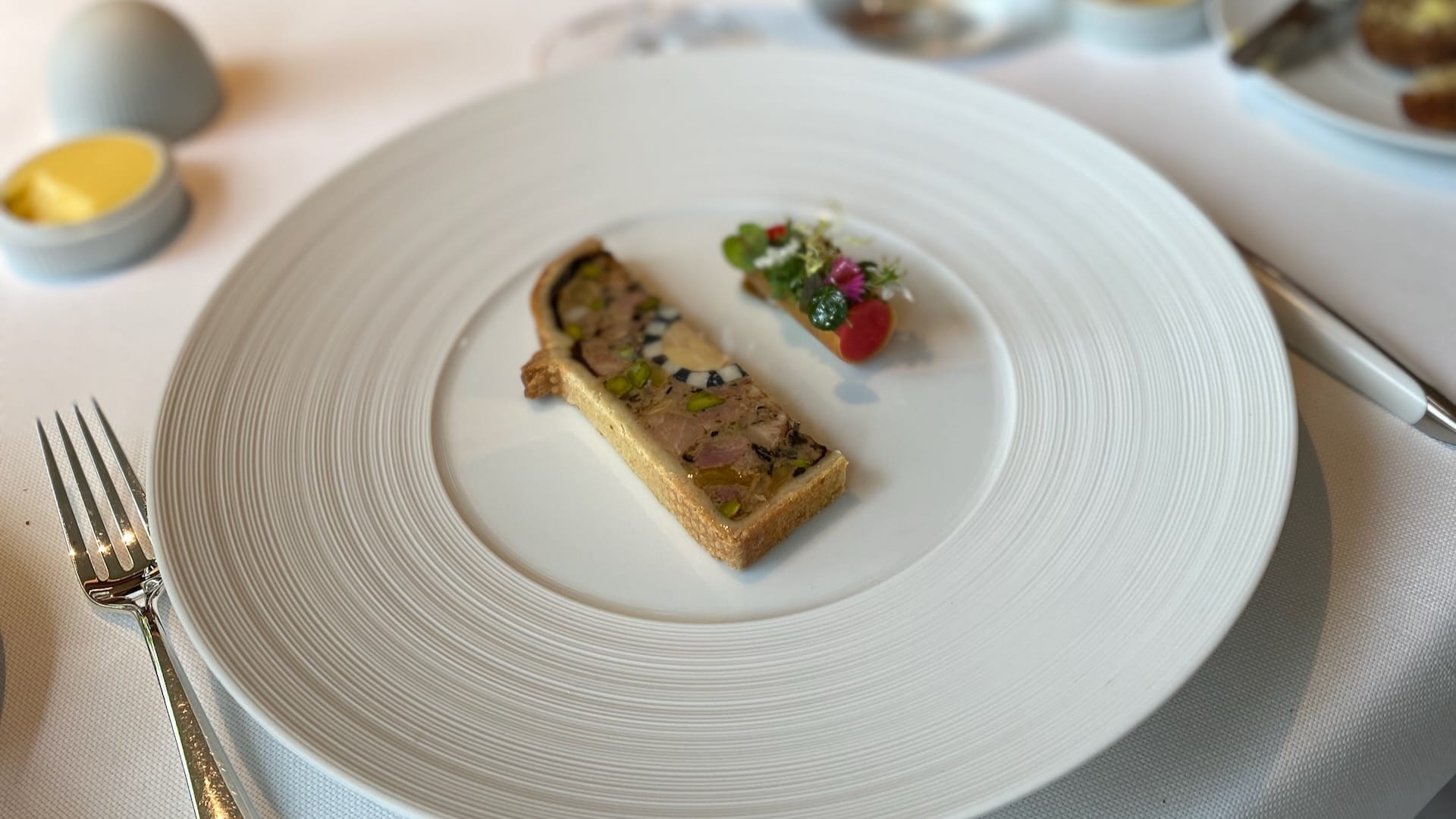
A selection of dishes at Suhring in Bangkok
Nothing was ever said to us about expectations from the organisers, commissioned by Gaggan Anand and his fellow Bangkok restaurateurs, but the idea was obvious. We’ll treat you to a good time at our restaurants, you will vote for us in the 50 Best.
I really enjoyed Suhring, and also had good meals at Le Du and Potong. Only the former, in my opinion, deserves to be in a conversation about the world’s best restaurants. Gaggan, meanwhile, was appalling, and the fact it sits at No.2 on the list now is testament to the fact that money talks, gaming the system works, people are suckers for swagger, and many have no idea what a good restaurant is.
(Have a read of this Instagram post by a former Noma employee, too, to understand just how far off the vibes are at Gaggan.)
These aren’t the only restaurants, I’m sure, that are working hard behind the scenes to attract potential voters and shower them with largesse. Get bums on seats. Give people a good time. Woo them. Make them feel special. This is how you garner votes.
There are rare exceptions, such as this year’s winner, Asador Etxebarri, which is incredibly hard to book, does no favours, and whose owner and chef, Bittor Arguinzoniz, tends to avoid the spotlight. But for the most part you can bet that the restaurants that made the list are doing the promotional work in the background.
Japanese restaurants don’t. They don’t do freebies, they don’t do promotions. They don’t court the international spotlight. It’s not part of Japanese culture, and in particular it’s not part of “omotenashi”, the philosophy of selfless hospitality that underpins so much of the Japanese restaurant scene.
Judges for the 50 Best list really are anonymous, and for the most part I do think the system is a decent one. But it can be gamed by those who want to do it.
Just a quick one team! I’ve recently joined up with Holafly, which specialises in travel eSIMs for destinations around the world, as an affiliate partner. If you’re looking for an eSIM on your next trip, purchase through the link below and use the code BENGRO for a 5 per cent discount (I will also receive a commission on each purchase).
THE JAPANESE RESTAURANT I WOULD INCLUDE
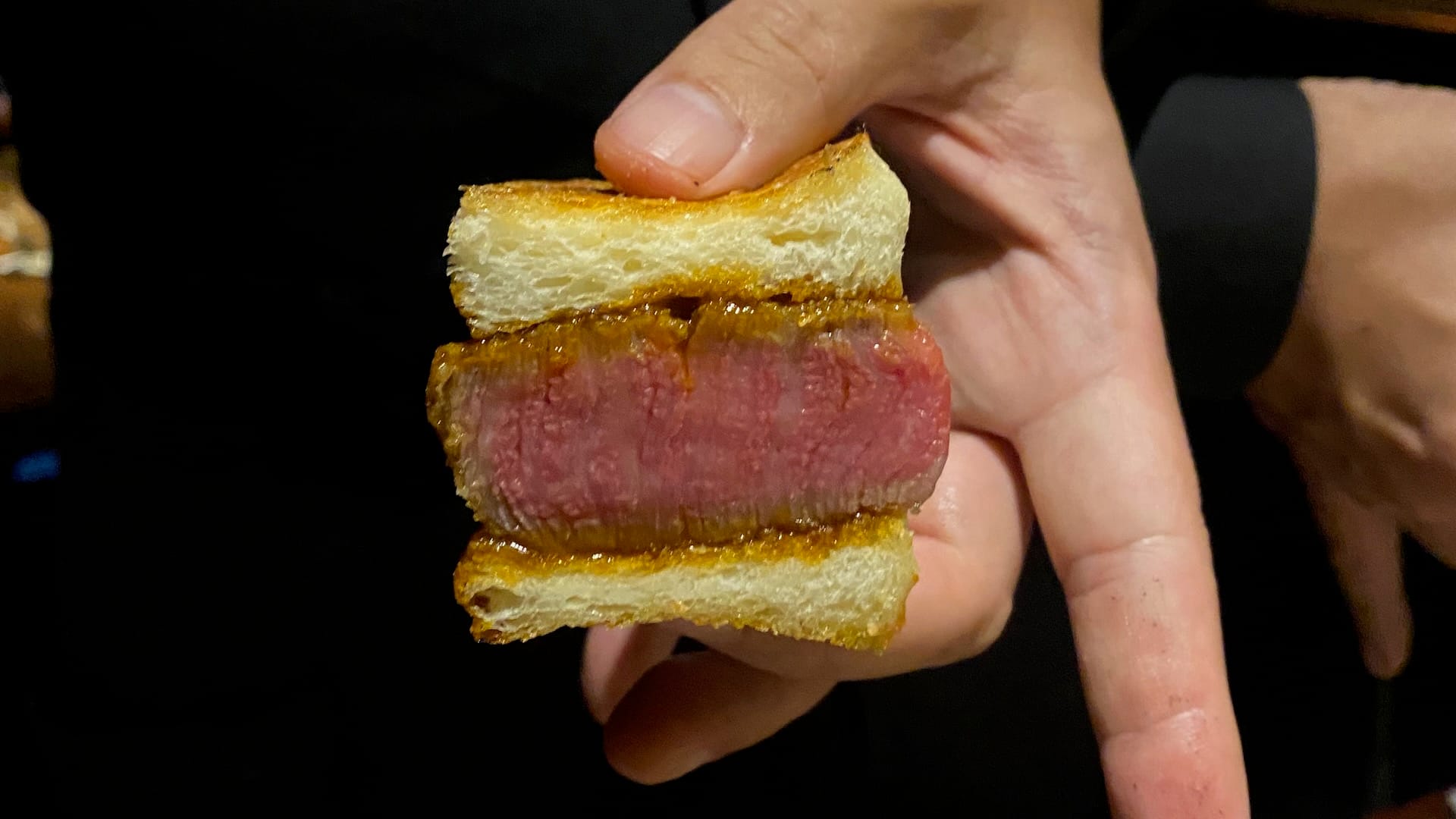
The other problem Japan has is the sheer scale of restaurants that exist in the likes of Tokyo and Kyoto. If you’re a 50 Best judge travelling to Sydney you’re going to eat at Saint Peter. In Melbourne it will be Yiaga. But if you’re in Tokyo, where do you even start? Even I have trouble with this, and I’ve visited the city maybe 25 times now. One of the most memorable meals I’ve had in Tokyo in recent times was at Ebisu Yoroniku, a pioneer of omakase-style grilled beef. A multi-course meal here is like a symphony that builds to a crescendo, as the chefs present course after course of different cuts of wagyu cooked at varying temperatures and served in varying ways, until the ultimate chateaubriand sandwich. This restaurant, to me at least, is to beef what Elkano is to fish – but you will never see it in the 50 Best. That does, however, mean you will be able to book a place to eat there.
THINGS I’M LOVING THIS WEEK
- The US is back baby! The mid-term elections delivered a stonking win for the Democrats, aka the good guys, which poses the question: is it safe to go back now?
- Qantas will start flying direct from Sydney to Cape Town from October next year – welcome news for those of us who love visiting South Africa (me), and who don’t always enjoy going through Johannesburg (me).
THINGS I’M NOT LOVING
- This post on Instagram from Jason Ignacio White, a former employee of Noma in Copenhagen, highlights the ongoing culture of abuse in high-end restaurants, and the blind eye turned by the likes of Michelin and 50 Best.
- Qantas - nominally Australia's national carrier - has announced it is shedding 850 local jobs and outsourcing them either to India or to AI. Yet another case of profits over people.
- A warning for anyone travelling to Kenya or Tanzania: both countries new require tourists to buy a travel insurance policy from within each country. Even if you have already been issued an eVisa for either country, you still won’t be allowed in unless you have proof of a local travel insurance policy. See here for Kenya and here for Tanzania.


Member discussion