The world’s wildest drinking culture
First, let me apologise. This week’s newsletter is later than usual, as I’ve been on a road trip with my family, and it turns out trucking two kids to the snow and back takes up a lot of your time. I thought I was past a point in my life where I have to dress two children before they leave the house, but I absolutely am not. Still, they had a great time and that was the whole point. So this newsletter is a little tardy, but hopefully still entertaining. Today I’m diving into the world of Asturian cider, one of the wildest – and most enjoyable – drinking cultures on the planet. Please enjoy it. And salud!
It’s quite a lot of liquid, 100ml. It’s more than you would usually drink in a single go, even if it wasn’t alcohol. You would have to have a serious thirst to guzzle even that much water in one go.
And yet here you are with 100ml of cider, and you’re expected to drink it. All of it. It’s only lightly fizzy, so you can gulp it – you don’t have to Solo-man the whole thing down the front of your shirt. You can get there. But still: glug, glug, glug. That’s a lot of cider. And then you’re ready for a refill.
Welcome to Asturias, the region in the verdant north of Spain. The tourism slogan here is “Paraiso Natural”, or natural paradise, and it really does feel that way with all the green meadows and apple orchards, the rugged coastline and limestone mountains. What a place.
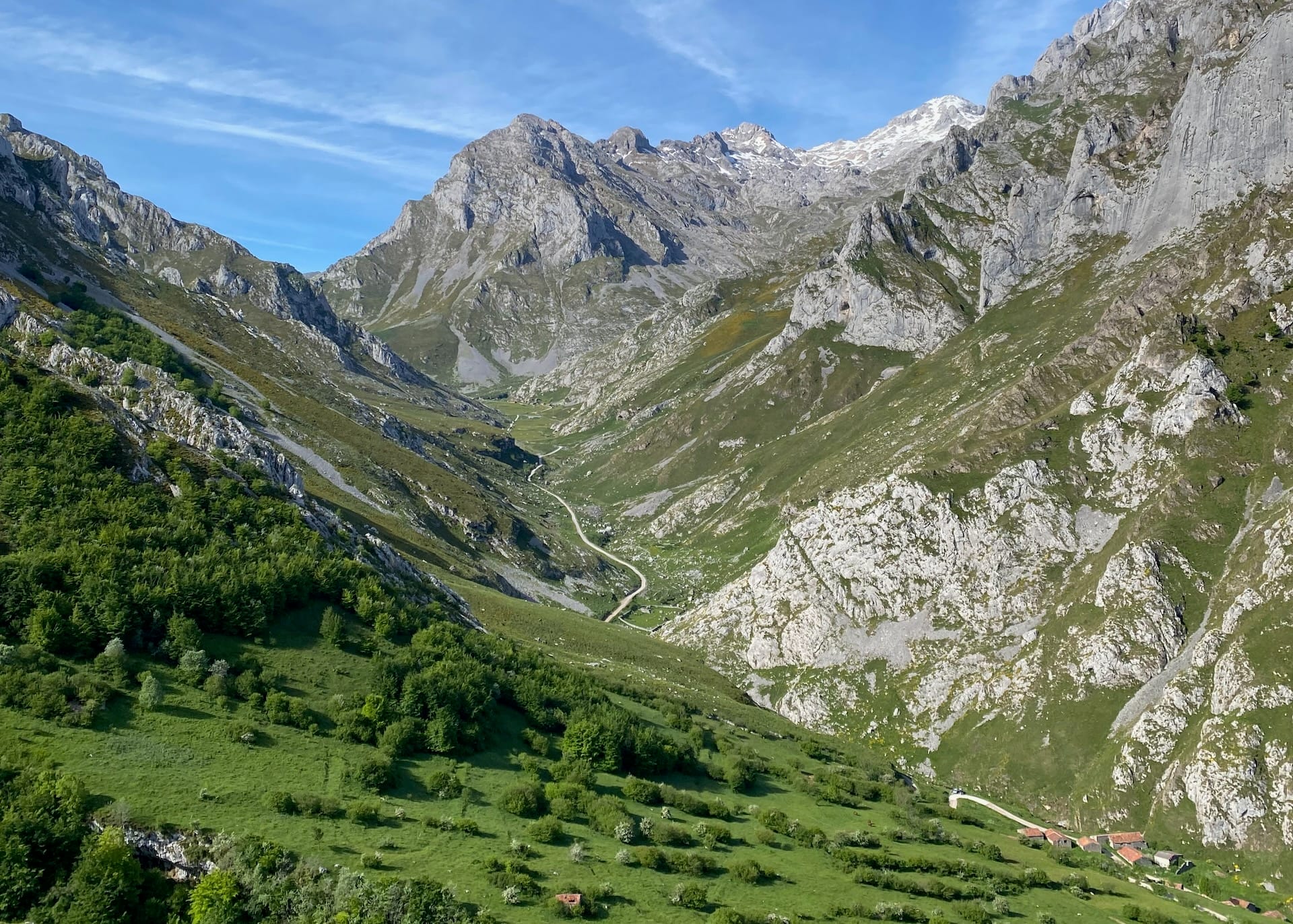
Those meadows and orchards are not just pretty, though. They also provide the key ingredient to one of Asturias’s most cherished products: cider. Asturian cider is cheap and delicious, lightly sparkling and about 5 per cent alcohol, sold in supermarkets for around €3 a bottle, and in pubs and bars for just a little more.
The Food + Travel Edit is a community-funded newsletter, and your support is very much appreciated. Please consider upgrading to a paid subscription, for just $5 a month, or $50 a year.
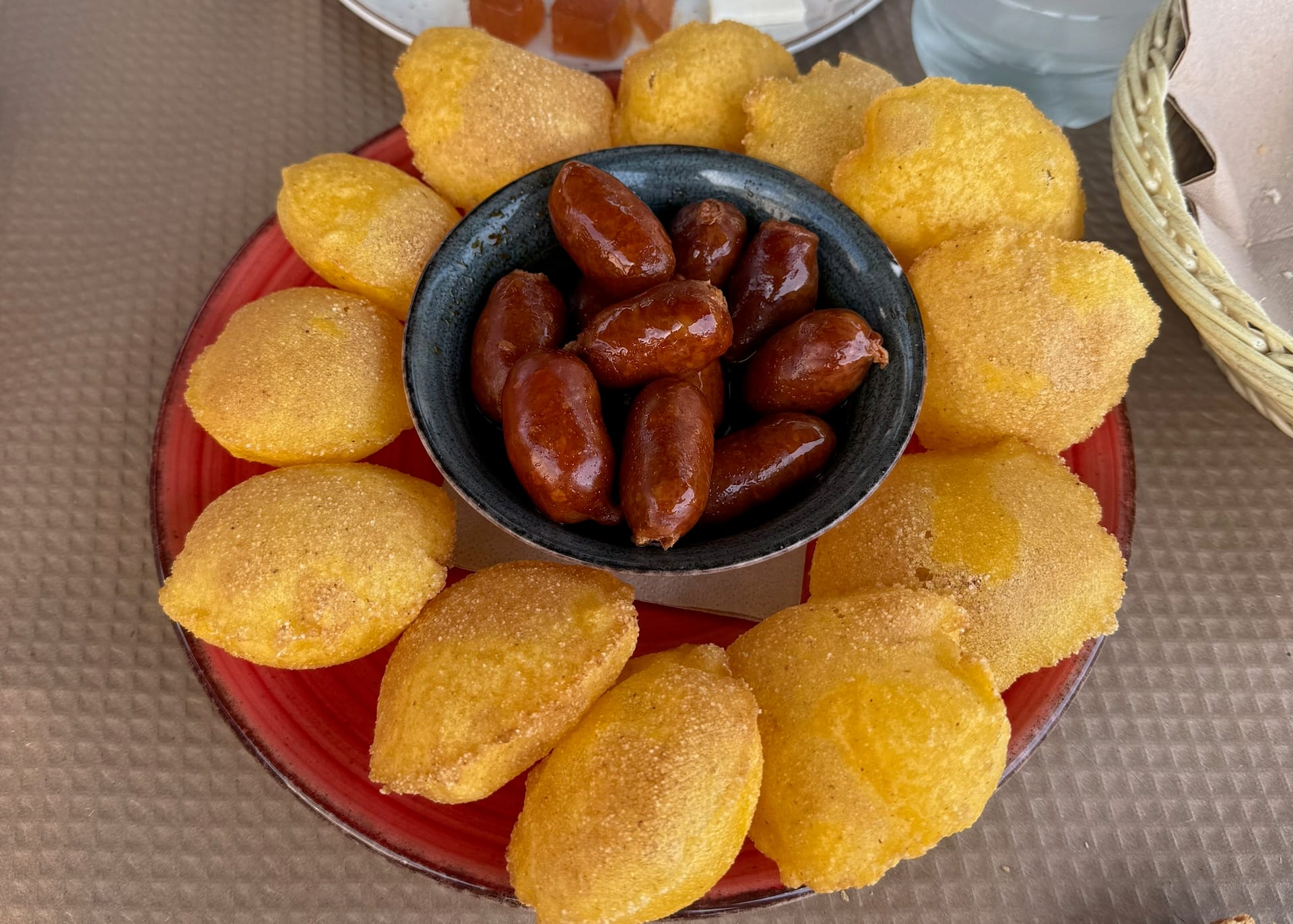
This isn’t so much a drink as a way of life. Visit any town or city in Asturias and you will find numerous sidrerias, cider specialists that provide the drink as well as the traditional dishes that pair with it: fabada, a hearty bean and pork stew, and cachopos, huge veal schnitzels stuffed with jamon and local cheese.
You need the food, otherwise everyone would be slaughtered after an hour or so.
Because it’s not so much the drink in Asturias that’s the problem, but the way you drink it.
You don’t just pour a glass of cider here and then sip it as you would a beer or a glass of wine (or a cider in any other part of the world). Asturian cider needs special treatment to taste its best. It needs to be poured from a great height to allow the cider to hit the glass at maximum velocity, thus “breaking” the molecules and releasing the flavour. It then needs to be drunk before the cider settles to ensure you get the best taste with the most effervescence.
That may sound relatively simple, but in practice it creates what is surely the world’s wildest drinking culture.
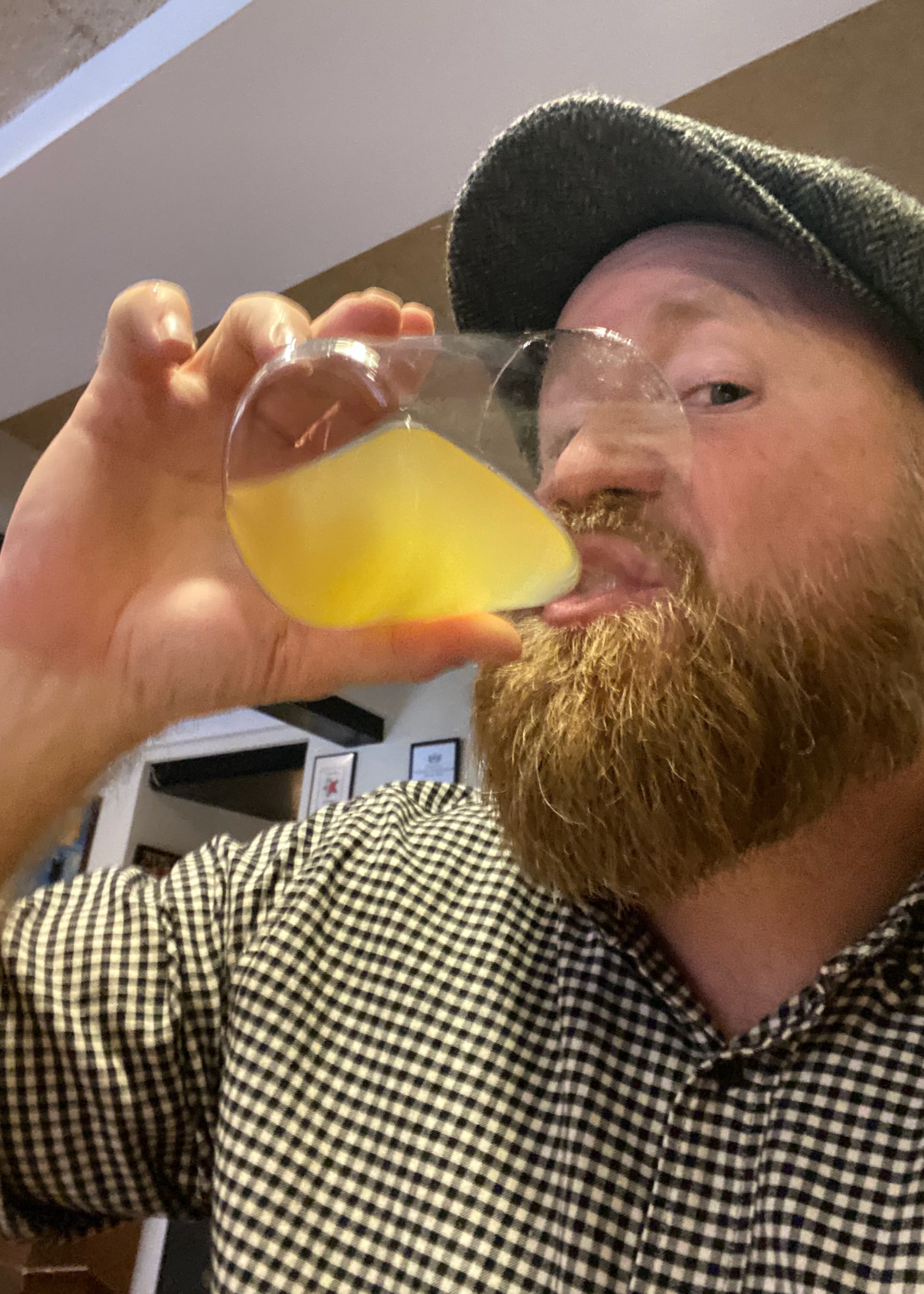
Let me explain. In a proper Asturian sidreria, you don’t pour your own cider. A staff member will pull the cork from the bottle and then ask around to see who wants a drink. Give him or her the nod, and they will grab your glass and then raise the bottle up high, well above their head, and hold the glass at waist height.
They then pour, and catch the cider in the glass. This 100ml serving is called a “culete”, or a little bottom. That little bottom is then passed to the drinker, who is expected to nail the whole lot in one go. Then other people drink, then you can choose to have another one, or wait a little while before you drink 100ml more.
People get drunk in Asturias. That shouldn’t be a shock. Some pubs even refuse to serve cider because it results in two things: boozy, rowdy customers, and a whole lot of cider on the floor.
For the most part though, this is a cherished and very enjoyable drinking culture, even if you haven’t smashed that much alcoholic liquid in one go since your uni days.
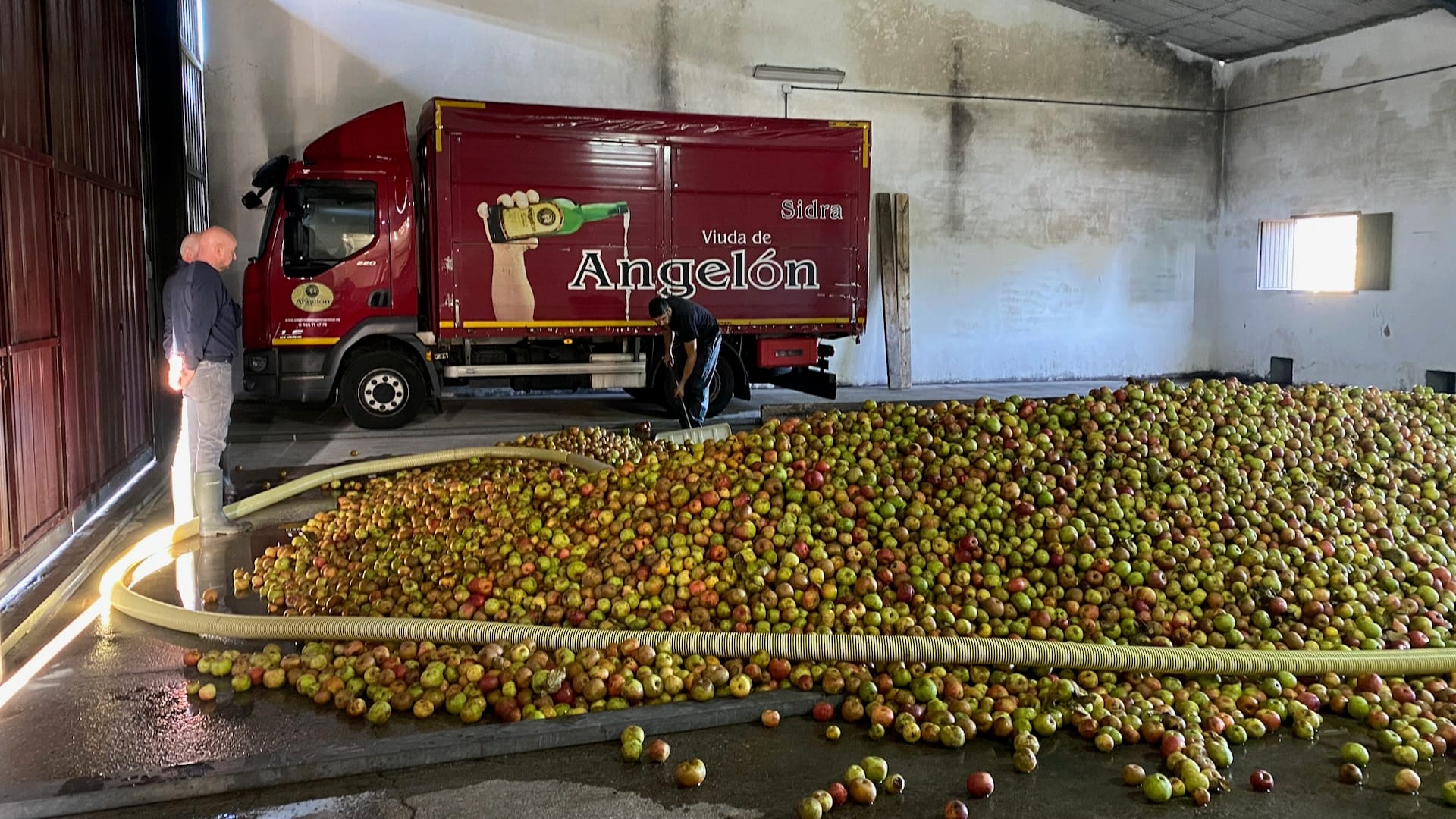
Asturians take this cider culture very seriously, to the point where there are annual regional championships to decide who is Asturia’s best cider pourer.
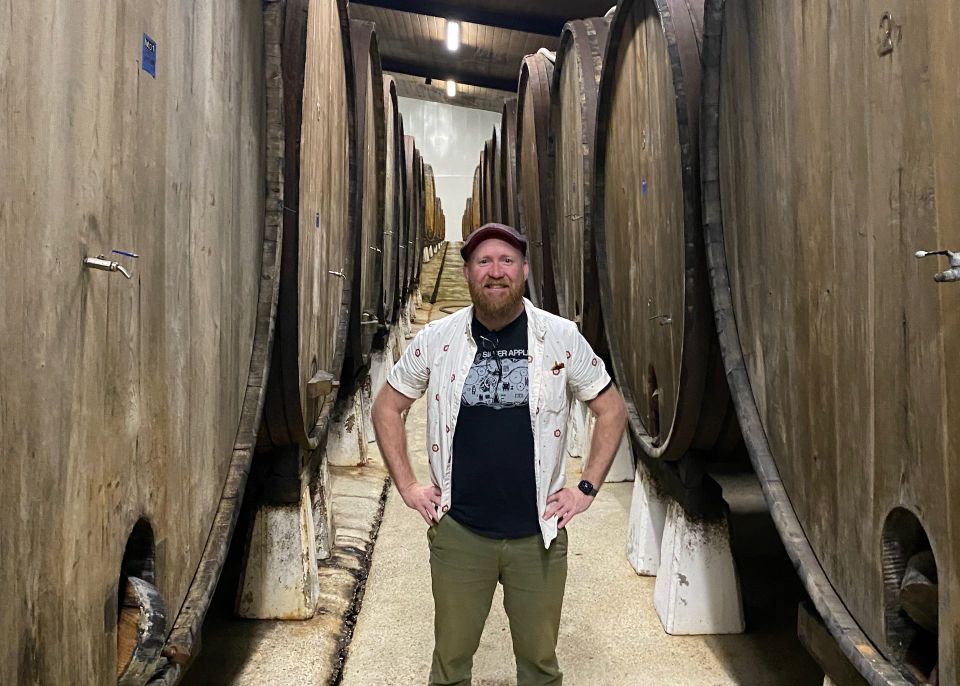
A few years ago I was lucky enough to meet the then Asturian champion “escanciador”, or cider pourer, at a sidreria in Gijon. We talked about what it takes to be a winner, what goes into being considered the best.
Here’s how you pour cider like a champion in Asturias. Judges are looking for several elements, some of them artistic, some just basic maths.
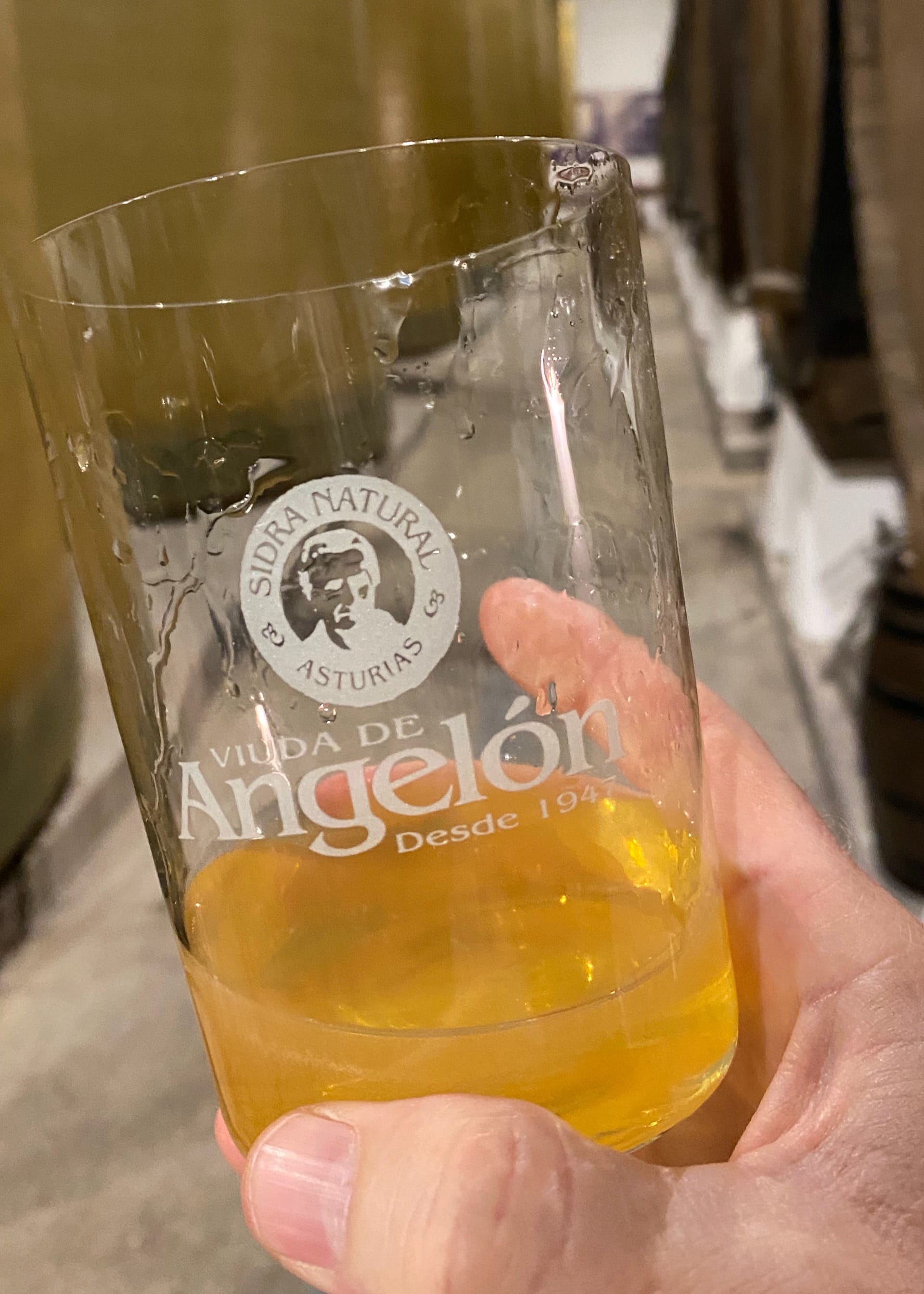
Contestants are judged on how straight their arm is above their head, or essentially how high the cider is being poured from. They’re judged on the steadiness of the stream of cider, the way it pours out in an unbroken golden arc rather than sloshing in bit by bit. They’re also judged by the way they hold the glass, tight to their waist and tilted so that the cider hits the wall of the glass, giving it maximum breakage.
But then the really tricky part: they have to pour 100ml. Competitors are given a bottle of cider – which are each 700ml – and they pour six culetes, or 100ml servings. They then tip what remains in the bottle into a measuring tube, and the idea is that they will have as close to 100ml as possible left.
The winning escanciador has the best style, but also the closest to 100ml left in his or her bottle.
And all this, just to drink some cider?
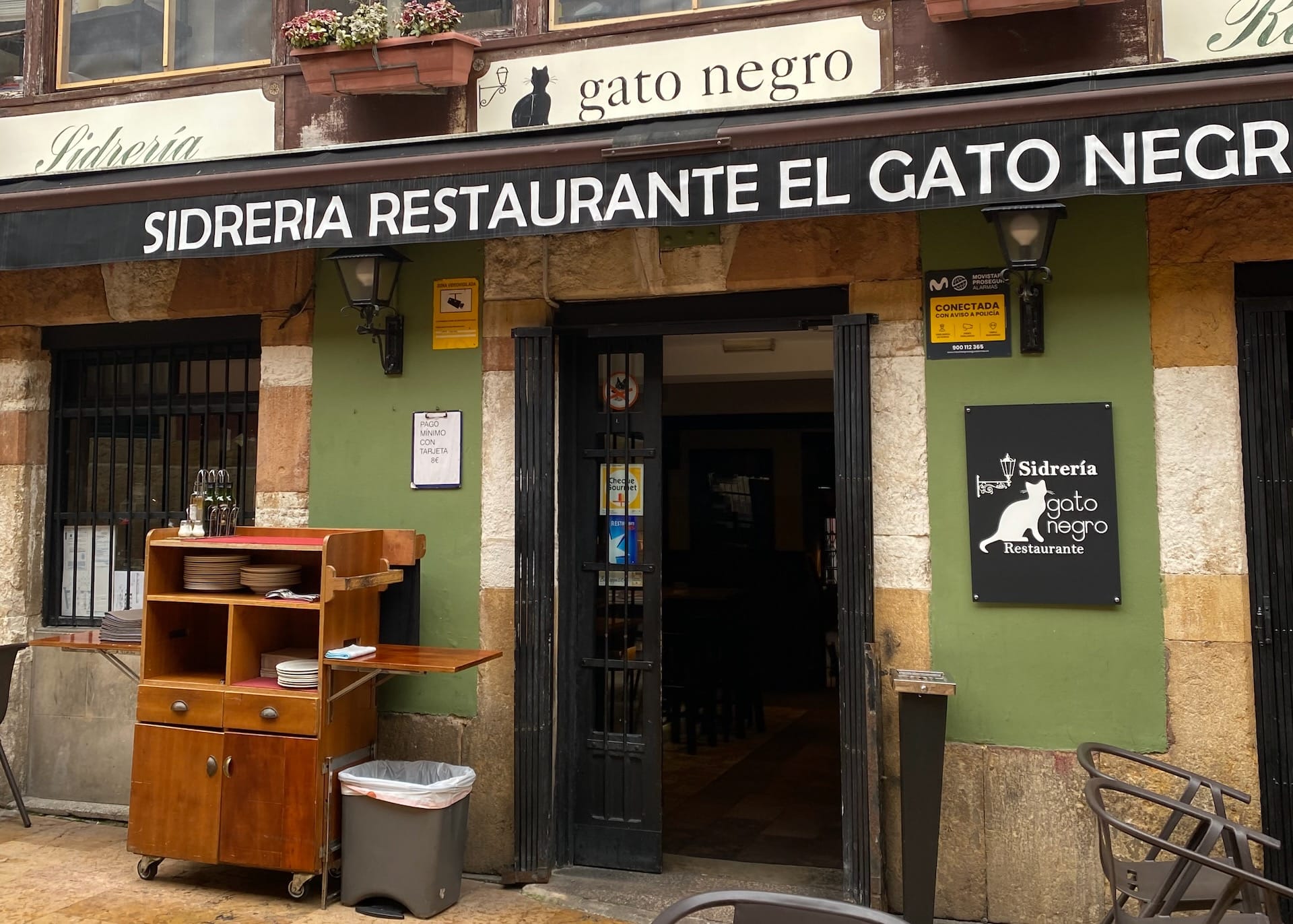
But I’m here for it. Sitting in an Asturian sidreria, watching as the waiter grabs your glass and performs the ceremony, the bottle raised high, the cider splashing all over the place, then taking your drink? It’s the best. Feasting on stews and deep-fried meats, on chorizos cooked in cider, on Queso de Cabrales cheese, surrounded by friendly people all in the mood for celebration – there are few things in this world better.
This is also one of those rituals, one of those cultural rites that just can’t be transported. You could never do this outside of Spain, it wouldn’t work. You need all these cultural factors to align, the people, the cheap drinks, the love for tradition and just getting a little boozy with your family and friends.
Everyone should go there and do it. Just, get ready to drink a lot. At once.
RANT OF THE WEEK
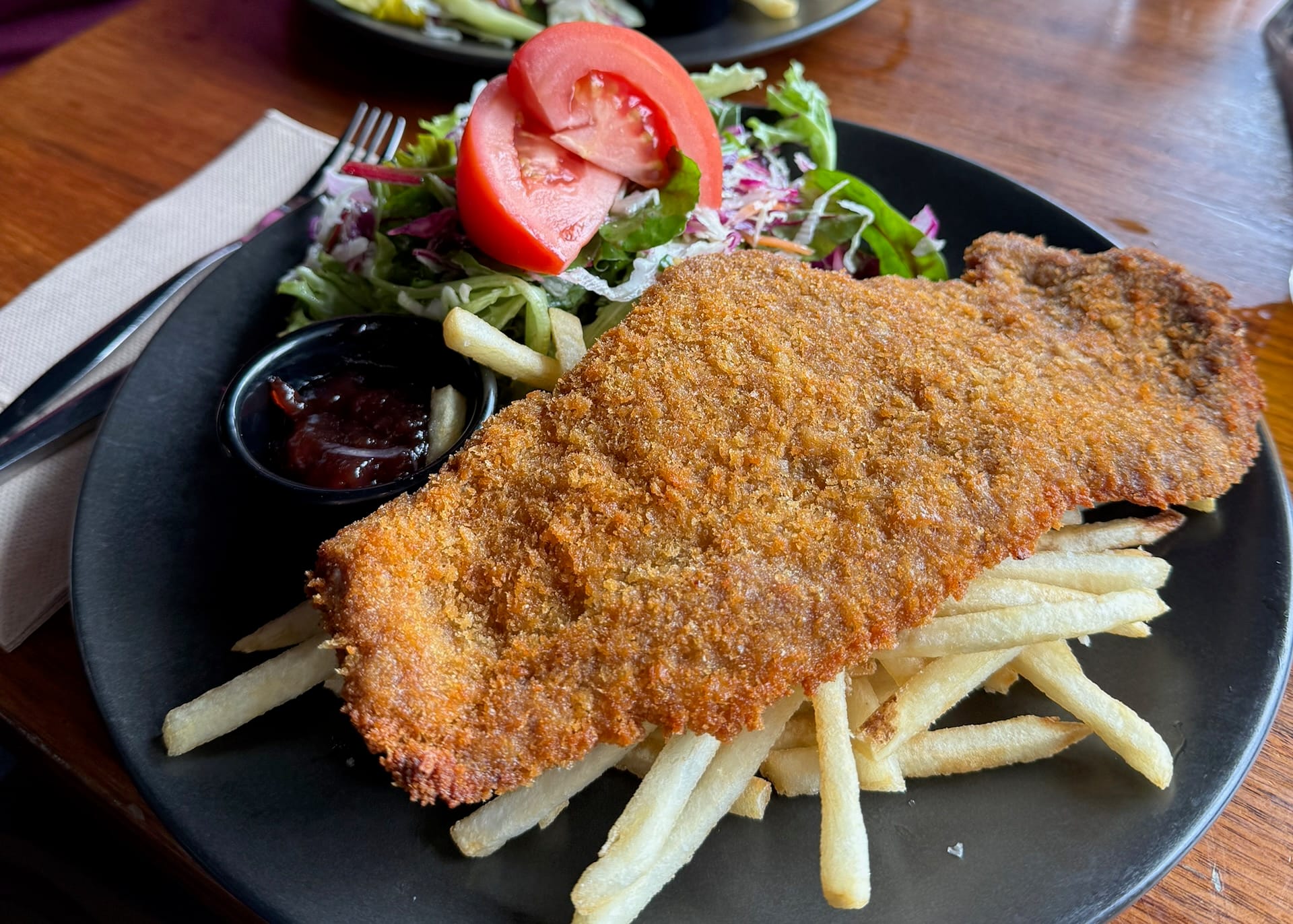
I’m going to write some more about this soon, but for now all I’ll say is: why, oh why, does every pub in Australia have exactly the same menu? I could walk into pretty much any pub in the country right now and place an order without even looking at a menu and I can pretty much guarantee no one would blink an eye. T-bone steak with peppercorn sauce, chips and salad? Done. Chicken parm? Easy. Some salt and pepper squid from the starters menu, plus a kids’ fish and chips? Thanks for coming. This standard menu is fine if you’re just calling into a country pub for one night, but when you’re on the road for several weeks or more, you begin to realise how monotonous and uninteresting our food culture can seem once you get outside the metropolitan areas.
THINGS I’M LOVING THIS WEEK
- There’s snow in Australia! Granted it’s been a rough season with high temperatures and low snowfall, but I’ve just been with my kids in Falls Creek and Mt Hotham and they had the time of their lives.
- Egypt has introduced a new digital visa-on-arrival system, which will hopefully smooth the way for more tourists to visit, even though the region remains in turmoil. The new visa will cost USD36.
- The newest Global Passport Ranking puts Australia’s passport at No.7 in the world, with access to 183 destinations visa-free. That’s an incredible privilege.
THINGS I’M NOT LOVING
- The current trend of world-renowned – and very expensive – restaurants from overseas doing stints in Australia (SingleThread is the latest) feels like a blatant cash grab. A truly great dining experience will say something about place, and that’s impossible when you’ve trucked everyone in from another country for a few weeks.
- The continued mining of the late Anthony Bourdain’s life for content feels very cynical to me. Opinion pieces like these abound, plus there’s a movie loosely based on Bourdain’s life coming out next month. I feel like Bourdain himself would not have enjoyed this at all.



Member discussion