You’re allowed to put cream in your carbonara
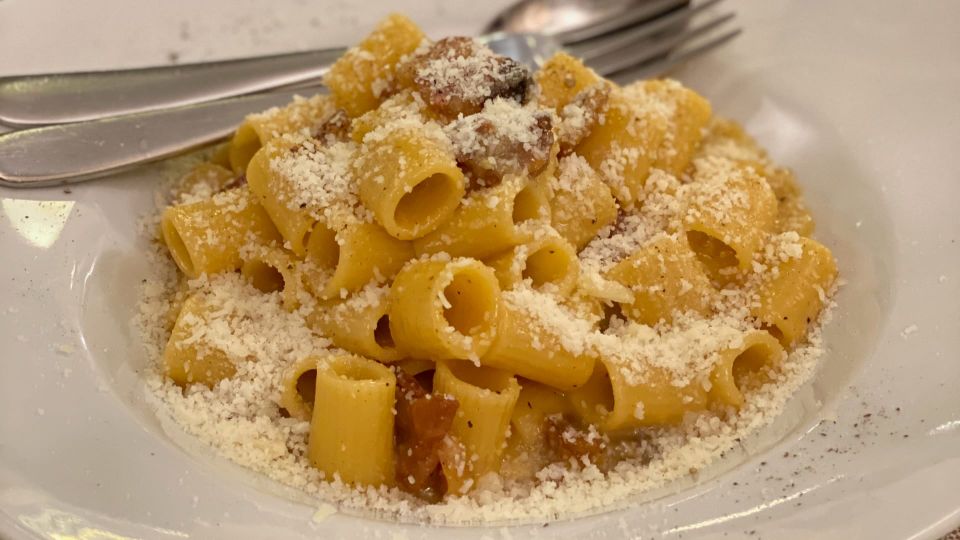
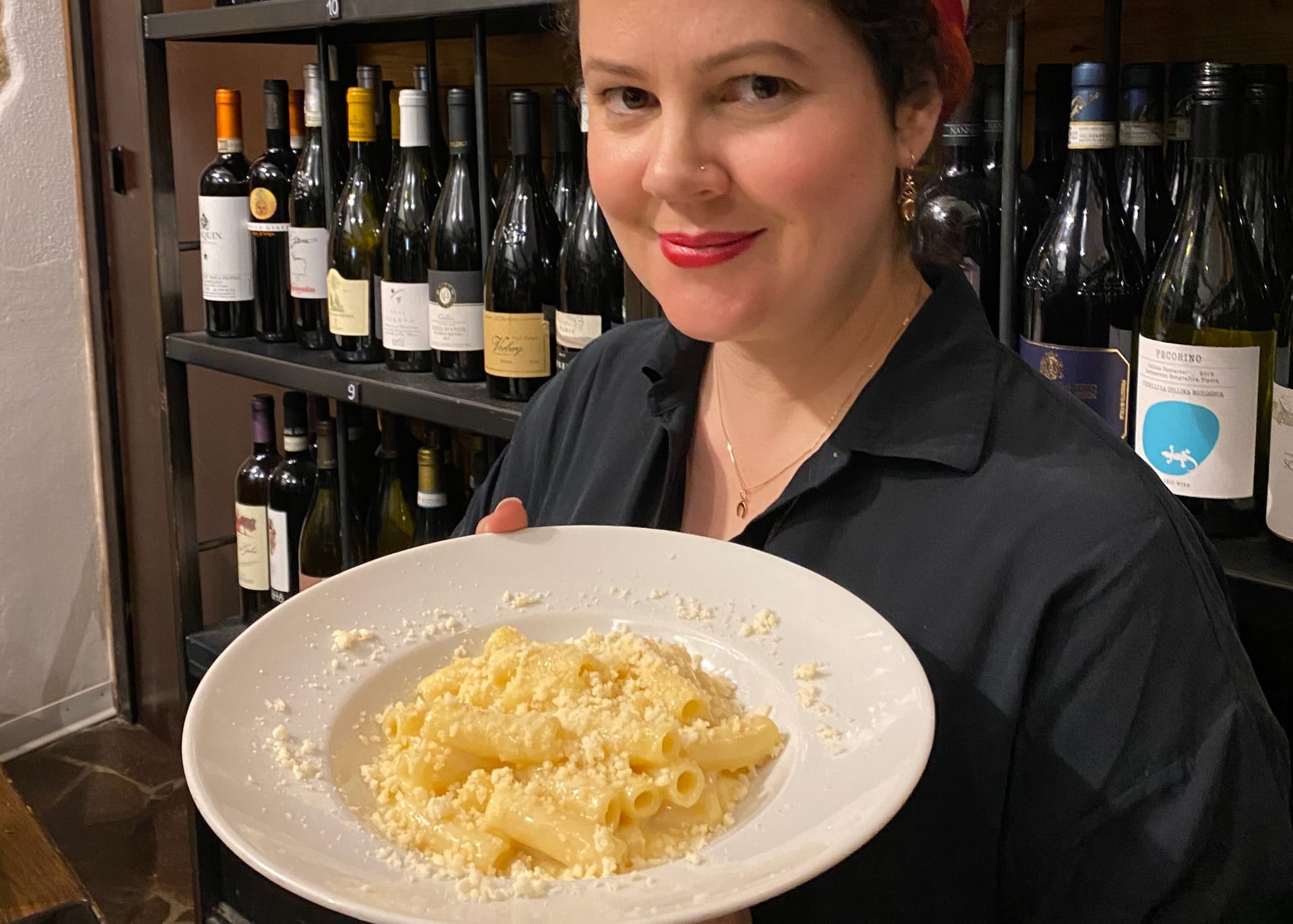
If you’ve followed my writing and social media for a while now, you would probably know that I love carbonara. It’s one of my all-time favourites. It’s also a recipe that my partner Jess and I have been tinkering with and perfecting ever since we’ve known each other, trying to find the right balance and technique for this sauce that only contains four ingredients: eggs, cheese, guanciale and pepper. So you will understand how difficult it is for me to admit that yes, if you want to put cream in your carbonara and still call in carbonara, that’s totally fine. Read on to find out why. Also this week, I’m talking salmon, plus Jetstar’s new carry-on luggage fees, and wondering: is Western Sydney International Airport going to be a massive turkey?
Just the title here will be horrifying to some people: you’re allowed to put cream in your carbonara. Those people are mostly called Italians, but they might also be people who just take their food and the idea of authenticity very seriously.
But, come on, you’re allowed to use cream if you like it. You’re allowed to put peas in your carbonara too, if it’s the only way to get your kids to eat green veg, or you just enjoy the taste. You can put mushrooms in. You can add a splash of white wine.
You can do, essentially, whatever you want in the comfort of your own home, and call it whatever you want.
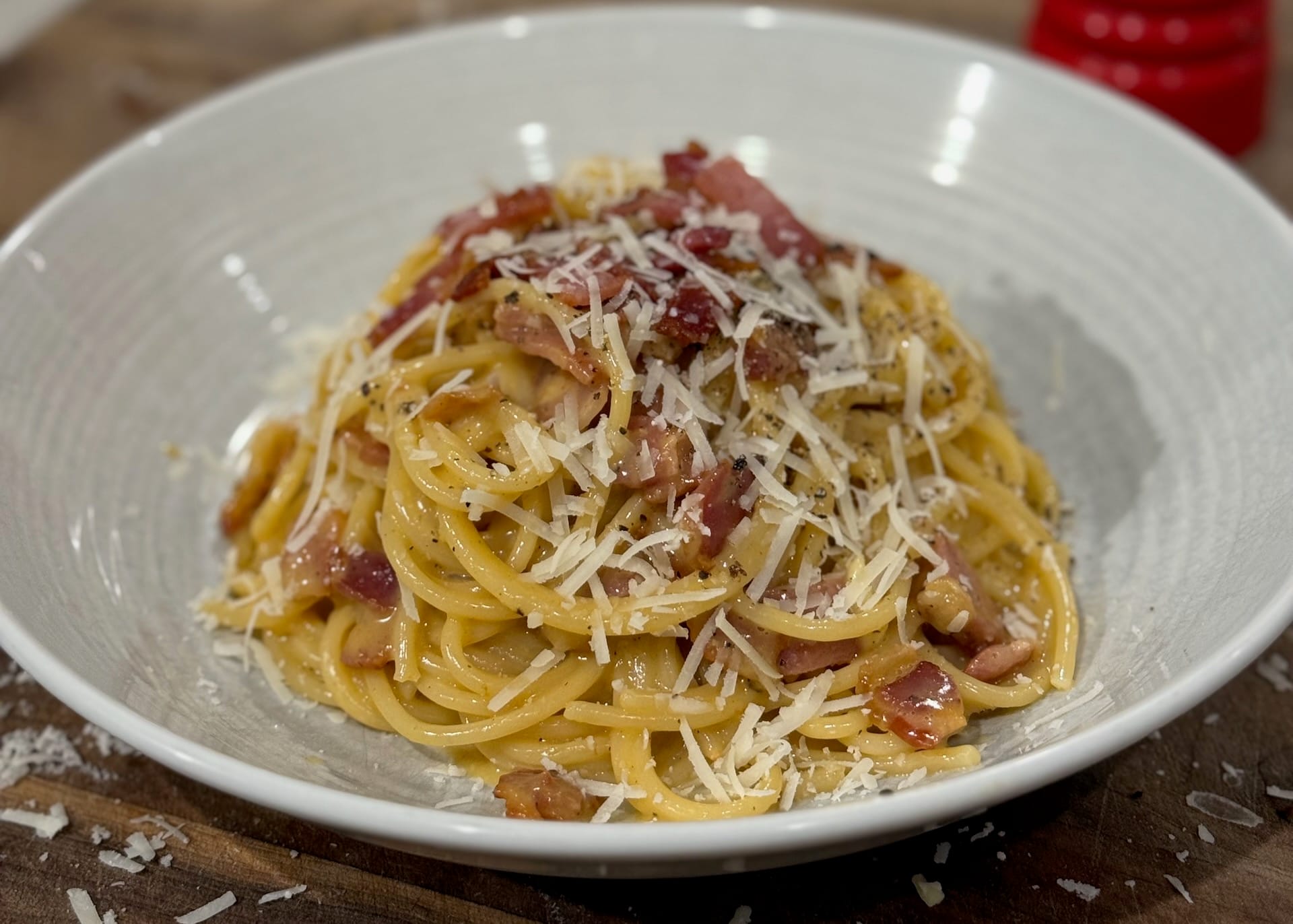
There’s an ongoing debate about carbonara specifically, but also about authenticity in general when it comes to food, and who owns certain recipes. Are you, a foreign chump, allowed to mess with centuries-old tradition? Is it inherently wrong to put chorizo in paella, or Spam in fried rice, or make an Indian-style curry with basically no spice at all?
Are you insulting a nation and disrespecting a culture, or are you just riffing on a recipe and creating something that tastes good to you?
The Food + Travel Edit is a community-funded newsletter, and your support is very much appreciated. Please consider upgrading to a paid subscription, for just $5 a month, or $50 a year.
I have to admit, I come to this as a person with no great culinary culture or history of my own. I grew up in central Queensland with Anglo parents. I essentially have no traditional recipes that belong to me, I can’t possibly be upset by the idea of foreigners taking any dish I have grown up with and messing with it.
You can do whatever you want with roast beef and potatoes, I really don’t care.
So I don’t have a personal understanding of the visceral reaction some people have to seeing their recipes altered by those from outside their culture. I’m also a white guy from the Global North, so I have no experience with the idea of more privileged people swooping in and co-opting my culture and making a whole heap of money out of it and becoming famous as a culinary genius.
You may remember a few years ago the controversy surrounding the American cookbook author Alison Roman and her viral recipe for “The Stew”. This was a chickpea-based dish with turmeric, onion, ginger, garlic and coconut milk, served with yoghurt, and it earned Roman – who I really like and respect, by the way – a good deal of international fame.
It was also pointed out, however, that The Stew bears plenty of similarity to standard South Asian curries.
Roman had taken the centuries-old ideas of people of colour, and made them presentable for rich white Americans.
In all likelihood she meant no harm with this and was simply riffing on established ideas as all cooks do, but people were still upset. The Stew became A Thing.
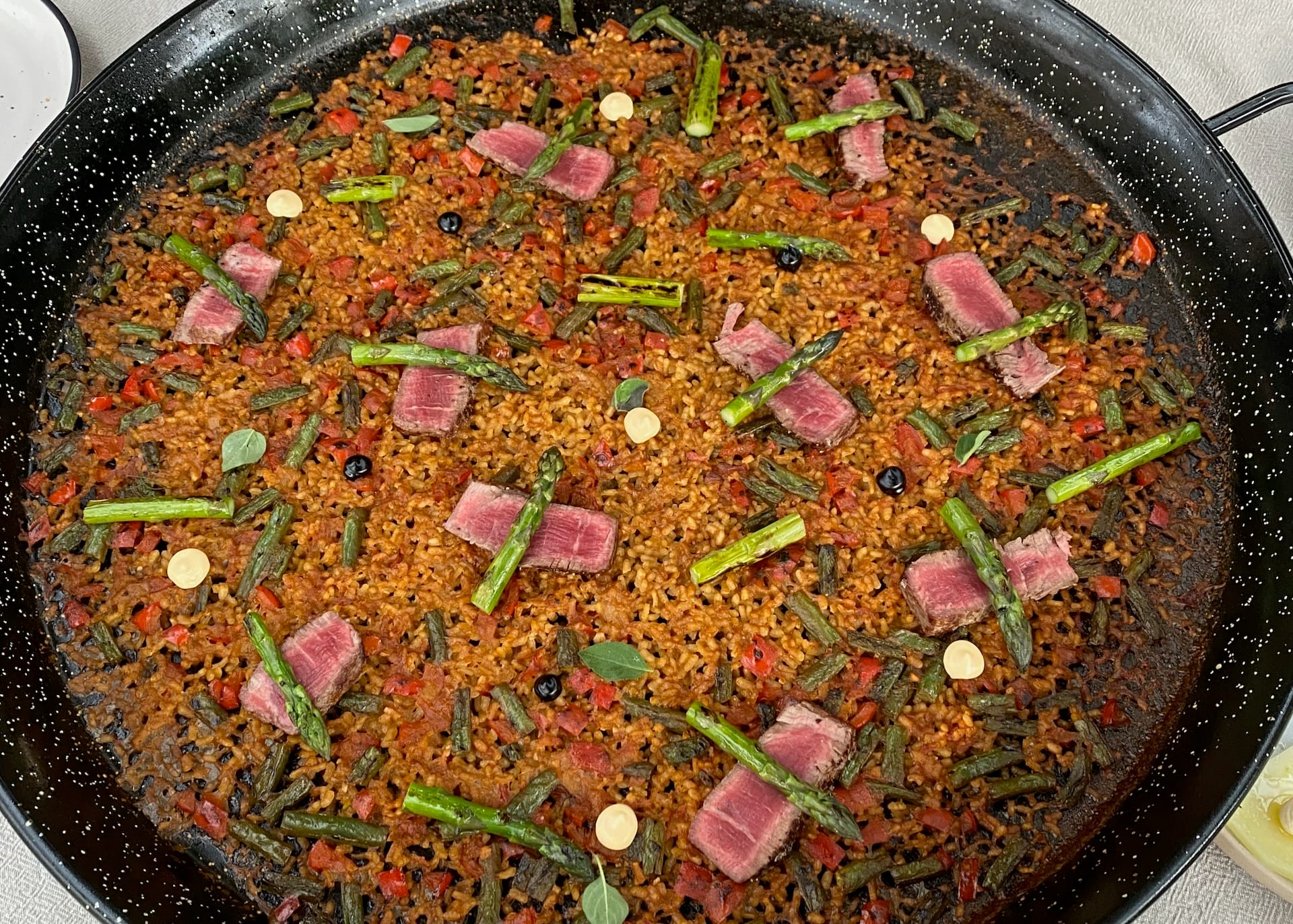
It doesn’t end there. As someone who has spent a lot of time in Spain, and who frequently promotes travel to that nation, I have a relationship here in Australia with the Trade Commission of Spain, and have attended a few events of theirs promoting Spanish products and encouraging Australians to cook Spanish dishes.
It’s been interesting to me to see people at these events championing the idea of Australians cooking Spanish food in a way that is culturally respectful and “authentic”, that ensures recipes remain unadulterated, unchanged for the foreign palate.
But what is authentic, anyway? Where do we draw the line of history and determine what is right and what is wrong?
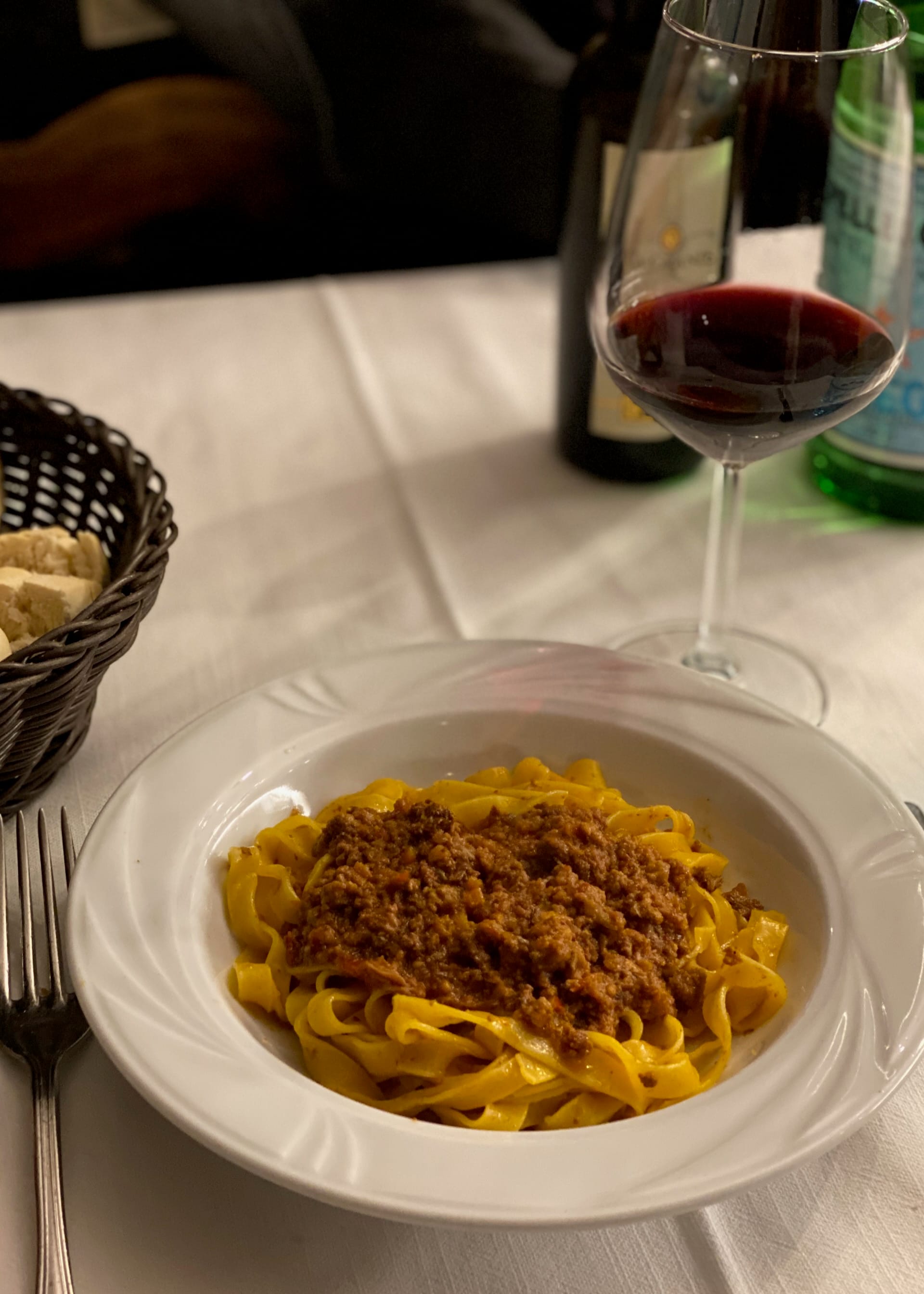
The original recipe for ragu alla Bolognese, published in 1891, contains no tomatoes. Even now, there are some in the recipe’s home city who say the addition of milk makes Bolognese authentic, and some who say it has no place in this ragu. So how the hell are you supposed to make a “real” Bolognese?
Tomatoes, of course, aren’t native to Italy. They were introduced in the 1500s, after the discovery of the Americas. So in a sense, any Italian recipe containing tomatoes is not “authentic”, but the product of foreign ideas.
Spain didn’t have potatoes until 1570, so the horror that some people have about putting, say, capsicum in a tortilla de patatas can be put into context by the fact that one of the key ingredients to this dish – potatoes – is not even Spanish, and didn’t exist in that area for most of its history.
Paella evolved in Valencia from farmers using the ingredients they had at hand in the fields to cook with: rice, beans, snails, game animals like rabbits.
They weren’t using snails because of their complimentary flavour profile, they were using them because they’re a source of protein and they’re slow. If those farmers had been carrying cured sausages like chorizo, you can bet they would have thrown them in the paella, because it would have made sense, and it tastes good. They might have even used chilli if those plants happened to be growing nearby.
So is it truly a crime for cooks to do that now?
I think there are a few ways to look at this, which will hopefully be respectful and practical and keep everyone happy.
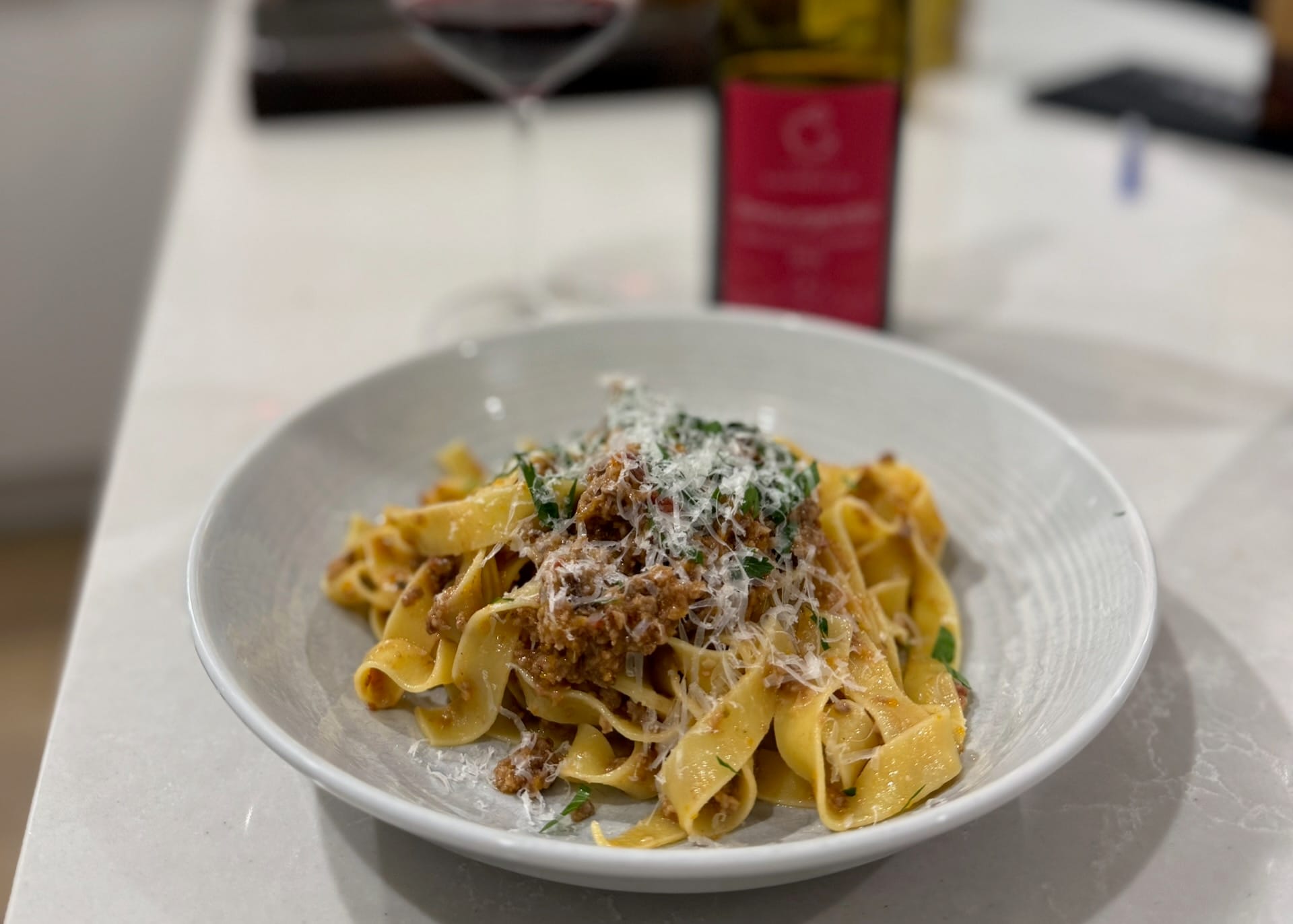
If you’re cooking at home, do whatever you want. There’s really no need for authenticity in a home environment. The idea here is to make food that tastes good to you, and if that means dumping peas and mushrooms into a carbonara-like sauce, or frying off some sausage to go in a rice dish that somewhat resembles a Spanish paella, go for it.
Recipes change over time. Home cooks tinker with the classics even in their country of origin. I guarantee you could ask 10 different nonne in Bologna for their ragu recipes and you would receive 10 different answers (although actually, you would probably just get the one answer: “No”).
You shouldn’t feel bound by a set of strict cultural rules in your own kitchen when the idea is just to make something nice to eat.
When food becomes a business, however, things are a little different. There is such a thing as cultural appropriation. I can understand it would be upsetting to see a bunch of white guys who went on a ski trip to Japan now making “elevated” ramen, or some blokes who whipped around Spain for a few weeks doing “our take” on tapas.
Sorry fellas, but you don’t have the talent to improve in a couple of weeks on recipes that have been refined and perfected over many hundreds of years.
Colonisation of cuisine is real when it’s done on a commercial scale.
If Alison Roman had only been making The Stew at home no one would have cared. But when it’s presented to the world as an original idea to be sold and profited from, it’s an issue.
Even then, there are grey areas. Chinese migrants to countries such as Australia, though also the US and Ireland and many others, have dramatically altered the traditional recipes of their homeland for local tastes (I challenge you to go to Shanghai and order a spice bag). Italian migrants have done the same (try going to Rome and asking for fettucine Alfredo).
Change is natural, and inevitable. But the people making those changes, and profiting from tinkering with the ideas of another culture – particularly one more disadvantaged than their own – and calling the result theirs, does need to be considered. And the answer won’t always be obvious.
This is a tricky thing to consider.
Though, there is something you should know about carbonara. There’s plenty of evidence that the good citizens of Rome, during the 20th century, would often use cream for this dish, sometimes huge amounts. It was a standard ingredient up until the 1990s.
The Silver Spoon, a recognised classic of Italian cookery published in 1950, lists a carbonara recipe with a heap of cream.
So if that’s your preference, you can just say you’re a fan of the more classic style.
WHAT WE’VE BEEN EATING THIS WEEK
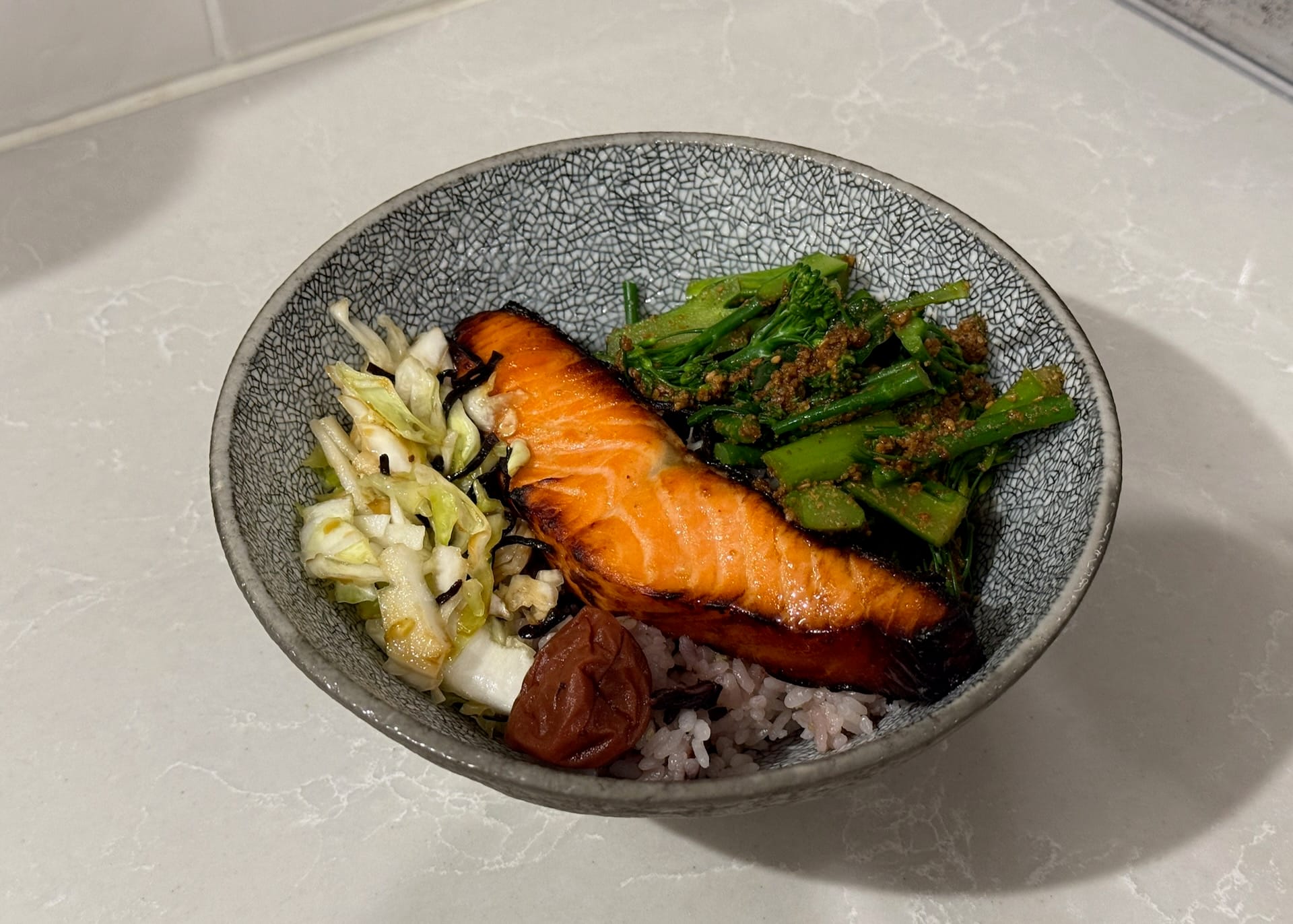
Here’s a classic example of taking the ideas of another culture and applying them to a home-cooking setting, even if the result may not be “classic”. Jess has seared a fillet of NZ King Ora salmon, then paired it with broccolini with goma dressing, chopped cabbage with sesame oil and shio kombu (an umami bomb of seaweed prepared with soy sauce and salt), umeboshi (Japanese pickled plum), and Japanese rice with “zakkokumai”, a mixed-grain combination that cooks with the rice. The result is not something you would find on a restaurant menu in Japan, but I am confident it’s the sort of thing home cooks in that country would be turning out, respectful of tradition and classic flavour profiles, healthy, clean and delicious.
WHAT I’M LOVING THIS WEEK
- Rumours abound that Fiji Airways will soon announce direct flights from Nadi to Western Sydney International, commencing in June next year. This will be a welcome addition for WSI, which still has only two international routes – Air NZ to Auckland, and Singapore Airlines to Singapore – confirmed.
- The Vietnamese budget carrier VietJet has a flash sale going on right now, ending on Saturday, with flights from just $1. The airline flies to Japan, Korea and more, plus of course its attractive homeland. Virgin Australia also has a sale, ending Friday night.
- Canberra has just been voted the worst city in Asia-Pacific to have a “workcation” (where you combine remote work with travel). Clearly, these people don’t like wine, or museums.
WHAT I’M NOT LOVING
- Jetstar has announced new carry-on baggage rules, taking effect in February next year. You’ll only be allowed one item of carry-on for free, which will need to fit under the seat in front of you. To use the overhead bins, passengers will have to pay extra.
- We all thought human baggage handlers were the problem – turns out it’s the machines in airport baggage handling systems that are doing all the damage.
- Sad news this week that the much-loved Emperors Garden cream-puff bakery in Sydney’s Chinatown, a stalwart over many years, has had to close.
- The crisis in the Middle East drags on, raising global fuel prices and causing havoc for travellers. We’re at the mercy of politicians who couldn’t care less.




Member discussion