Why I won’t tell you where I ate in Japan; but I will tell you what to buy
Hi there friends, and welcome to another edition of the Food + Travel Edit, it’s great to have you on board. I’m back in Australia now after 10 memorable, meal-packed days in Tokyo and Osaka, and I’m ready to break things down for you. Only, it may not be what you’re expecting. There will be no restaurant recommendations here. Instead, advice on how to plan your own dining adventures to maximise your time in this gastronomic wonderland. I’m also working on a new project right now, an update to this newsletter to launch in the new year that I’m really excited about, and I hope you enjoy. Read on, too, to find out everything I’m loving – and not loving – in this week’s food and travel news. Thanks for your ongoing support too, it means the world! Happy travels :)
I make an exception for Fuku Yakitori – I always make an exception for Fuku Yakitori. That’s how I found myself dragging my two kids halfway across Tokyo last week, taking them from Kinshicho in the east to Yoyogi-Uehara in the west, a journey I would not normally recommend with tired children.
But it was my birthday, and you do it for Fuku.
This, to me, is the perfect Tokyo restaurant. It’s not that popular, it certainly hasn’t gone viral. It doesn’t make the 50 Best list and it has no Michelin stars. It’s not a darling of the influencer set – there’s never anyone there with a camera, mugging for shots.
Fuku is just a normal old neighbourhood restaurant, one of literally tens of thousands in Tokyo. It should be unremarkable.
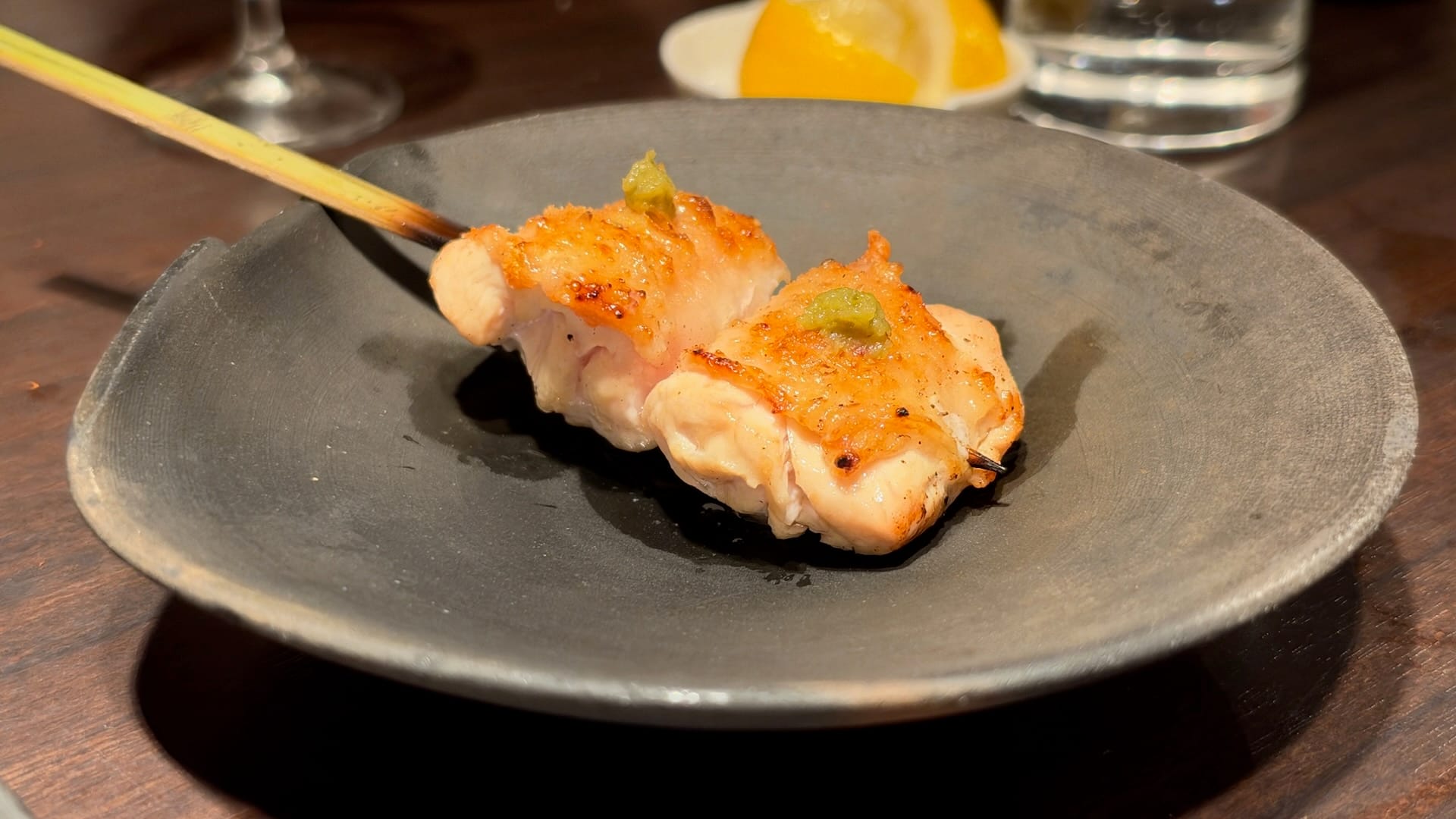
And yet to me it’s very much remarkable, because of that laidback local atmosphere, but also because of the food. Yakitori: it’s chicken on a stick essentially, something that should be pretty straightforward and uninteresting.
But when you’ve been served a perfect skewer at Fuku, a classic like negima, hunks of juicy, perfectly crisp chicken thigh interspersed with soft, blackened Japanese leeks (called negi), just a hint of smoke and char, you understand how something so simple can be elevated into the stratosphere.
The Food + Travel Edit is a community-funded newsletter, and your support is very much appreciated. Please consider upgrading to a paid subscription, for just $5 a month, or $50 a year.
I make a point of travelling across Tokyo to visit Fuku because it’s an old favourite, somewhere familiar and so consistently enjoyable. There are many, many other yakitori restaurants in the city that are probably just as good for all the same reasons, but this is my place, so I return.
This time, I took my kids. They mostly seemed to enjoy it.
But that’s it. On my recent trip to Japan with Jess and the kids, that’s the only restaurant I really made a point of going out of my way to visit. That’s the one I planned in advance and the one I trekked across the city to experience.
The rest was mostly local, save for a meeting with clients at an upscale tempura joint in Nakameguro. For everything else we just ate where we were, we visited local restaurants I’ve never been to before and gave them a shot.
I was going to write a whole post detailing all those dining experiences and rating the restaurants we visited, but then I had a realisation. I shouldn’t do that. It would be telling you to approach Tokyo in the wrong way.
Because you should not trek across this city just for food. I usually think of an hour-long commute – or far more – to a restaurant as a sign of commitment, as the dedication of a serious foodie to experience the best, but in Tokyo that’s actually a sign of inexperience.
You do not need to travel halfway across Tokyo to eat good food. You do not need to sit in a train for an hour each way to go to an izakaya. You do not need to schlepp through busy subway stations or line up to ride buses for chicken.
I see all these social media posts out there – “these are the best izakaya in Tokyo”; “you have to eat at these five restaurants”; “10 ramen shops worth travelling for” – and it’s lunacy.
You do not have to travel to eat great food in Tokyo. In fact, you shouldn’t. You shouldn’t be following someone else’s list.
It’s hard to convey just how much great food there is out there in the Japanese capital. Most cities around the world have a handful of truly excellent places to eat at each price point, from budget to high-end, and the advice of a curated list or someone from social media is probably useful. But Tokyo has hundreds of these restaurants. Thousands. The choices are almost infinite, and from the point of view of a tourist just visiting for a week or so, they really are.
So no, don’t come up with a list of good places to eat in Tokyo and trek across the city from place to place to tick them all off.
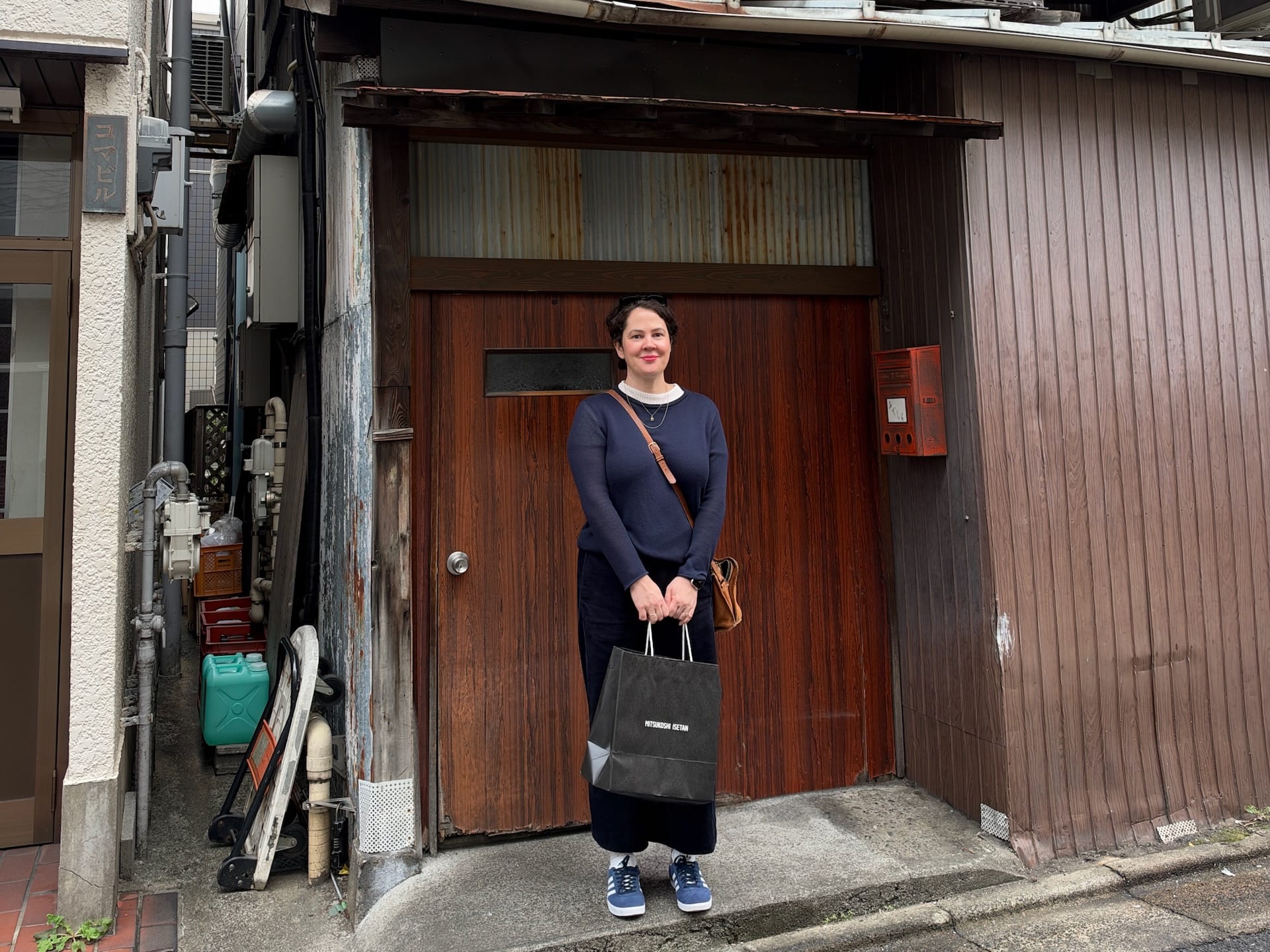
I have done that before and it was a huge mistake. Jess and I spent so long on one visit just sitting on trains and battling through stations to get to the curated list of restaurants I had diligently formed that we lost the will to actually enjoy any of it. And you probably will to.
That’s why I’m not going to tell you where we ate on this latest trip – because it’s not helpful. It would be doing you a disservice.
When you’re in Tokyo, you should eat in the area you’re currently staying or visiting. This city is so vast and unknowable that it can be useful to drill down on a small neighbourhood and really get to know it, to stay in Ebisu or Nakameguro, Koenji or Asakusa, Ryogoku or Shibuya, and dive into the restaurant scene there in a serious way.
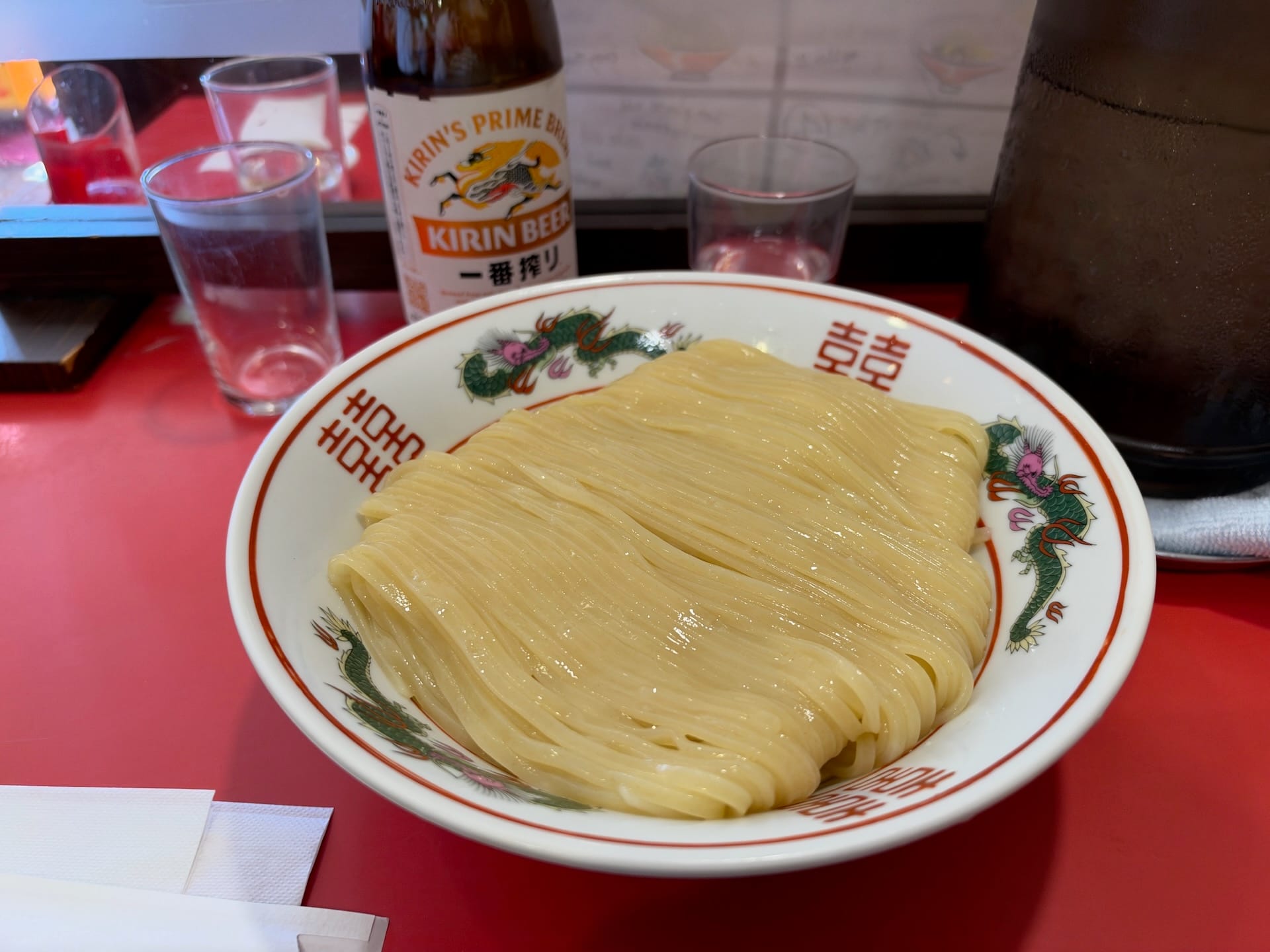
Use Tabelog, the Japanese review website and app, to help you choose, because sometimes the hardest thing in Japan is just knowing what is a restaurant, what they serve, if you need a booking, and how much it will cost. Tabelog will answer those questions for you.
And then, try it all. Go to random izakaya to drink sake and eat snacks. Try ramen joints and soba restaurants, splash out on fancy sushi, pick up treats from your local convenience store. I can guarantee you will have great, memorable meals this way, just as good as anything you would have heard about on social media and trekked halfway across the city to enjoy.
Fuku was my one exception on this recent trip, and it lived up to expectations, as it always does. The rest of our dining, however, was local and previously unknown to us, and hugely enjoyable. That’s how you do Tokyo.
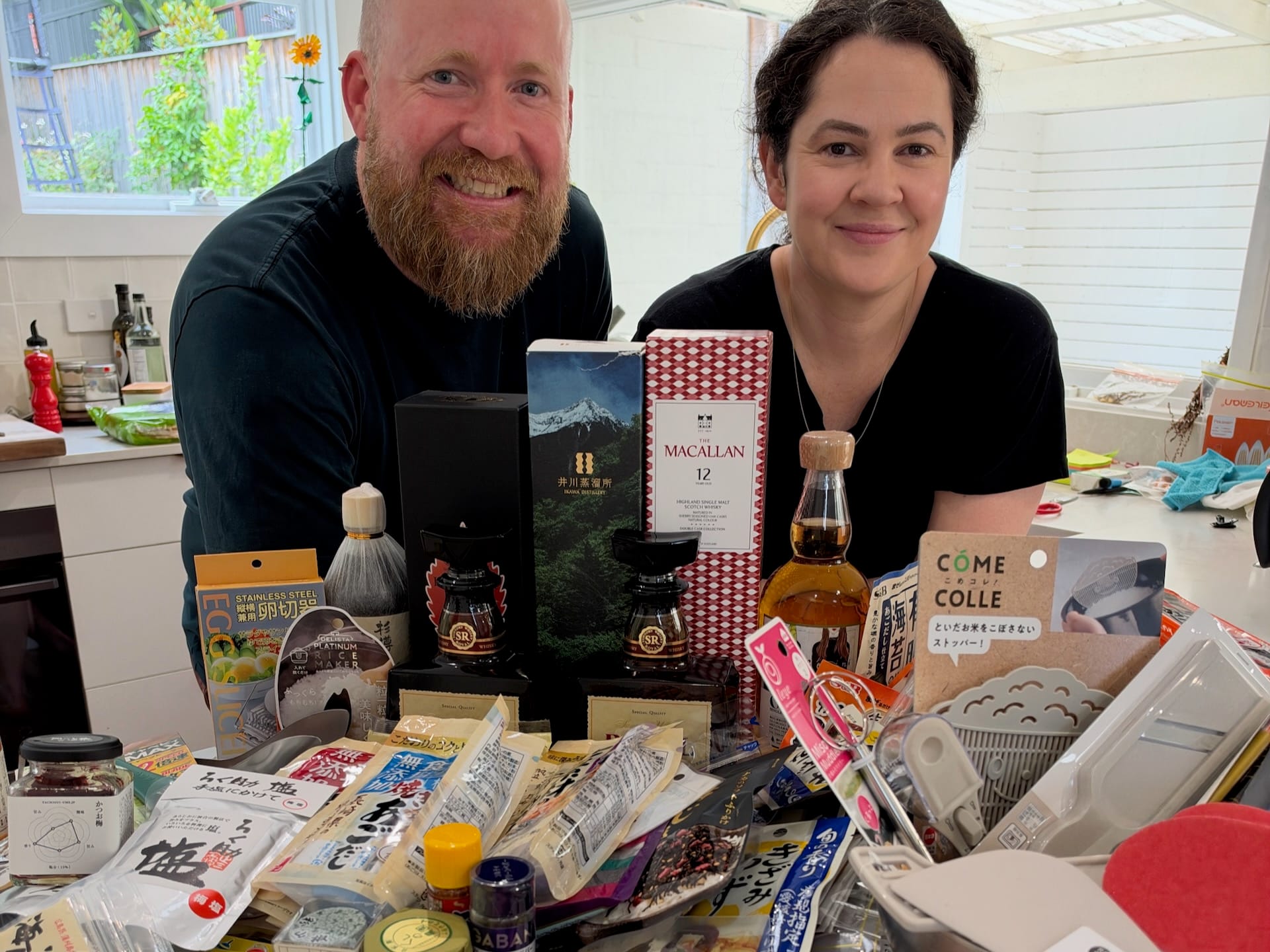
YOUR TOKYO SHOPPING LIST
If you love food and you’re heading to Japan, then there are a few souvenirs you’re going to want to consider. In this recent Instagram post, Jess and I break down the specialist utensils and ingredients we bought back with us from Japan, which range from simple staples to esoteric deep-dives. Everyone will have their own version of what’s necessary and useful, but if you’re into cooking I would highly recommend a visit to Hands, a chain store that specialises in all sorts of handy little knickknacks, including kitchen utensils. If it’s high-quality packaged food you’re after, try the supermarkets on the basement levels of major department stores such as Mitsukoshi, Daimaru, Isetan and Takashimaya. And if you love Japanese whisky, the electronics superstore Bic Camera has a surprisingly comprehensive selection of rare and well-priced drops, with tax-free shopping available.
TOUR UPDATE
Friends, I’m excited to say that I have a new tour itinerary in the works, and it is going to be a cracker. I can’t reveal too much right now, but if you love food, and hot springs, and seaside villages, and places not many tourists ever visit, then you are going to want to get on board. As ever, subscribers to the Food + Travel Edit will have exclusive pre-sale links, so watch this space!
THINGS I’M LOVING THIS WEEK
- I’ve mentioned it already, but how amazing are Japanese convenience stores? Our key discovery on this recent trip was the Ohayo Brulee ice cream available from 7-Eleven. These only cost a few dollars and they’re spectacular.
- Singapore Airlines has arrived at Western Sydney International. This airport doesn’t have many international flights at the moment, but SG opens up a huge amount of the world.
- A class action is being put together for Jetstar customers who were refused refunds for cancelled flights during Covid-19.
THINGS I’M NOT LOVING
- This interview with the CEO of Dubai Airports reminded me of how surprisingly terrible DXB is – it’s crowded, with few facilities, and nowhere to sit. There’s a new airport in the works, but it won’t open until 2032.
- There’s so much I love about Japan, but one thing I never really clocked until I travelled there with young kids is that there are very few places to sit down. Almost no public benches or seats, nowhere in train stations or even department stores to just sit down for a while without having to spend money at a café or restaurant.
- Very interesting feedback on this post related to my newsletter from a few weeks back about 50 Best. I seem to have ruffled some feathers…
Member discussion