Five ways to get the best of the Basque Country
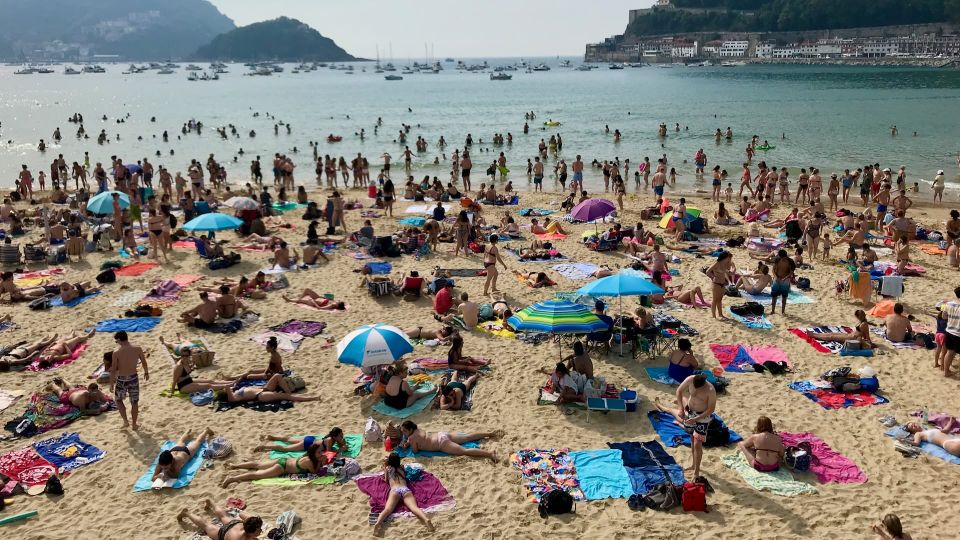
Lesson one: this is not Spain. I mean, it is Spain, but don’t say that out loud to anyone who lives in the Basque Country.
There’s a fierce sense of independence here, even among those who might not have ancestry that stretches back thousands of years. The people who call Euskadi home tend to think of it as its own entity, and in many ways it is: it has its own language, its own education system, its own police force, and very much its own culture and attitude.
So how do you, as a first-time visitor to this land of sparkling coast and rugged mountains, this place with some of the world’s best food and some of the world’s grumpiest barmen, get the best out of it?
I lived in San Sebastian for a year, I lead tours there every year, and I’ve visited the region more times than I can count. Here are a few simple tricks.
Learn a few words
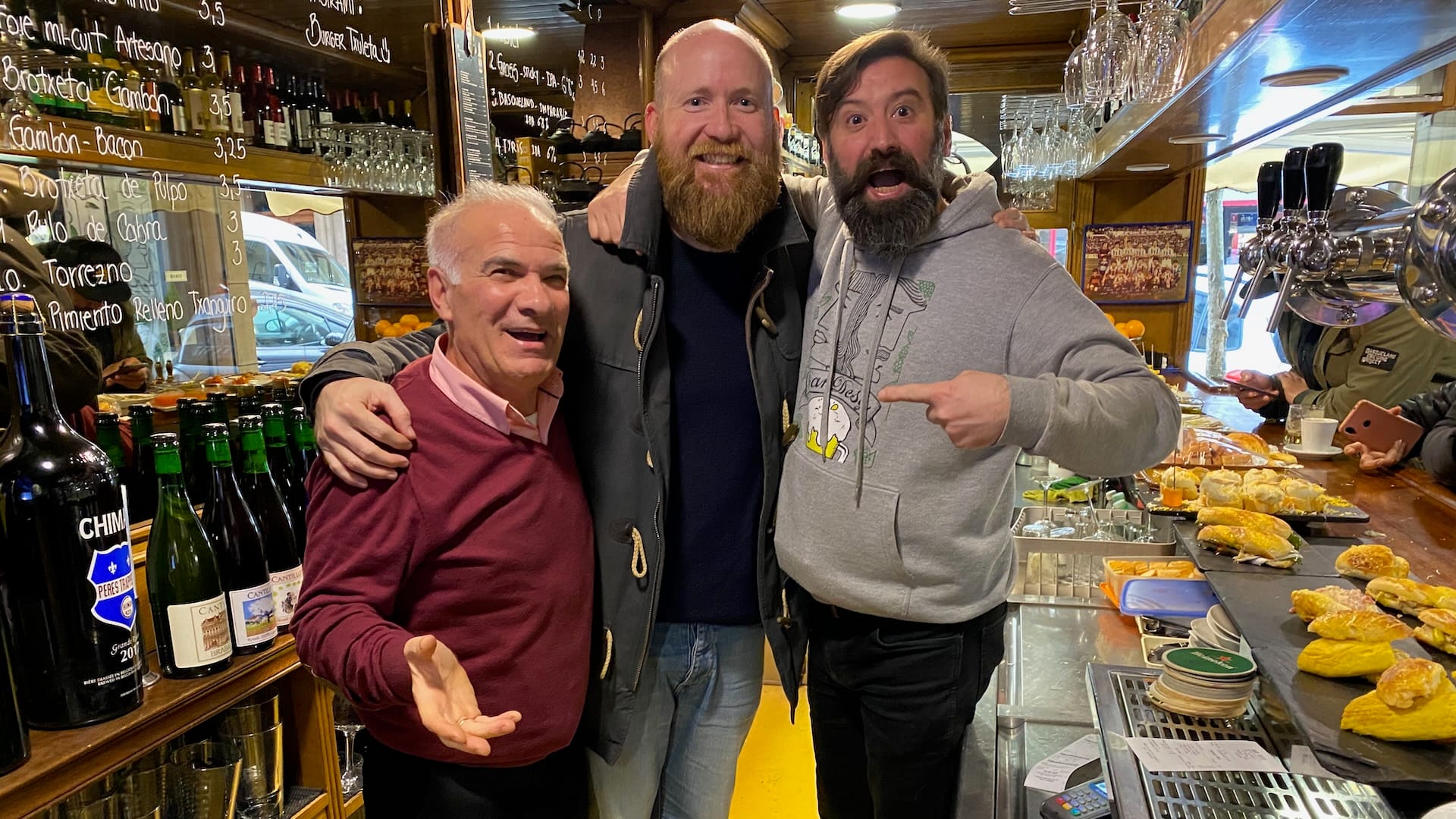
This is not Spain (well, sort of), which means the local language is not Spanish. Everyone in the Basque Country speaks Spanish, of course, but you will be showing a lot more respect and understanding of the place you’re visiting if you learn even just a few words of Euskara, the Basque tongue.
Begin with “kaixo” for hello – pronounced “kai-show” – then go on to “eskerrik asko” for thank you, and “agur” for goodbye. Even just these three small words will win you friends.
Ask for local specialties
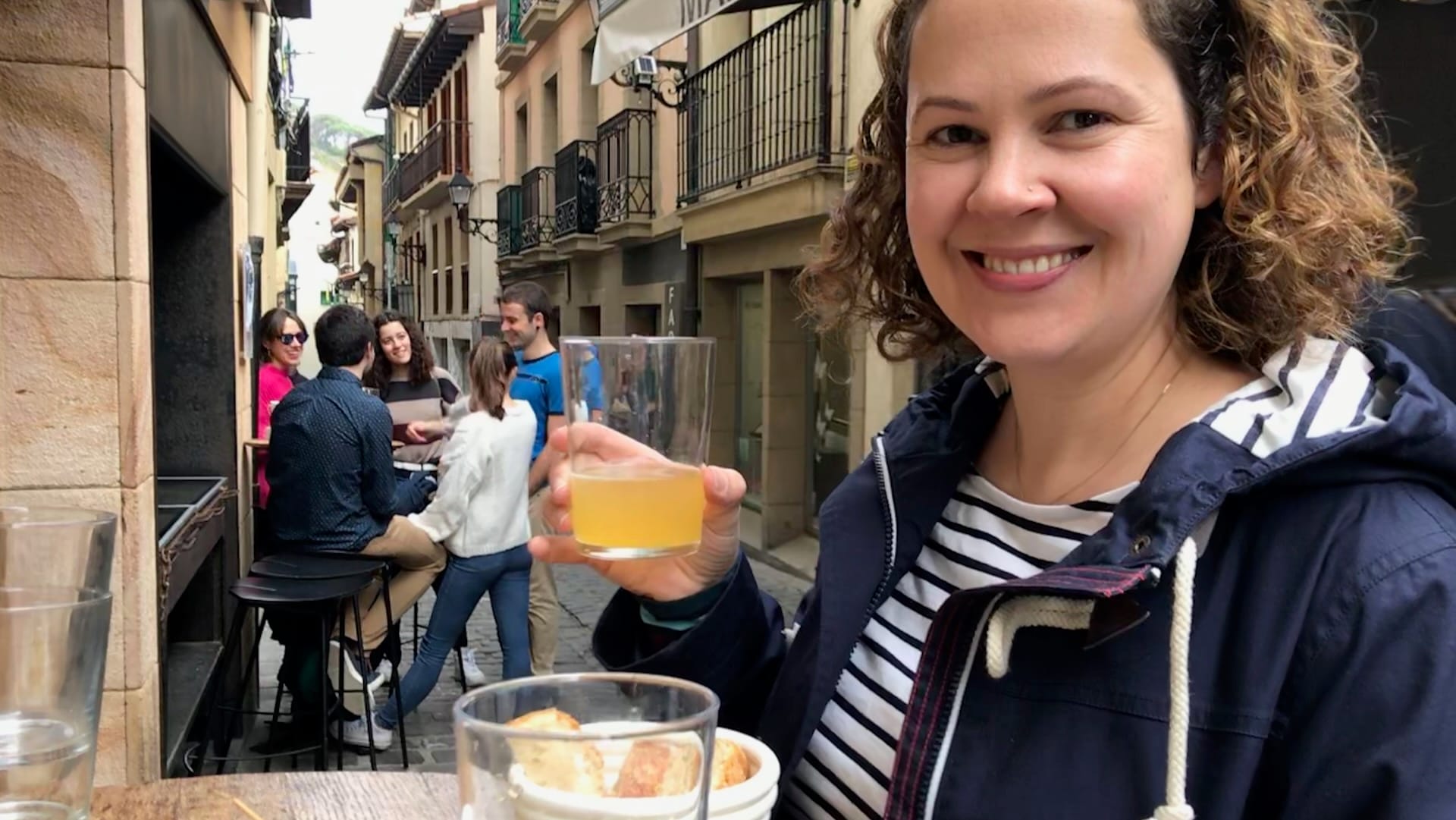
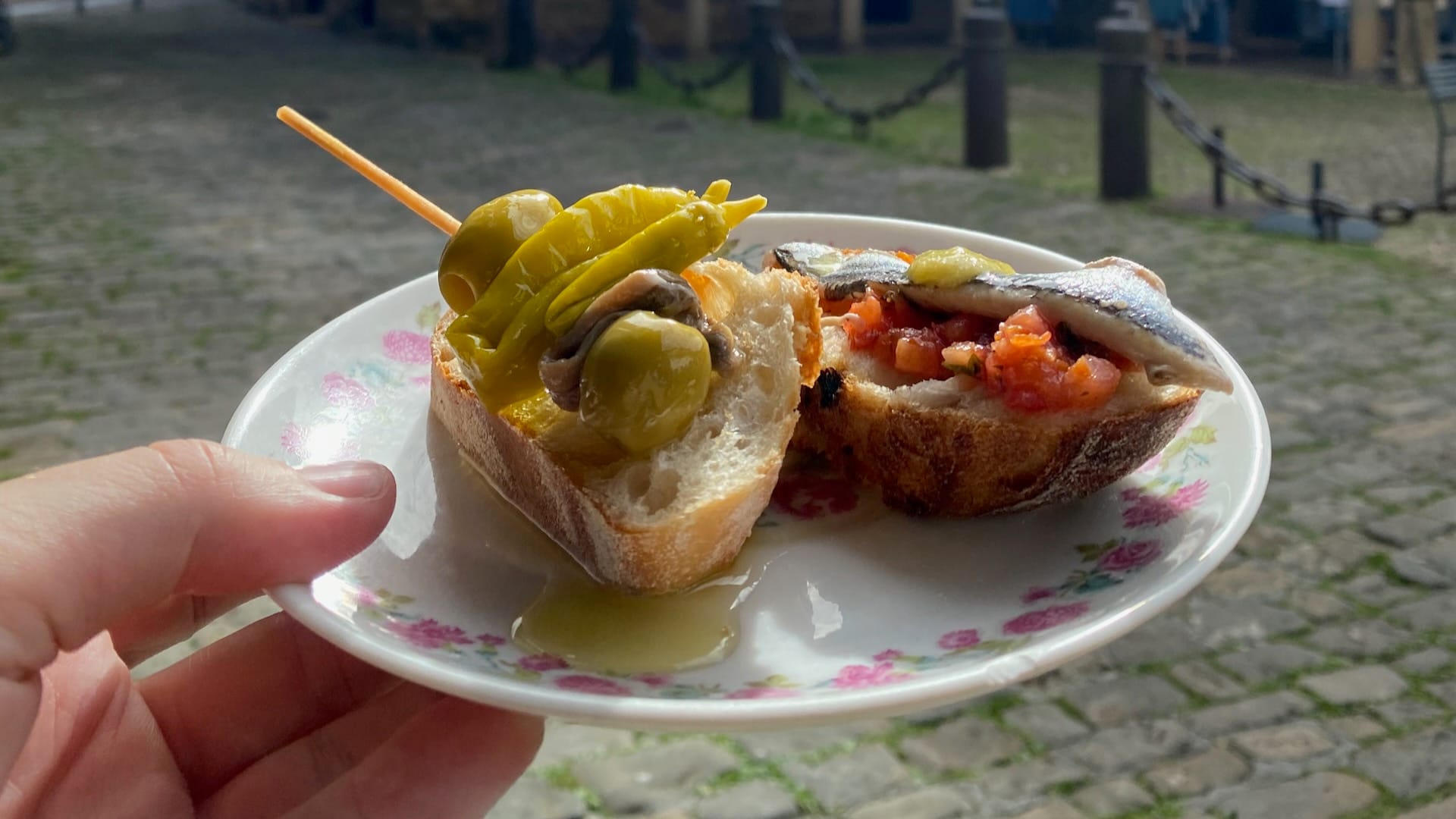
Most bars in places like San Sebastian, Tolosa and Bilbao will have a particular pintxo, or small snack, that they’re either best known for or they’re most proud of. Figuring out what this specialty is is not a secret or a guessing game – just ask.
Ask in Euskara or Spanish if you can, though in some places you will also get away with asking in English. And the answer will be an honest one, the genuine speciality, not just a case of the staff trying to palm off yesterday’s leftovers onto unsuspecting tourists.
Get out of San Sebastian
You should visit San Sebastian. It’s the jewel in the Basque crown, the city that’s justifiably famous for its cuisine and its beauty, and a pleasure to spend time in during any season. But there’s more to the Basque Country than just the city known to locals as Donostia.
What happened when we moved to San Sebastian for a year (with a baby)
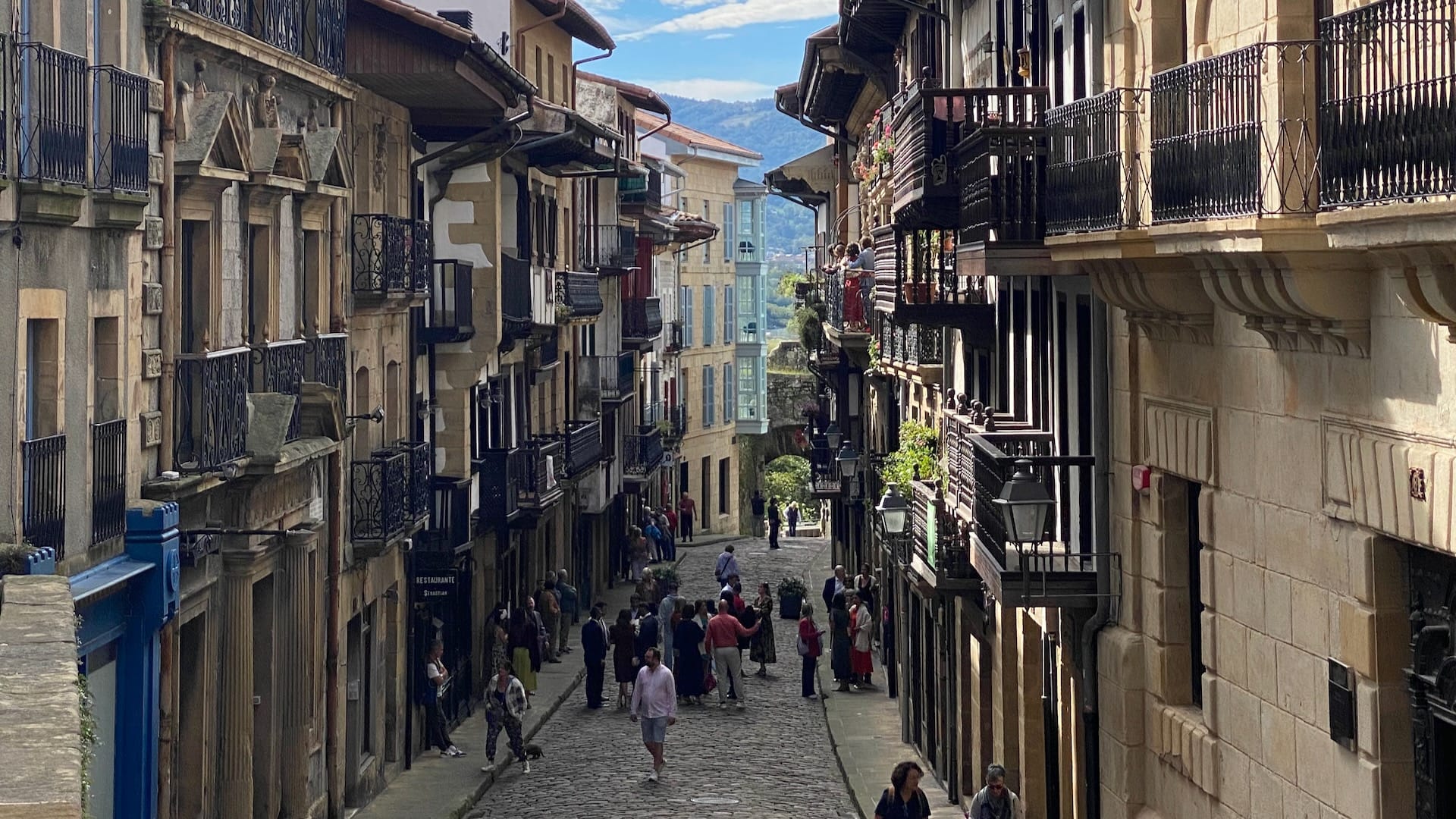
Visit Hondarribia, on the French border, for culture and history, head inland to Tolosa for amazing steaks, visit Getaria for beaches and seafood, check out little villages like Mutriku and Lekeitio, and visit Bilbao for big-city excitement (and the Guggenheim).
Visit a cider house
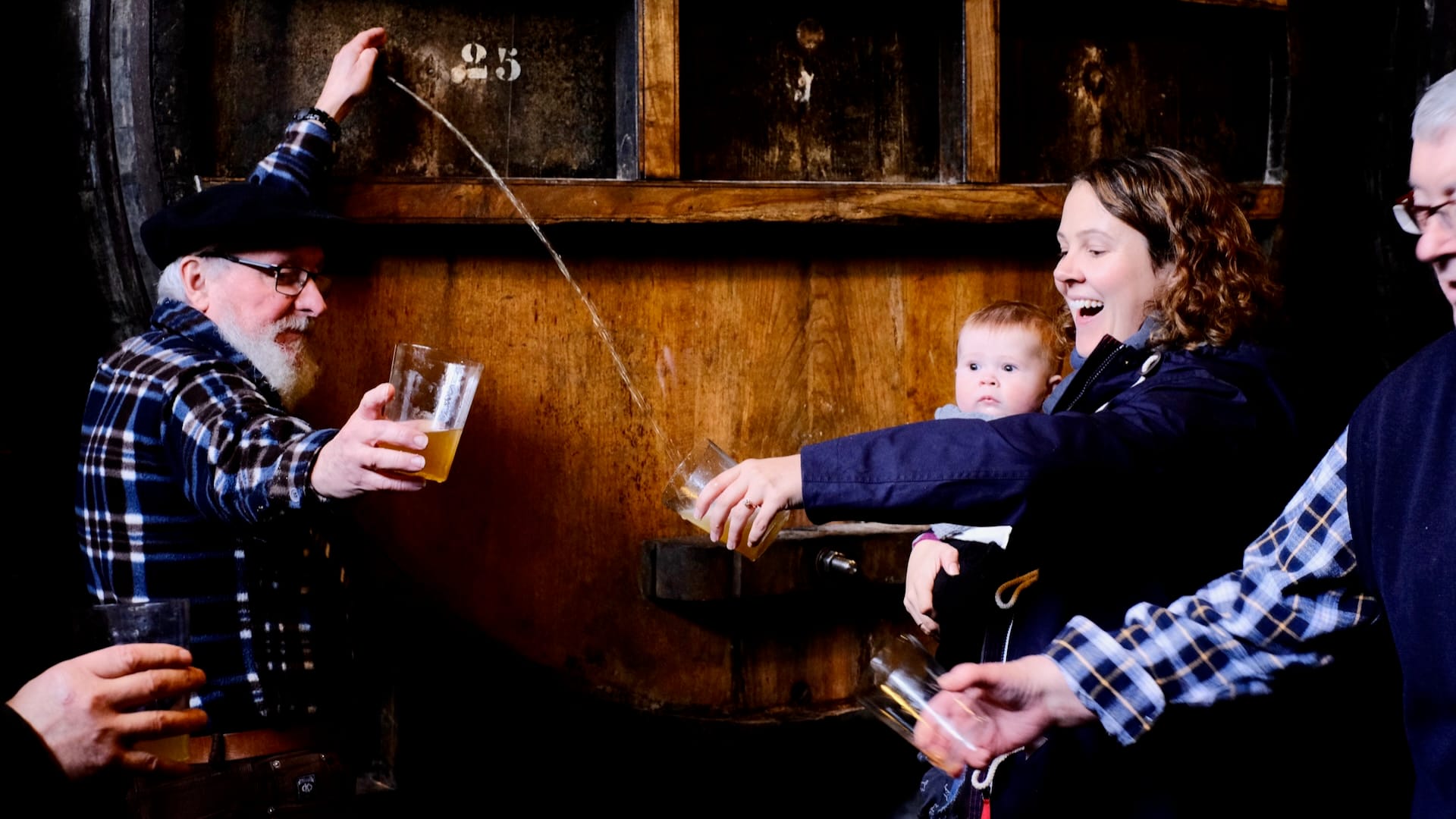
There are a few quirks of Basque culture that many first-time visitors might miss. One is cider, a drink that’s cherished by the locals, and seasonal in its celebrations. Basque cider houses – mostly grouped around the town of Astigarraga – tend to be small, historic and family-owned, and they open for meals and tastings from January to April.
Each cider house serves the same menu – chorizo, then bacalao omelette, then fried bacalao with peppers, then steak, then walnuts and cheese – along with all-you-can-drink cider served straight from the barrel. This is a must-do, a cultural and social mainstay, and you will also find these colder months free of the tourist hordes.
Book in some bangers
Basque cuisine is famous around the world, for its pintxos and simple, home-style dishes, but also for its elevated fine-dining cuisine. If you love food and you’re visiting the Basque Country, you should really try the full spread of gastronomic experiences on offer.
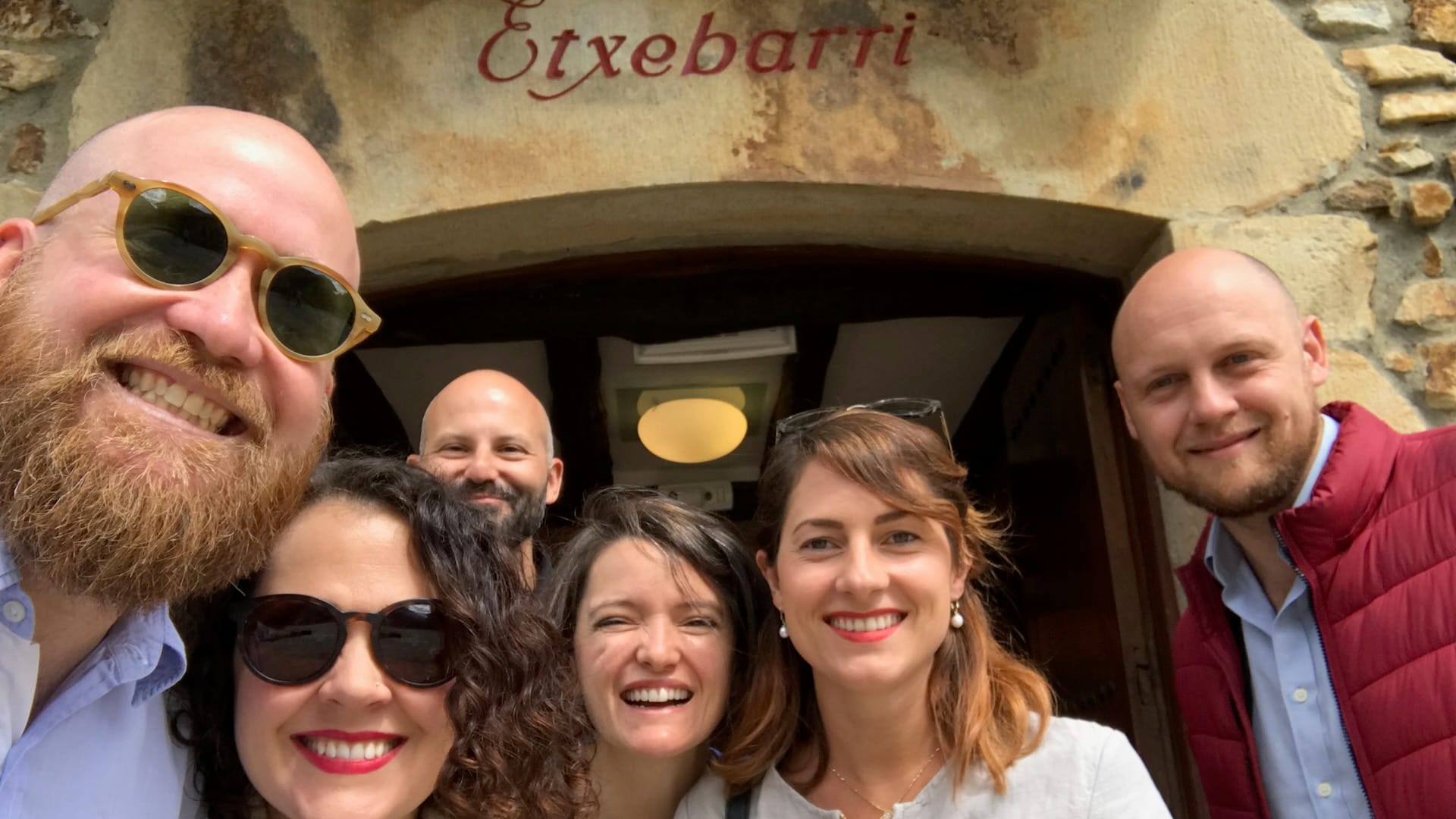
So go to the pintxos bars, for sure. Eat at the asadores, or countryside grill restaurants. And make at least one booking at a fine-dining restaurant. I love Arzak in San Sebastian, it’s historic and also incredibly good (and bookings are easy to come by), though Asador Etxebarri and Elkano are legendary for a reason, and if you can grab a reservation you should definitely go.
New Tour Alert!
In 2027 I will be hosting an incredible tour through Spain and France called “Cava to the Coast”, in partnership with World Expeditions. Tickets have just been released for this amazing 12-day food and wine journey that will take you from the cava cellars of Catalonia, via the bistros of Toulouse to the pintxos bars of San Sebastian. We’ll eat calcots near Barcelona, sip wines in southern France, explore markets in Carcassonne and St-Jean-de-Luz, and even walk part of the Camino del Norte. Places are strictly limited, so grab your spot now.
One year in San Sebastian
What happened when we moved to the Basque Country
for a year (with a baby)
They all knew our son at Ogi Berri, the local bakery. They knew he would be one of the first to pop his head in just after eight in the morning, his greedy mitts outstretched as I eased his stroller through the door. “Hola Ung-goose,” they would smile, giving a romantic Spanish twist to Angus’s otherwise very Anglo-Saxon name. “Quieres pan?”
Do you want bread? Si. Always. He always wants bread.
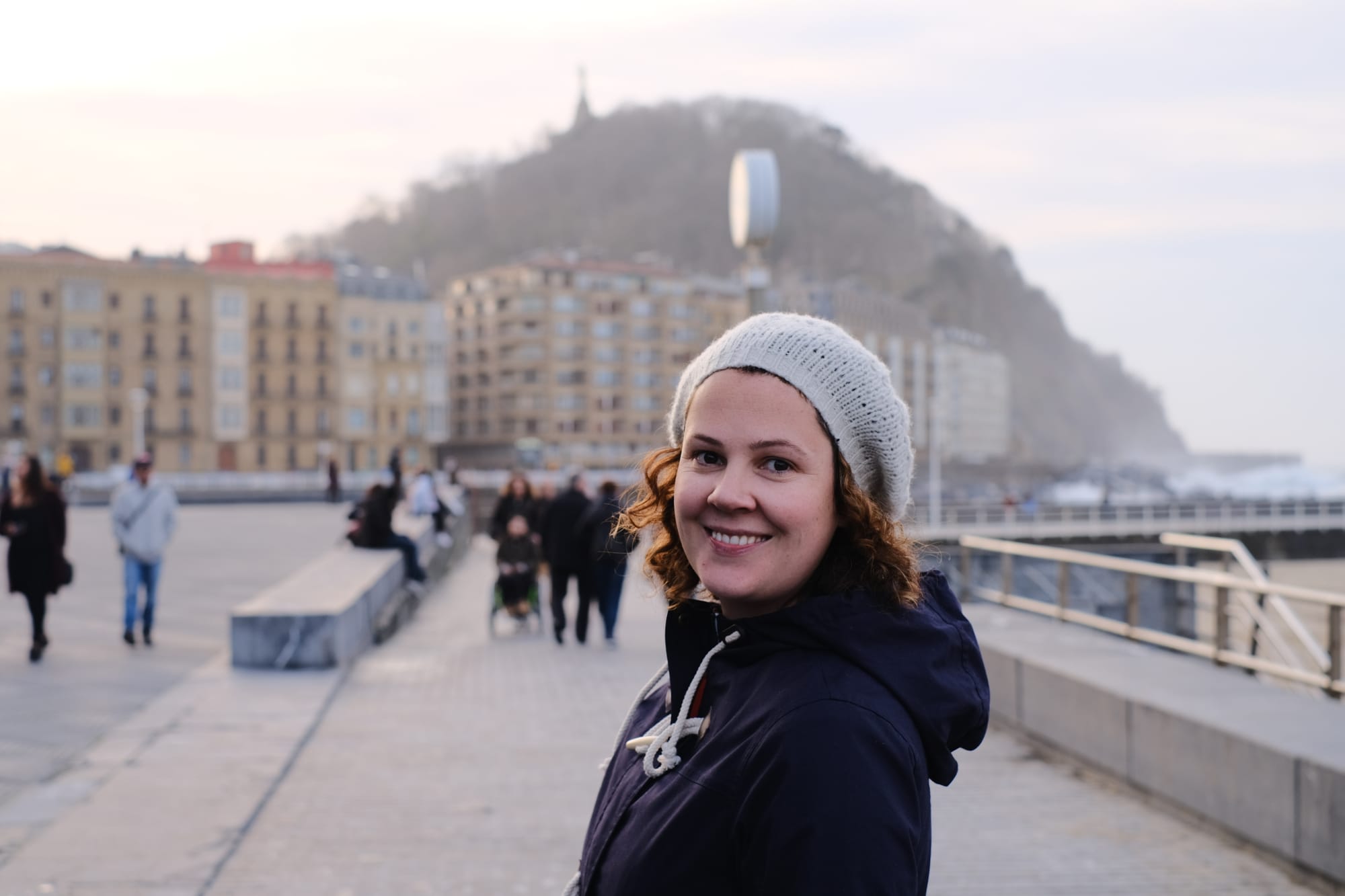
This was part of our daily routine, an integral morning stop-off on the way back from our walk. We would leave our apartment as soon as the sun rose each day, as dawn broke over Monte Ulia and San Sebastian began to stir. We would pack Angus into the stroller and walk out onto the streets of Gros, down a few blocks and out to Zurriola beach.
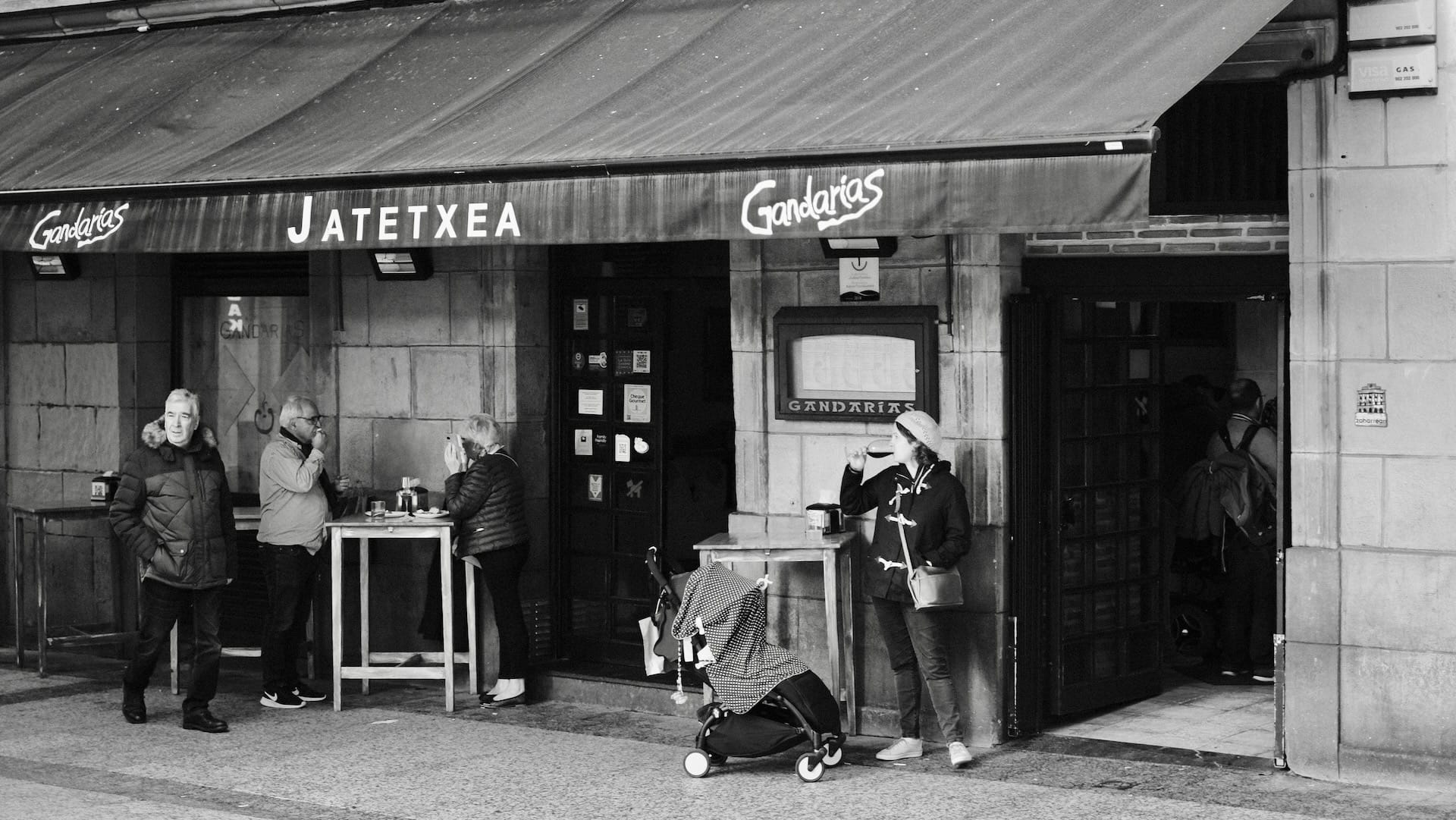
There were usually a few surfers out there, bobbing in the cold waters. A street cleaner patrolled the wide, paved promenade, sweeping away any excesses of the evening before. The great hulk of the Kursaal building was still grey and moody, yet to catch the first rays of sun.
We would push Angus past it and on to the long finger of concrete at the beach’s end, out to its farthest reach, from where we could turn and see San Sebastian in all its beauty and glory: the spherical lights atop Urumea bridge; the Belle Époque apartment blocks hugging the promenade; the forested hillside of Monte Ulia; the gorgeous stretch of sand and ocean that is Zurriola.
And we would remind ourselves that this is our home. We would make a point of doing this every morning, as we stood there at the end of the pier and watched San Sebastian slowly shake itself awake. We live here. We’re part of this. We would breathe in deep and taste the sea-salt and admire the view and just let it all wash over us. And then we would head to the bakery to get our hungry kid some bread.
THINGS I'M LOVING THIS WEEK
- My SMH/The Age colleague Michael Gebicki is always on the money, and over the weekend he wrote a great story about fixing travel’s big issues: the likes of 10am check-outs from hotels, and the insistence on designing hotel bathroom with zero privacy. Give it a read.
- Kudos to Qantas, who last week sent me a full refund, with no cancellation fee, for a codeshare flight I had booked on Emirates flying through Dubai in a few weeks. The money was in my account within a few days. Airlines don’t always do the right thing, but in this case it was completely painless.
- It’s always nice to share an exciting discovery, and Omakase at Prefecture 48, a high-end sushi joint in Sydney, is just that. The chef here, Akira Horikawa, trained at Ginza Kyubey in Tokyo for 15 years, and Omakase really does deliver on the promise. It’s crazy expensive, but the quality is outstanding, and it’s a lot cheaper than flying to Tokyo.
THINGS I'M NOT LOVING
- Working on planes is the worst. Only, it has to be done. Check out my column in the Sydney Morning Herald and The Age.
- The hantavirus outbreak on board the MV Hondius cruise ship, currently moored in Cape Verde, is every cruise passenger's worst nightmare. Here's hoping the situation is quickly resolved.
- Some airlines – Turkish, for example, and some Chinese carriers – are choosing to use the current fuel crisis to tempt new customers to give their product a try, offering competitive fares from Australia to Europe. Some, meanwhile – ahem, Singapore – are still slugging customers $5000+ for a return journey, which is outrageous.
- In the world of fine-dining, news came out this week that celebrated Kiwi chef Vaughan Mabee has “resigned” from Amisfield restaurant, after a string of sexual harassment claims. I’ll be writing more on this, but clearly the time has come to rethink our unquestioning adulation of chefs.
- Broken links! Last week’s newsletter contained a few broken links, which was an IT problem on my end that should hopefully be fixed this week. Apologies, and thank you to those who pointed it out.

Member discussion