One year in San Sebastian
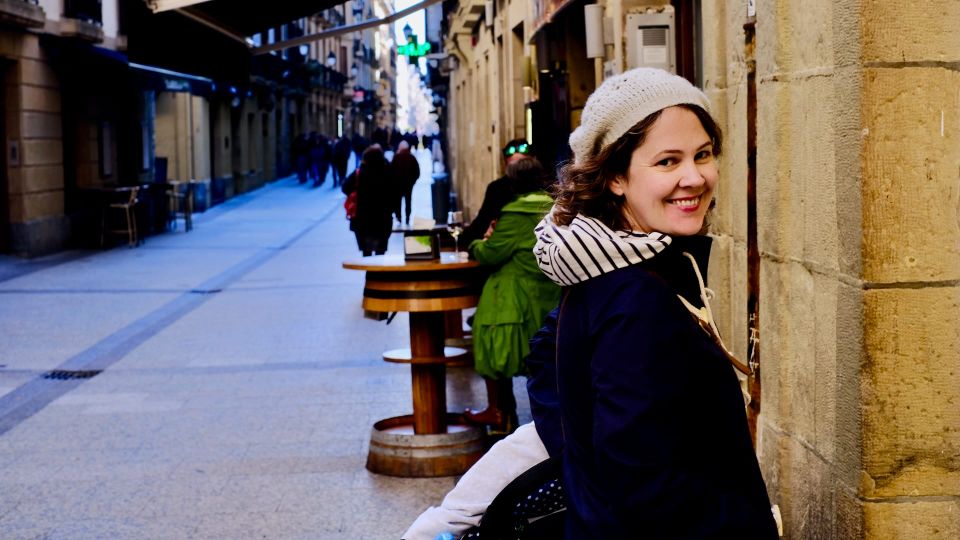
They all knew our son at Ogi Berri, the local bakery. They knew he would be one of the first to pop his head in just after eight in the morning, his greedy mitts outstretched as I eased his stroller through the door. “Hola Ung-goose,” they would smile, giving a romantic Spanish twist to Angus’s otherwise very Anglo-Saxon name. “Quieres pan?”
Do you want bread? Si. Always. He always wants bread.
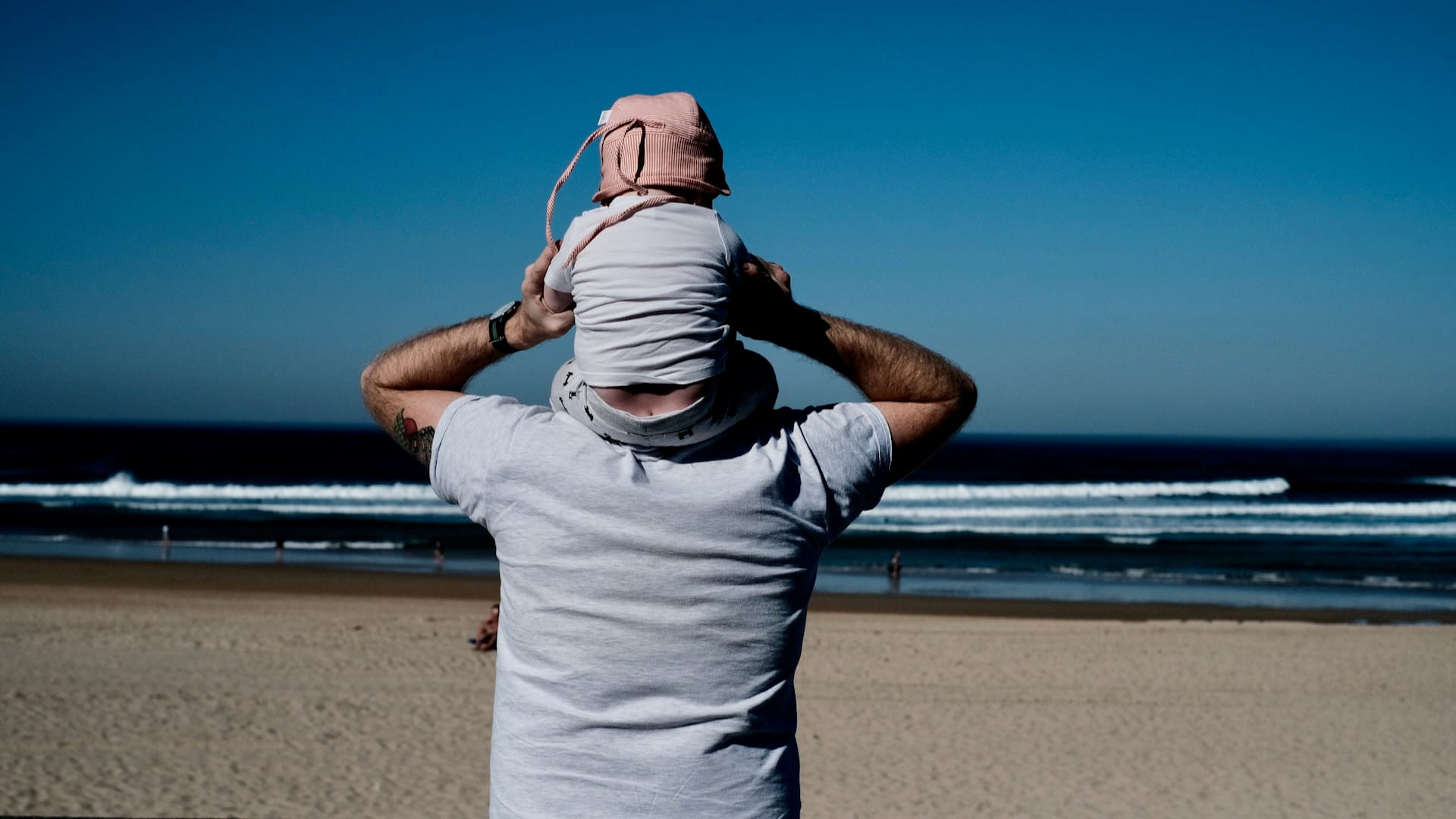
This was part of our daily routine, an integral morning stop-off on the way back from our walk. We would leave our apartment as soon as the sun rose each day, as dawn broke over Monte Ulia and San Sebastian began to stir. We would pack Angus into the stroller and walk out onto the streets of Gros, down a few blocks and out to Zurriola beach.
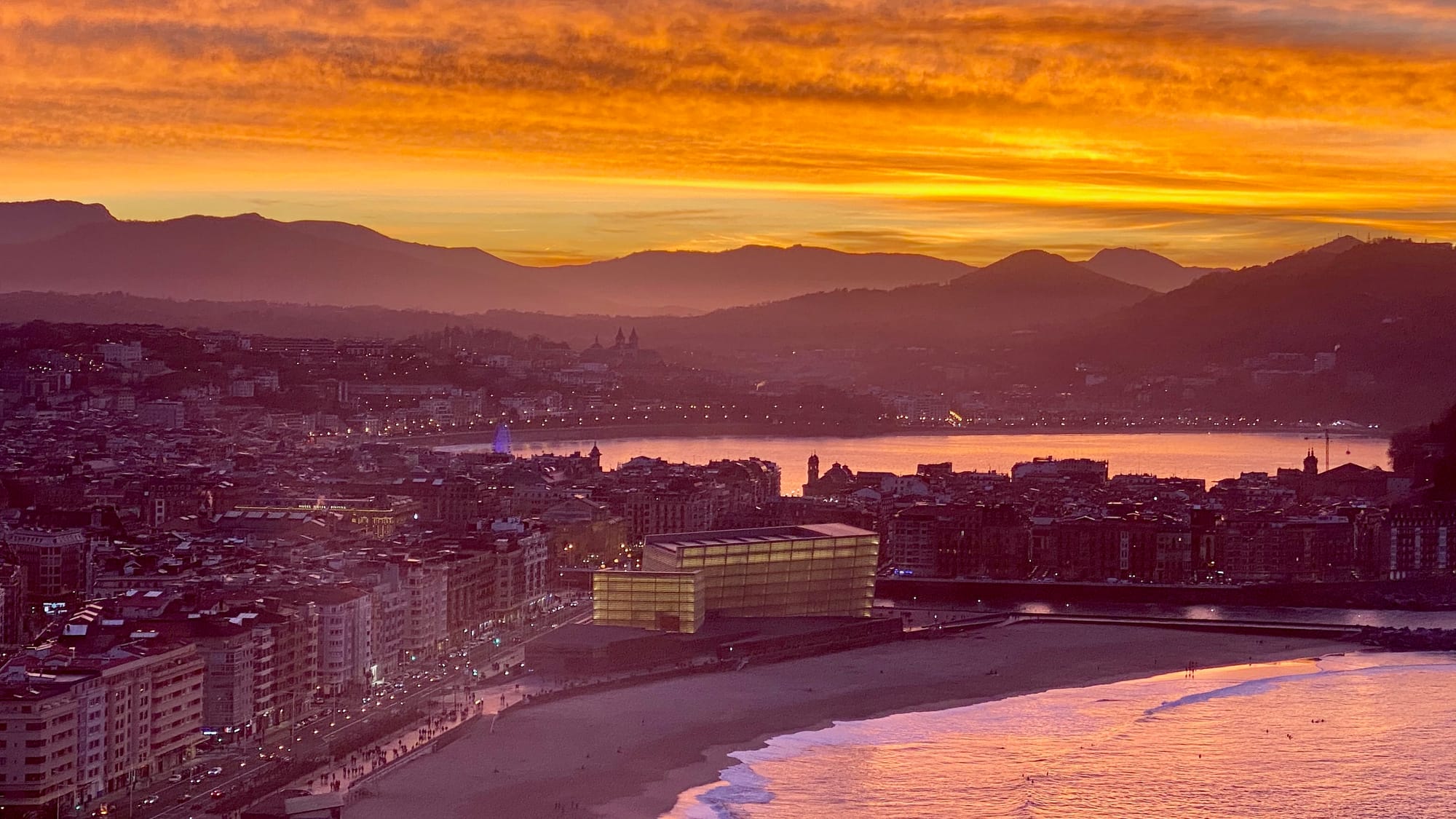
There were usually a few surfers out there, bobbing in the cold waters. A street cleaner patrolled the wide, paved promenade, sweeping away any excesses of the evening before. The great hulk of the Kursaal building was still grey and moody, yet to catch the first rays of sun.
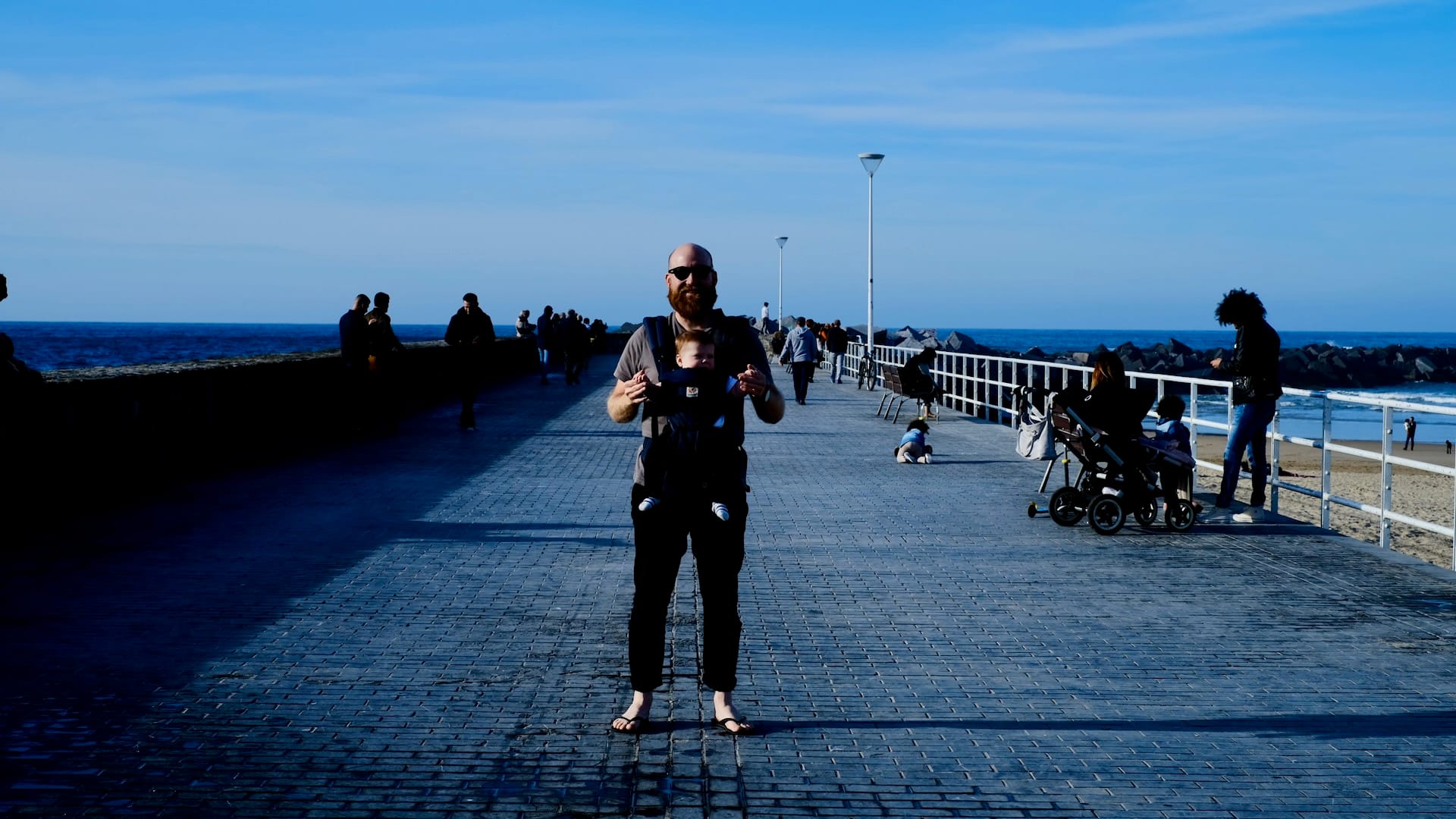
We would push Angus past it and on to the long finger of concrete at the beach’s end, out to its farthest reach, from where we could turn and see San Sebastian in all its beauty and glory: the spherical lights atop Urumea bridge; the Belle Époque apartment blocks hugging the promenade; the forested hillside of Monte Ulia; the gorgeous stretch of sand and ocean that is Zurriola.
And we would remind ourselves that this is our home. We would make a point of doing this every morning, as we stood there at the end of the pier and watched San Sebastian slowly shake itself awake. We live here. We’re part of this. We would breathe in deep and taste the sea-salt and admire the view and just let it all wash over us. And then we would head to the bakery to get our hungry kid some bread.
THE BASQUE WAY
I lived in San Sebastian, one of the most beautiful and most desirable cities in the world. My little family – me, my partner Jess and our son Angus – spent a year in Basque paradise, a year in which this famously tourist-heavy destination slowly revealed to us its heart and soul, a year in which we realised that we would never be Basque, and we would never feel Basque and we would never be treated as Basque, but we would at least learn what being Basque means. And that even that is such a privilege.
This is not an easy place to fit in. The Basques of northern Spain are a wary people, having resisted invasion and colonisation and annexation from various enemies and rulers for thousands of years. This is a proud and tightly knit clan, a people who use their unique and impenetrable language as both a point of pride and a tool for exclusion, an intangible barrier to keep out those who don’t understand.
“I should introduce you to some friends of mine,” said Noemi Lekube, a local tour guide who I met early in our stay. “They’ve only been living here for five years, so they don’t really know anyone either.”
Five years? Clearly, this place was a challenge, a door that would prove difficult to unlock. We did, however, have something of a key, and his name is Ung-goose. People loved Angus in San Sebastian. They love all kids, in fact. Angus was our ice-breaker, our conversation starter. This city would watch with us as he changed over a year from a plump little six-month-old to a rambunctious toddler; they would see him move from the carrier pouch on my chest to the stroller in front of me to eventually exploring the streets on his own little legs.
The ladies at the bakery fell for him early on. They knew he loved waving to strangers on the street. They also knew he loved bread, that he soon expected to be handed the little knobby bit from the end of a Basque baguette to gnaw on as we pushed him home to our apartment to eat breakfast proper.
They knew we didn’t belong there. But they seemed happy to have us stay.
SOCIAL LIFE
The bakery is one of the focal points of daily life in San Sebastian. Not just our bakery but the myriad that line the city’s streets. They open later than you would expect – most around 9am – and also close far later than seems reasonable.
That’s because there’s a meal in Spain that doesn’t really exist outside the Latin world. It’s called “merienda”, and it’s taken between about 5pm and 7pm. People will typically go to a bakery for merienda, where they’ll have a coffee and a pastry to keep them going until dinner. Even after an entire year in San Sebastian we never did get over the shock of wandering past a bakery in the early evening and seeing it filled with people drinking coffee and eating cake.
That the citizens of San Sebastian should be out and about socialising, however, was no surprise at all. Life in this city is lived on the streets. It’s lived in the markets and the fish shops, in the bars and the restaurants, on the narrow alleyways of the Old Town and the broad plazas of the Gros neighbourhood. It’s lived on the beach in summer. It’s lived in the cider houses in winter.
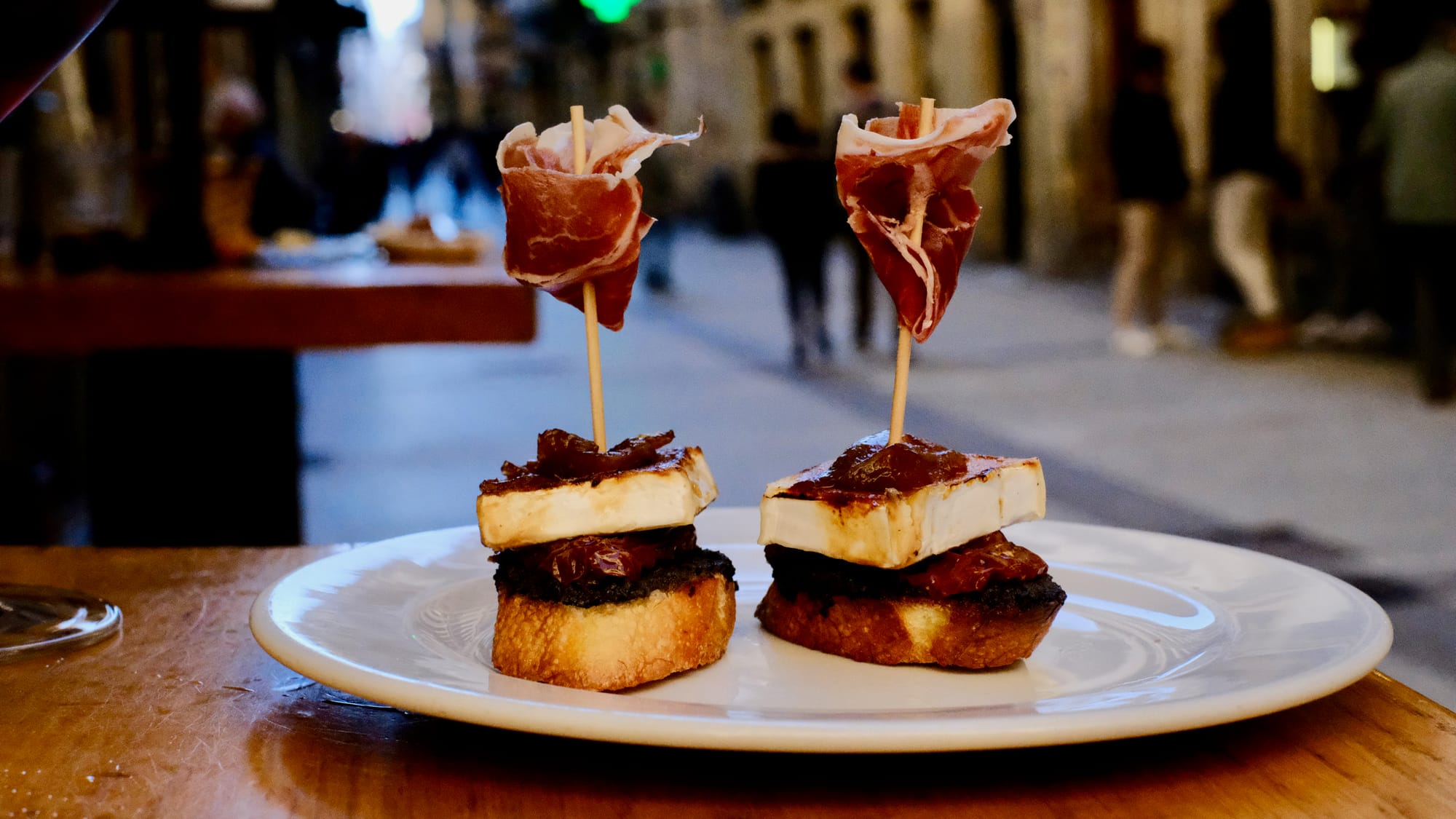
It requires a change of mindset for Australians used to spending time in their own homes, inviting friends around for dinner, having people over to stay. That doesn’t happen in the Basque Country. Not once in a year were we invited into someone’s home. Instead we did as the locals do and met friends outside: we would eat pintxos, the classic Basque snacks, and drink little drinks; we would have coffee at the cafes; we would take Angus to the playground; we would dine in restaurants; we would stay out late for drinks.
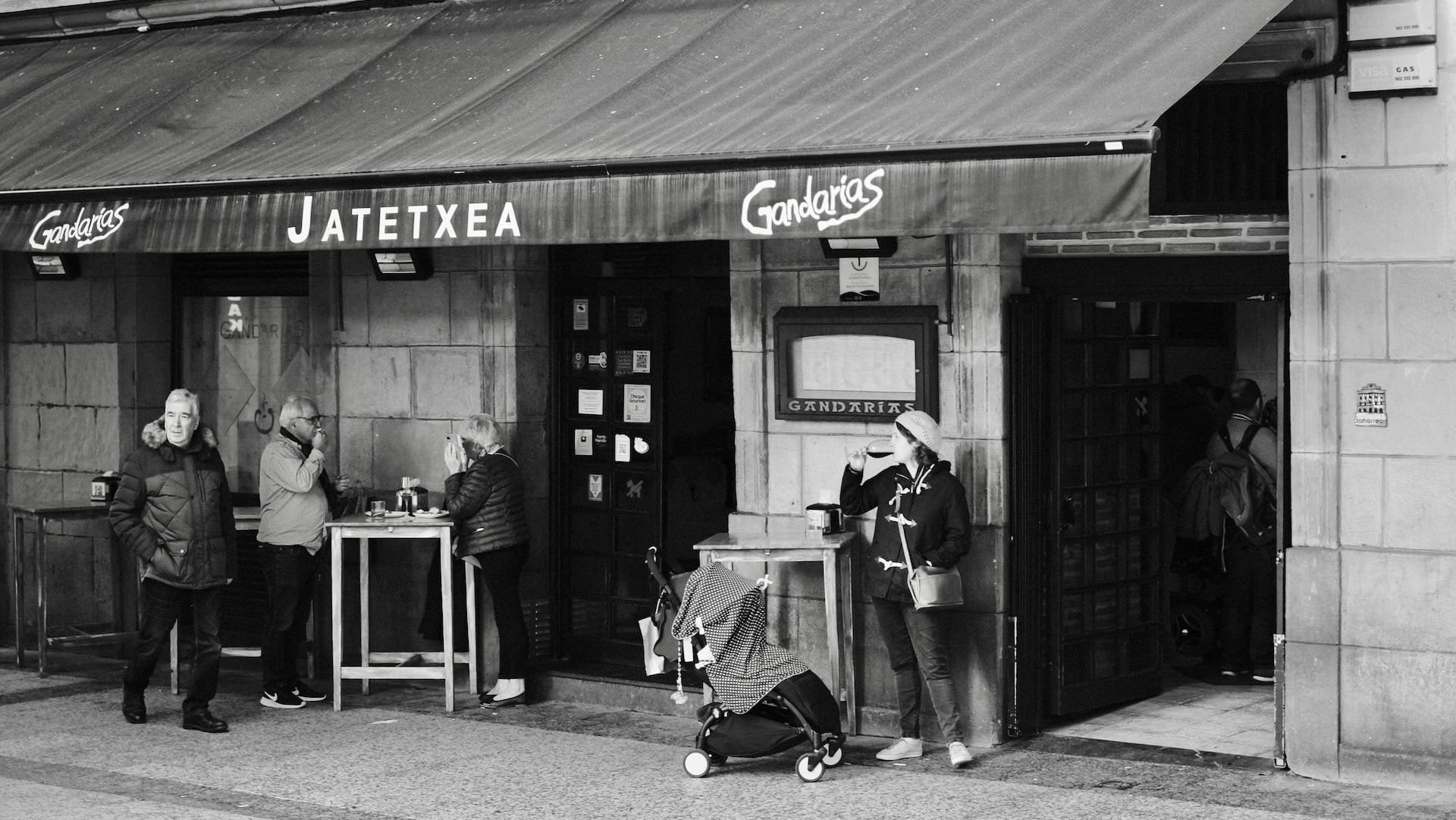
We would gather, too, in the shops that define Basque society and which facilitate these social occasions. Bakeries are one of them. Markets are another: the likes of San Martin and La Bretxa with their incredible displays of produce, from fish and seafood to fresh meat and cured products, local fruits and vegetables, wild mushrooms, fresh bread. There are always people there milling around, chatting, catching up.
We joined the crowds in the pescaderias too, the fishmongers that are such an integral part of this seafood-obsessed city. There are so many fishmongers in San Sebastian – five within a block of our house. They’re always busy.
“Quien es el ultimo?” we asked as we walked into our local: who is the last? One of the other customers would grunt or smile or raise a hand. That person is last in the queue. We will order after them.
Just observing a pescaderia at work is a fascinating thing. You order a whole animal at a Basque fishmonger, unless it’s something large like tuna or salmon. You order whatever is seasonal and fresh, whatever was tipped off the trawlers that morning: anchovies in autumn, albacore tuna and horse mackerel in summer, red mullet in spring, shellfish in winter, hake all year round.
You specify how you would like the fish prepared: cleaned and scaled; filleted, skin on or off, with or without the skeleton; sliced into round steaks; cut into chunks to make stew. You pay a meagre amount and leave.
Fishmongers don’t open on Mondays in San Sebastian, because the fishermen don’t go out on Sundays. Everything is that fresh.
STREET CULTURE
Bars in San Sebastian are open early – some as prompt as 6am to make coffee and serve snacks to early-morning workers. These bars are often humble and always small, and they’re the living rooms of the Basque Country, the glue that binds this whole place together. They also very quickly became our favourite places to spend time.
And there are so many. Our “local” near our apartment in Gros was called Eguzki, a bar that specialises in vermouth and light snacks. It was just across the road from our building; we could check how crowded it was by looking out the window. But still, it wasn’t our closest venue. We had to walk past Dallas Snack Bar right by our front door to get there; Beorlegi was next door.
Every block in San Sebastian is like this. The whole city is just bar after bar after bar. These venues are mostly family-run affairs, the types that just shut up shop for a few weeks in summer so everyone can go on holidays. You see the same people working there and the same people eating there every day. The wary looks of locals became nods of recognition after we began to show up over and over again.
Every bar in San Sebastian makes coffee, some decent, some horrendous. No one moves to Spain for the coffee. Every bar has beer, usually only decent one on tap. Every bar has wine, a modest selection of Rioja reds – reliably good quality – and local whites, which are reliably bad. No one moves to Spain for the white wine (though that’s changing).
Every bar is also filled with people, because this is what people do here. They gather. They eat. They drink. They talk. They go on their merry way.
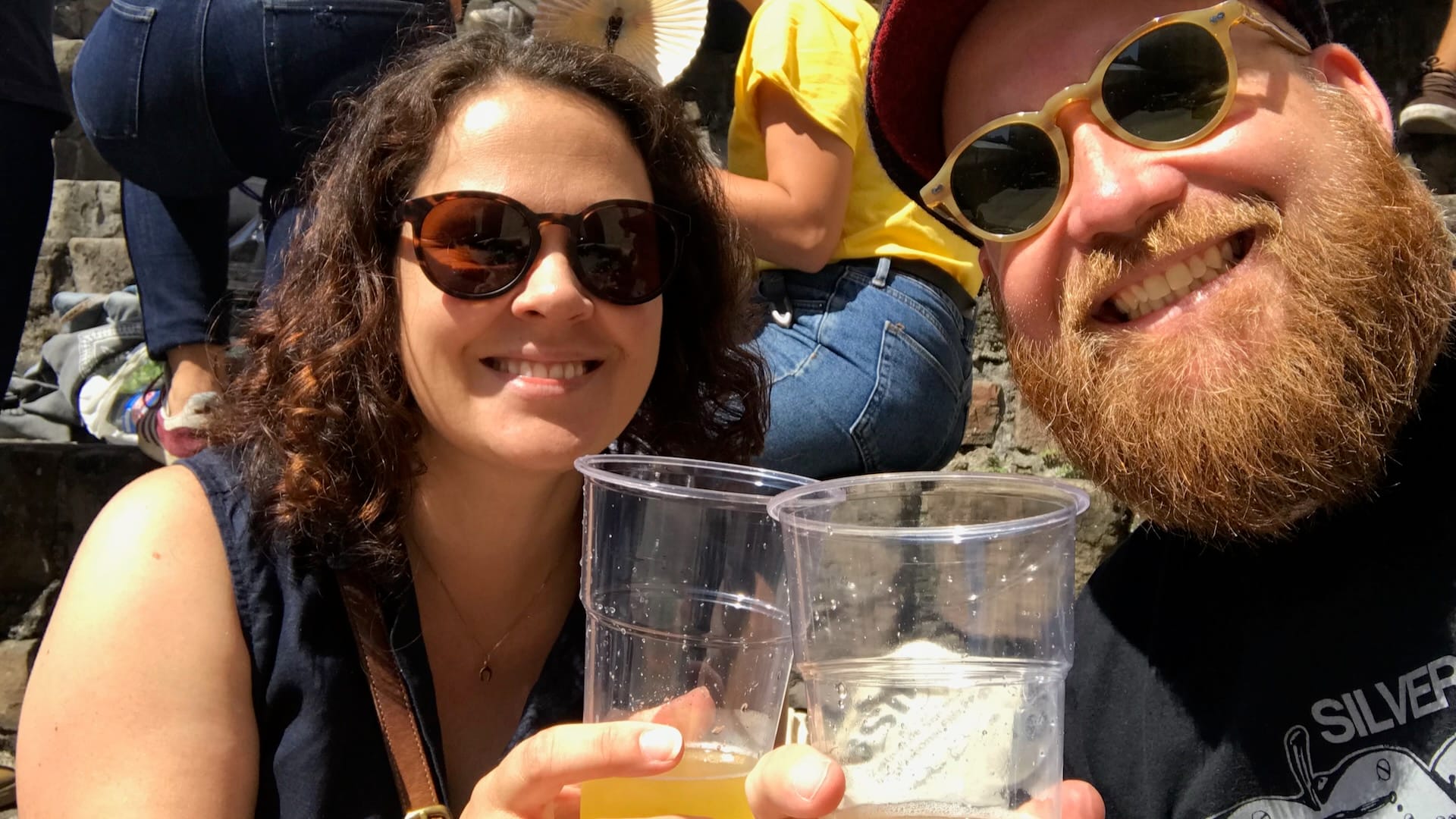
What’s truly fantastic about these people is that they’re from all generations and all walks of life. You’ll find yourself sharing bar space with young families, with middle-aged professionals, with dirt-streaked tradies, with posh retirees, with pensioners on mobility scooters. These people mix naturally, easily. No one gets too drunk. No one makes a nuisance of themselves.
San Sebastian is a famous foodie destination, and there’s an assumption among tourists that every bar here serves incredible cuisine. They don’t. I’ve done the research. Food offerings here exist on a scale in the same way they do everywhere else – it’s just that the scale here begins at a higher point. There’s average food in San Sebastian. But even that tastes pretty good.
You get to know the bars that do the really high-quality food. There’s a huge amount of pride that goes into the displays of cold pintxos laid out on each venue’s bar, and the offerings of hot food detailed on a blackboard behind. Ask 10 locals for their favourite pintxo and they will give you 10 different though equally passionate answers.
Everyone here is an expert. Everyone is the real deal.
These experts are out there day after day, night after night, eating everything the town has to offer. They feast on grilled prawns topped with capsicum vinaigrette, on salt-cured anchovies swimming in olive oil, on beef cheeks slow-braised with mash, on risotto with seared liver, on tomatoes served with just oil and salt. Some dishes are traditional, others hyper-modern. All are prepared with love and skill.
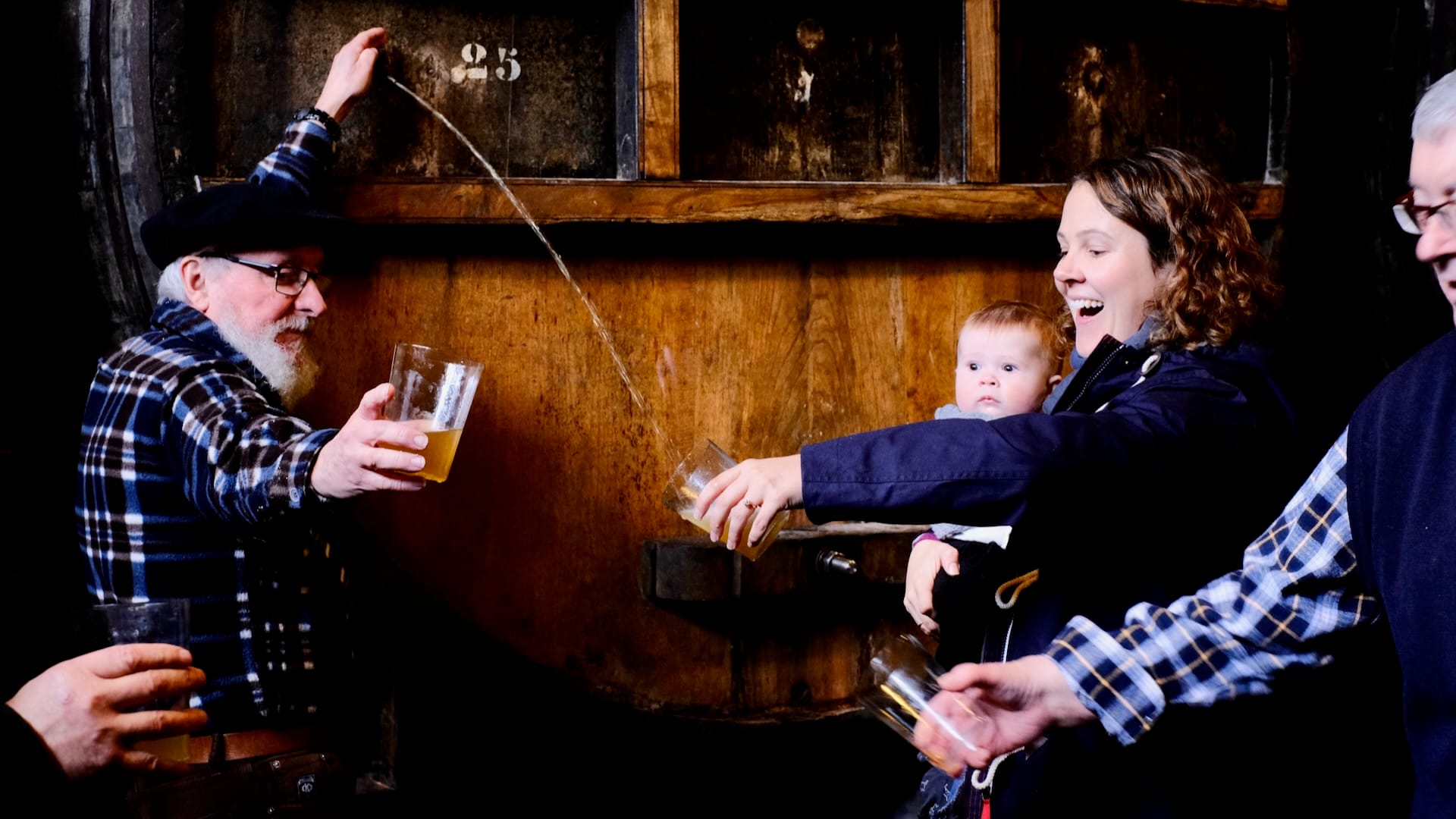
And these bars aren’t the city’s only gastronomic gathering places. There are cider houses, which only open from January to April. There are asadors, the classic grill restaurants where people come to worship seafood and beef. There are high-end restaurants, three-Michelin-starred fine-diners of incredible quality. There are gastronomic societies, members-only clubs for local foodie obsessives.
But even if you’re on your way to visit one of these, you still find time to visit a bar for a “pintxo pote”, a snack and a drink.
TIME FLIES
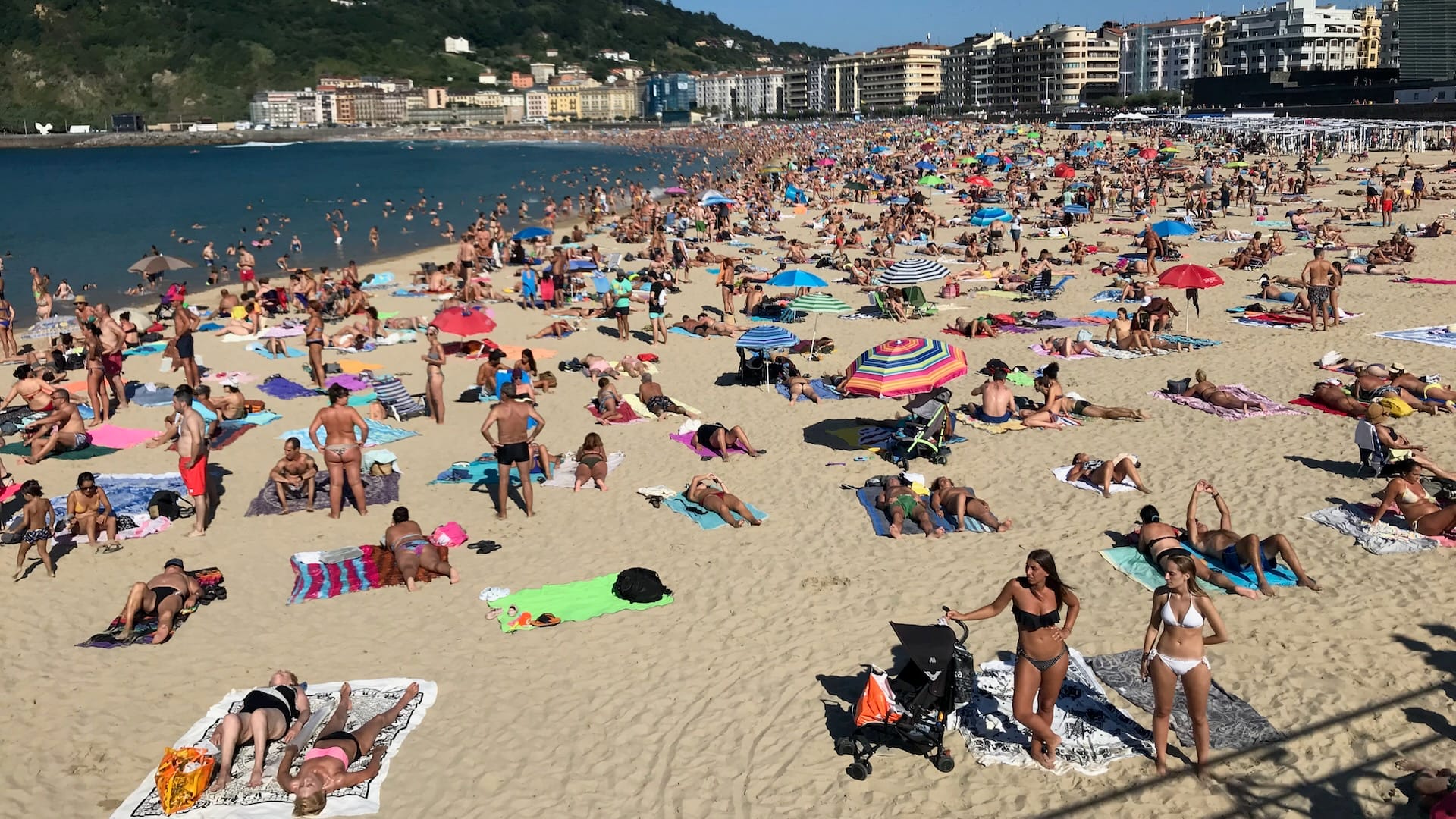
The seasons slide by over the course of a year. The trees on Monte Ulia, skeletal and grey when we arrived, turned a rich green over summer, then brown and red as the months passed. The beaches, Playa Zurriola and Playa de la Concha, were similarly bare to begin with, before the days lengthened and the temperature rose and the sand filled each day with sun-worshippers and surfers and people just out for a stroll. Beach volleyball courts and lounge chairs appeared and are eventually cleared. Beachside bars opened and then finally closed.
The crowds swelled and contracted like the tide. Around Easter, San Sebastian begins to fill up with tourists; we started to overhear English being spoken in our local bars; the Old Town got busier and busier, until eventually the locals just gave up on it and left it to the visitors for the height of summer.
Life in our apartment block changed very little over the course of 12 months. The neighbours to our right remained unfailingly friendly and sweet. The neighbour to our left remained unfailing rude and unwelcoming. We amused ourselves by moving our junk mail into his letterbox. We smiled and greeted everyone else in the local language, Euskara. “Kaixo,” we’d say. It was always returned.
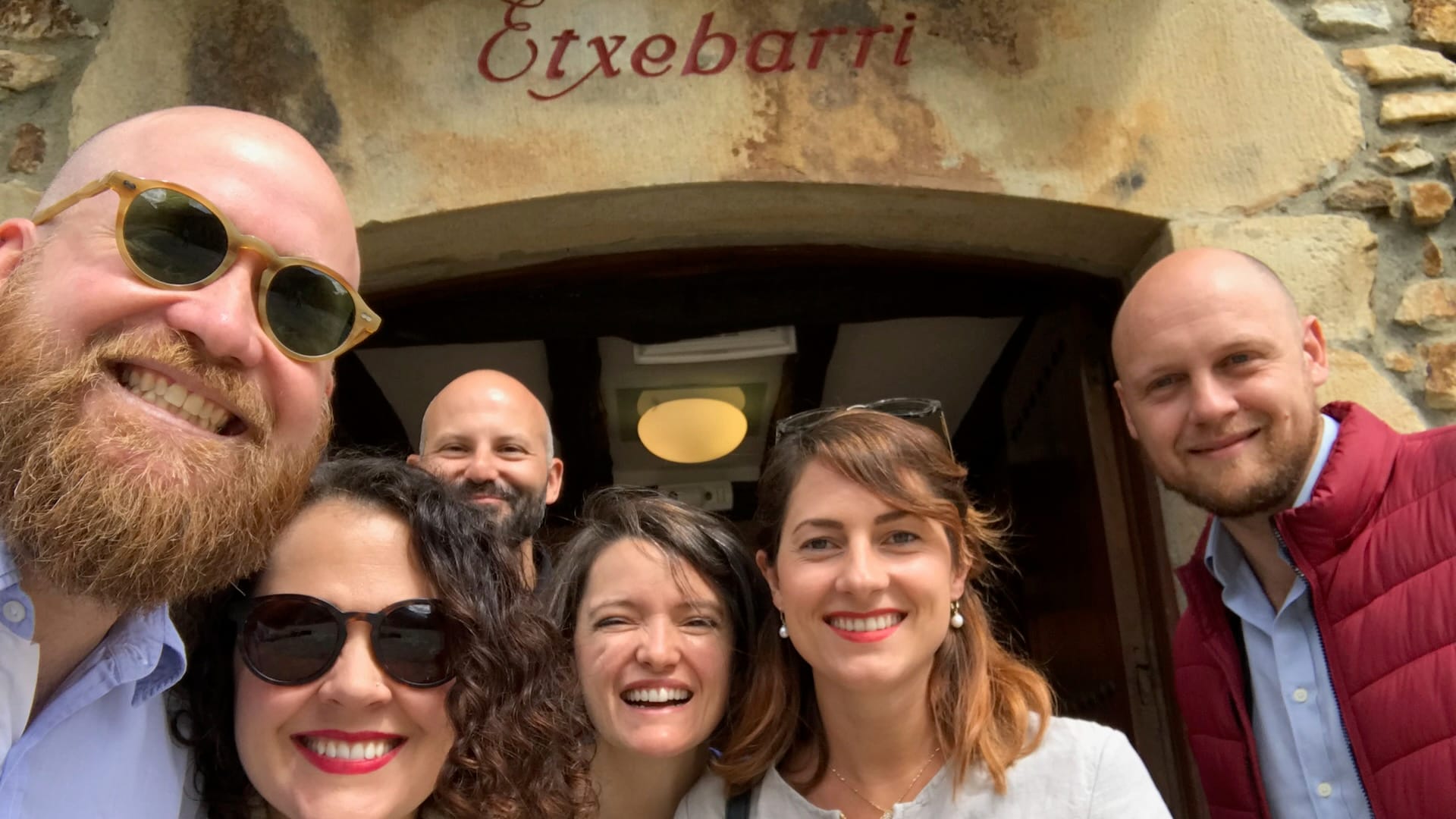
Everyone loved “Ung-goose”. Our neighbours all cooed at him and asked after him and gave him little presents. The bartenders at our favourite snacking venues were all very familiar. He got a warm welcome at Bar Desy; he was handed little hunks of bread at Gerald’s. Even the surliest beer-slingers in the Old Town gave him a smile.
It took a full year to begin to feel at home in San Sebastian, to understand this place, to pick up its rhythms and understand its quirks. We embraced all that we could of Basque culture: we ate Basque food, we watched Basque sports, we wore the “txapela”, the traditional beret, we drank cider and devoured rare steak and cheered on Real Sociedad in our white and blue. We felt what it means to be Basque, at ease with the knowledge that we never truly would be.
We stood on that pier by the beach every morning and watched as the city awoke, we made a point to see it and feel it and appreciate San Sebastian from a distance, in the same way we always would in a far more spiritual and real sense. But we lived in this place. We were part of it. And that sensation will never fade.
The finer details
- We rented a holiday apartment for an entire year through FeelFree Rentals, a local real estate agency. It was a furnished, three-bedroom apartment two blocks from the beach in Gros, and it cost us about the same amount as we had been paying for an unfurnished two-bedroom apartment in Marrickville.
- We found a brilliant babysitter, eventually, through a website that doesn’t exist anymore, though the likes of babysits.es will be able to help you. Sitters in San Sebastian charge about EUR10 an hour.
- Both Jess and I have British passports, which at the time of our travel allowed us to stay in Spain indefinitely. Spain now offers Non-Lucrative Visas to Australians (and many others), who can secure a one-year (renewable) stay in Spain if they can demonstrate they have enough income or savings to support themselves in the country without working.
The Food + Travel Edit is a community-funded newsletter, and your support is very much appreciated. Please consider upgrading to a paid subscription, for just $5 a month, or $50 a year.
Member discussion