The dish I've eaten my entire life
I still make the food that my grandmother cooked for me. That’s going to sound impressive, like I have been inspired by my Italian nonna’s hand-rolled orecchiette, or my Chinese nainai’s perfect soup dumplings. But it’s not like that.
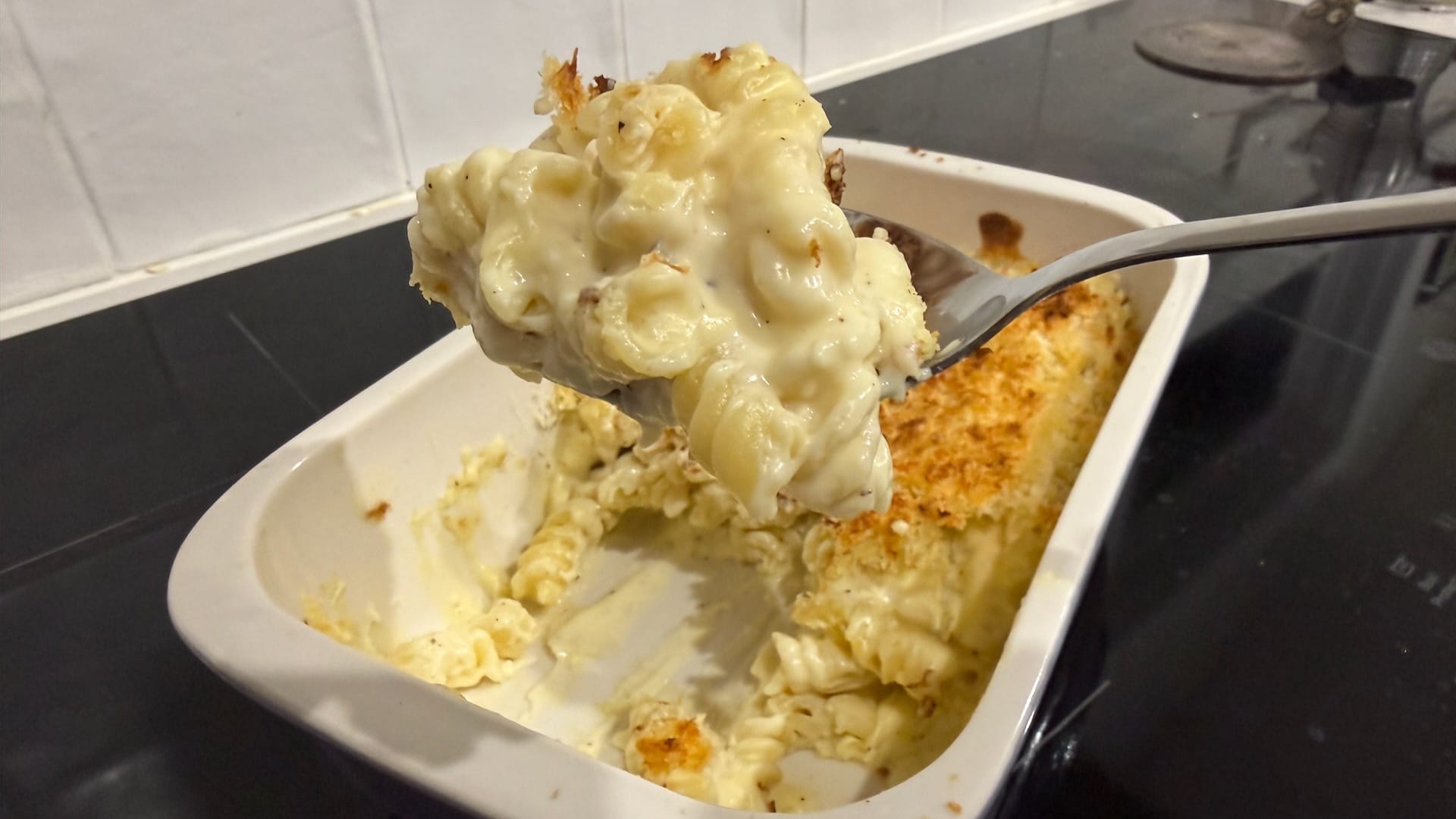
My granny used to make macaroni cheese. It was her signature dish, and maybe even her only dish. I don’t have any memories of other meals she might have cooked for me, and from everything I’ve been told she wasn’t a passionate cook.
She was Anglo-Australian, but spent a long time living in Hong Kong and Singapore when my dad was young, when there was staff in the house to prepare the meals, so she didn’t get a lot of practice. I don’t know how mac and cheese, such a classic American dish (surely relatively rare in the 70s) came to enter her cooking repertoire, or how it became her favourite.
But everyone really liked her macaroni cheese (as my family still calls it), and so she made it a lot, and then my mum started making it a lot – we would have it every Sunday night for a while – and then I started making it. A lot. I still make it, as far as I’m aware, to the same very basic recipe as Granny: a simple bechamel mixed with grated cheddar, then elbow pasta, slices of tomato and cheese on top, grill it till it’s brown.
It’s fair to say that other people’s grandmothers made better food; and that maybe I didn’t inherit the greatest culinary legacy from my older family members. I don’t remember much about my maternal grandmother’s cooking either, though I do know that my mum to this day doesn’t eat meat due to the trauma of stringy lamb at childhood dinners.
So I look now at the trend among chefs and other great cooks to replicate or pay tribute to the food of their grandmothers with jealousy.
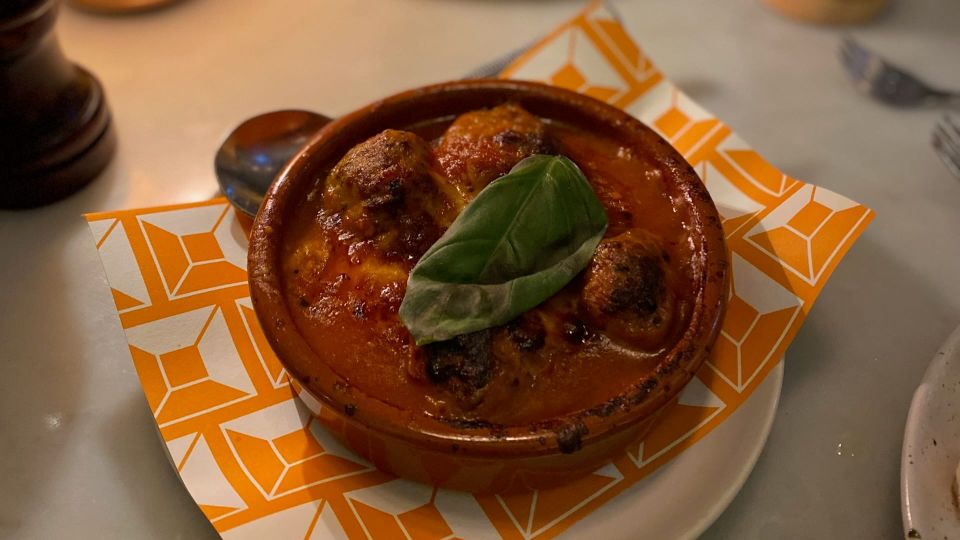
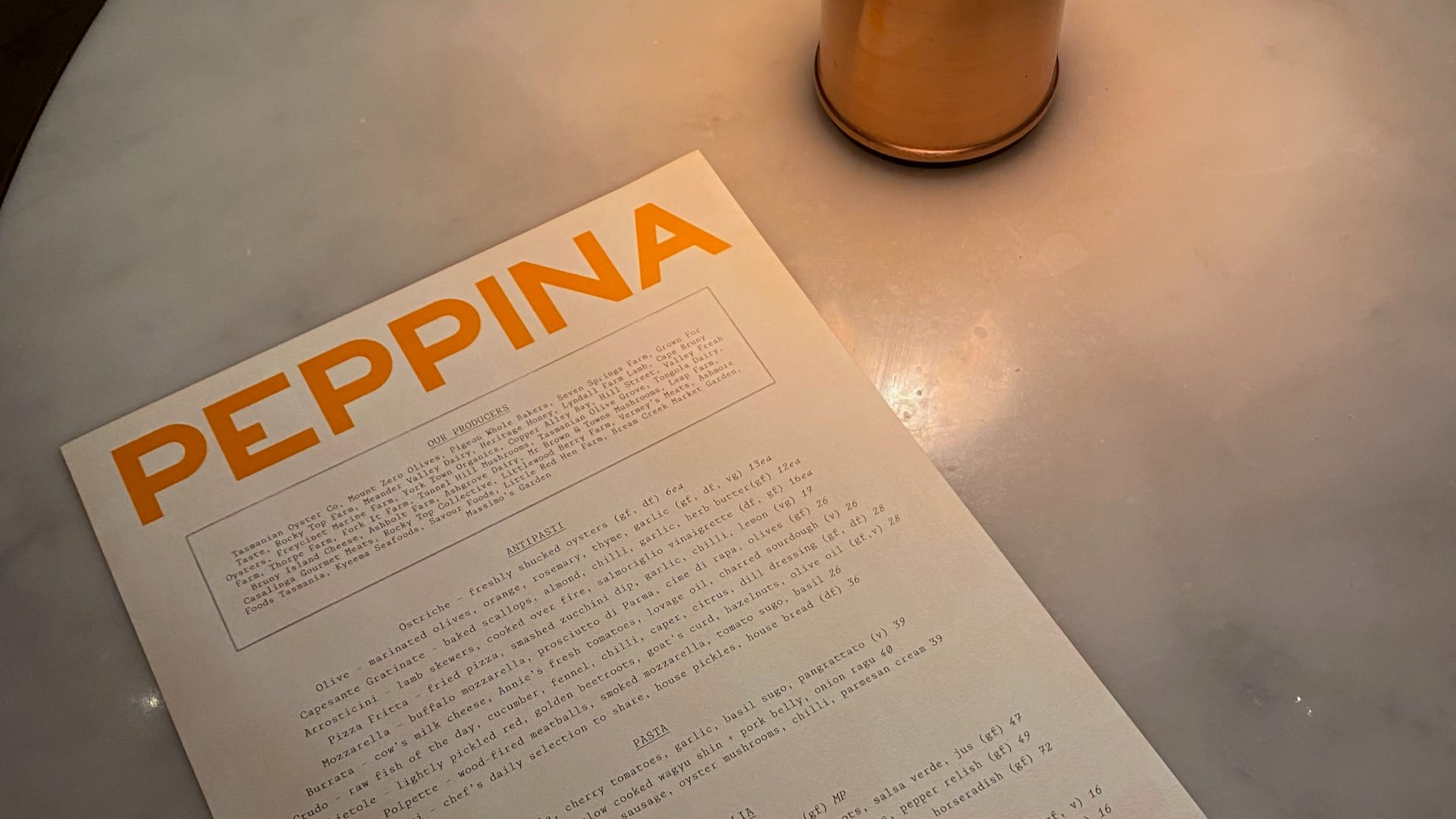
Cast your eye around Australia and you will find a heap of restaurants with old-timey names that turn out to be tributes to the influence of former generations. Sydney’s Med-inspired eatery Bessie’s is named after the chef’s grandmother; Ho Jiak chef Junda Khoo has been inspired by his grandmother (Amah, his Chatswood eatery, means grandmother); Curtis Stone has named LA restaurants after each of his grandmothers; Peppina in Tasmania is a tribute from chef Massimo Mele; Baba’s Place needs little explanation.
Sink your teeth into the world of fine-dining outside of Australia, too, and you find chefs waxing lyrical about the memories of their grandmothers’ cooking. You can see it in the way they’re seeking to replicate but refine the inspirational cuisine they enjoyed in their childhood, not to mention the sense of comfort and hospitality that went with it.
You can’t help but feel a little ripped off when you’ve only got mac and cheese to fall back on. I can’t see myself opening a restaurant with “memories of Granny’s mac and cheese” on the menu.
The Food + Travel Edit is a community-funded newsletter, and your support is very much appreciated. Please consider upgrading to a paid subscription, for just $5 a month, or $50 a year.
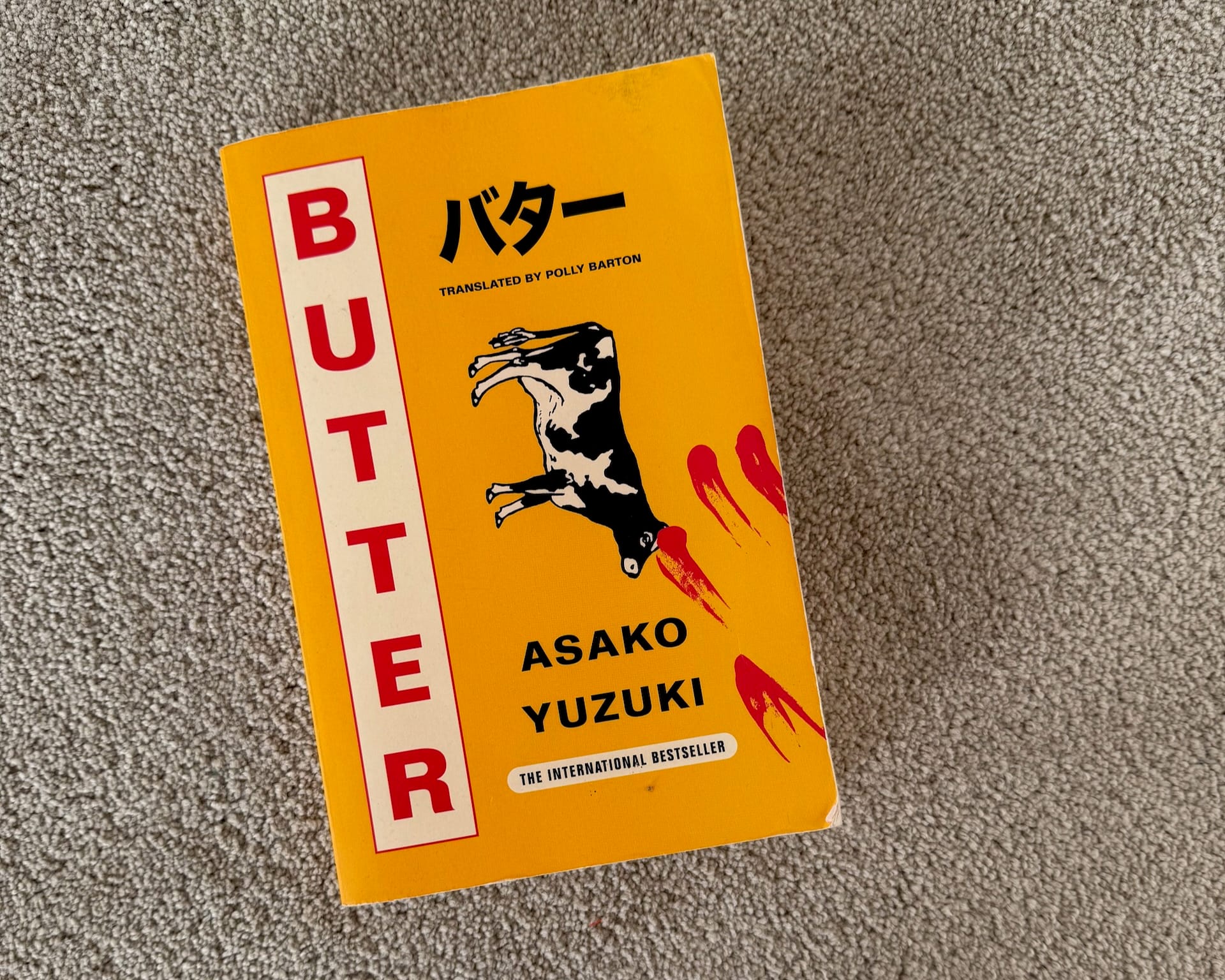
I’ve been thinking about this recently after reading Butter, the hit novel by Japanese writer Asako Yuzuki. It’s a great read, if a little flabby in places. And the title isn’t metaphorical: much of the novel is about butter, the dairy product.
There’s a long and memorable description towards the beginning of the book of the main character Rika’s experience of eating cold Echire butter on hot Japanese rice: “Soon enough … the melted butter began to surge through the individual grains of rice. It was a taste that could only be described as golden. A shining golden wave, with an astounding depth of flavour and a faint yet full and rounded aroma, wrapped itself around the rice and washed Rika’s body far away.”
What a passage. That was the first experience of real butter for Rika, when she was well into her 30s.
I can relate, because we only had margarine in my house when I was a kid. This was back when everyone decided that butter was bad for you (at least I think that was the reason for its absence), so we used to slather marj on our sandwiches, and I guess we probably used margarine to make the mac and cheese, too.
I remember reading books and magazine articles when I was younger that talked about butter, in particular French butter, and to me it was this exotic ingredient that I never had the chance to try. Even now there’s a part of me that feels weird when I spread butter on a slice of toast, like this is wrong somehow, like it’s bad for me.
The benefit of a culinarily deprived childhood, however, is the opportunity to have epiphanies when you’re old enough to remember them. I can’t recall the first time I tried butter, but I do remember the first time I tried real French butter, when I was 17 on a Contiki tour.
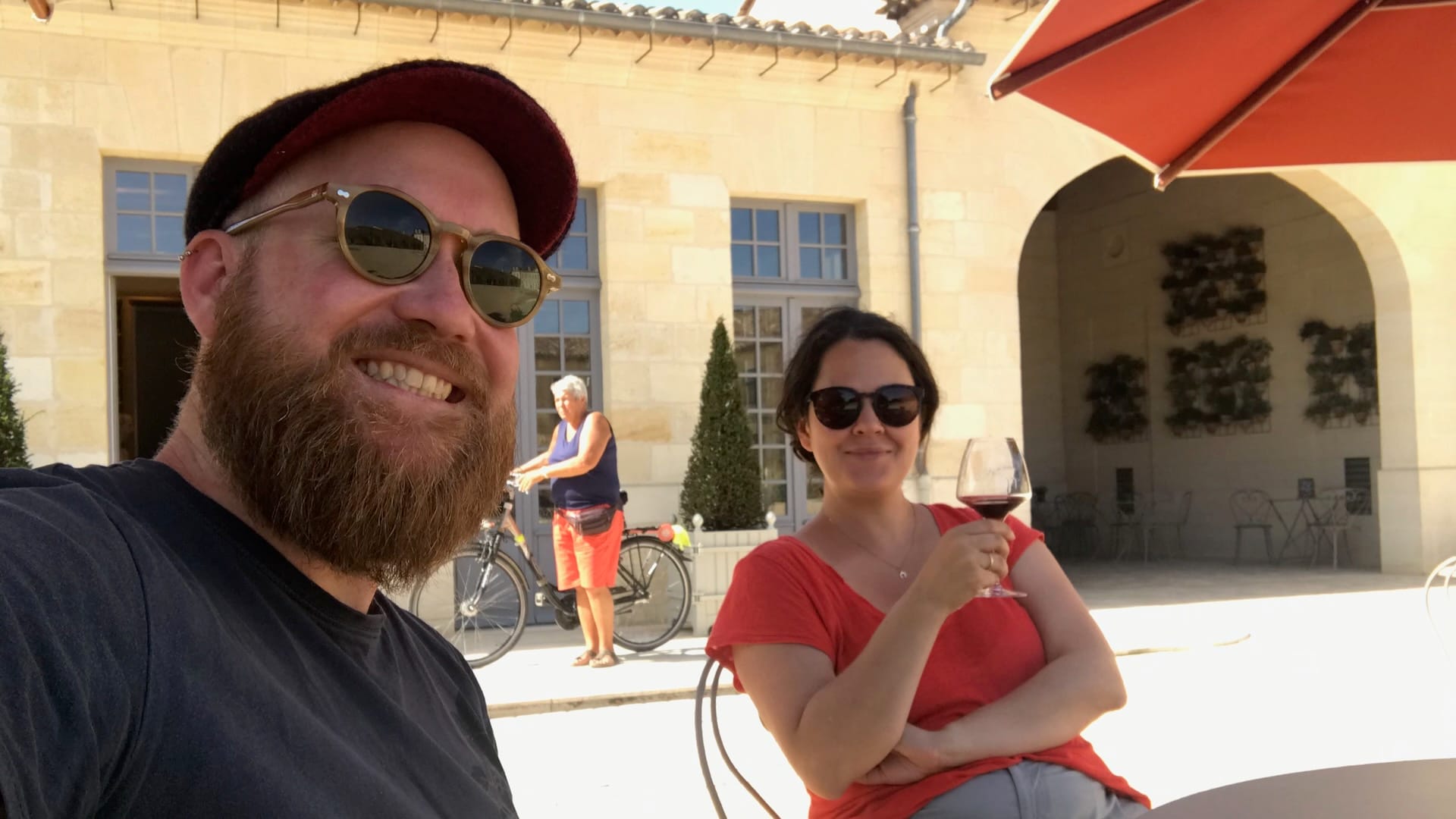
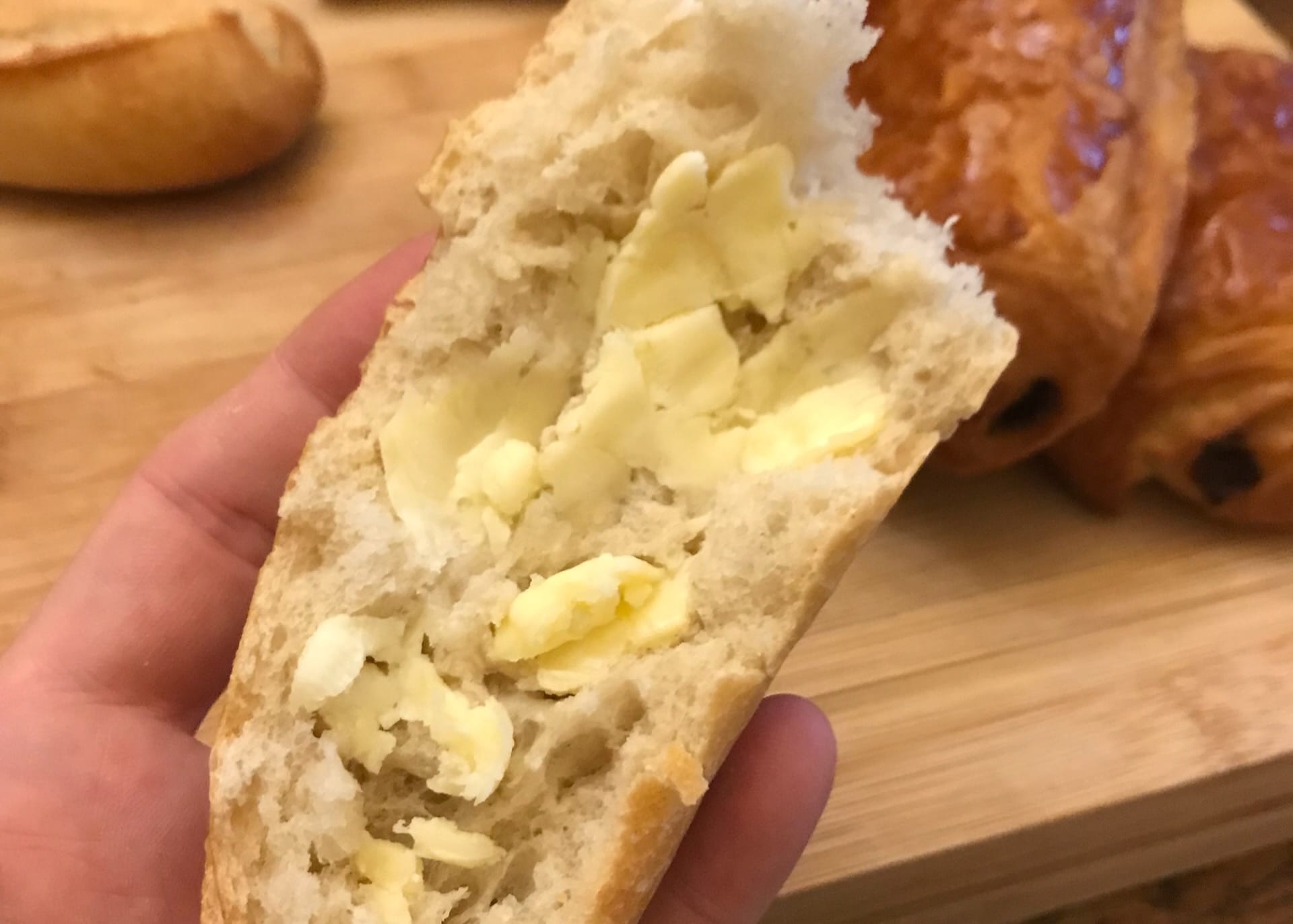
I went out to a supermarket in Paris on my own, I bought a slab of butter and a cheap baguette, I slathered it on thick, and it was revelatory: so rich in earthy flavour, so creamy and generous, caked onto a wodge of bread, as thick and yellow as a slice of cheese. Watch Jess and me try to recreate it.
I grew up in central Queensland, which was about as diverse as a loaf of Tip Top, but I did have a mate, Dave, who had moved to Australia from Sri Lanka when he was young. The smells that used to emanate from his mum’s kitchen were indescribably foreign, yet so heady and delicious.
We never actually tried any of those curries, of course. That was just not what you did. But a few years later I moved to Brisbane and got obsessed with the butter chicken and spinach naan from a restaurant called Sitar – my first experience of Indian food. I can still taste that curry, I ordered it so many times.
I have the memory of my first oyster too, in Sydney. I know when I first tasted foie gras. I remember the first time I tried sushi, and Vietnamese pho. All of this happened in my 20s, long after I’d left home.
We didn’t even have salt when I was a kid. That was another one of those bad ingredients. We didn’t cook pasta with salt. We didn’t season our food at all. I’ve only recently developed the ability to taste food and know when it’s under-seasoned; that was a sensation I just didn’t grow up understanding, because everything was under-seasoned. I lived in an under-seasoned world.
I had my salt revelation in the US. We were on a family holiday in Boston, staying with my mum’s best friend, and she made us the most incredible mashed potatoes. Just out-of-this-world good, with such a depth of flavour. I was only 13 or 14, but I said to her, next time you cook these I have to watch you, I have to know how you’re doing this.
So I watched her boil the potatoes, I watched her drain them and then add (real) butter and some milk – all normal so far. Then I watched as she reached into a salt cellar and dumped a handful of crystals into the pan.
Ah. So that’s the secret. That’s what we’ve been missing.
Fine-dining enables abusers - is it time to kill it off?
My parents were, and are, amazing parents. My brother and I were incredibly lucky kids and we knew it. They gave us their time, and their energy, and their love. They coached our soccer teams, they packed our lunches, they bandaged our scrapes, they washed our cricket whites (for a while), and they took us on overseas holidays. They inspired us in ways divorced from food.
I never knew either of my grandfathers, but I have great memories of both my grandmothers, who were kind and loving. They just weren’t great cooks.
Though, you know what I now make for my kids, and what is probably their favourite meal in the world? This is completely unfair to Jess, my partner, who is a genuinely talented cook and who makes the most creative, healthy, delicious meals, the recipes for which you might just find in these newsletters in coming months.
Our kids’ favourite is Granny’s mac and cheese.
WHAT WE’VE BEEN EATING THIS WEEK
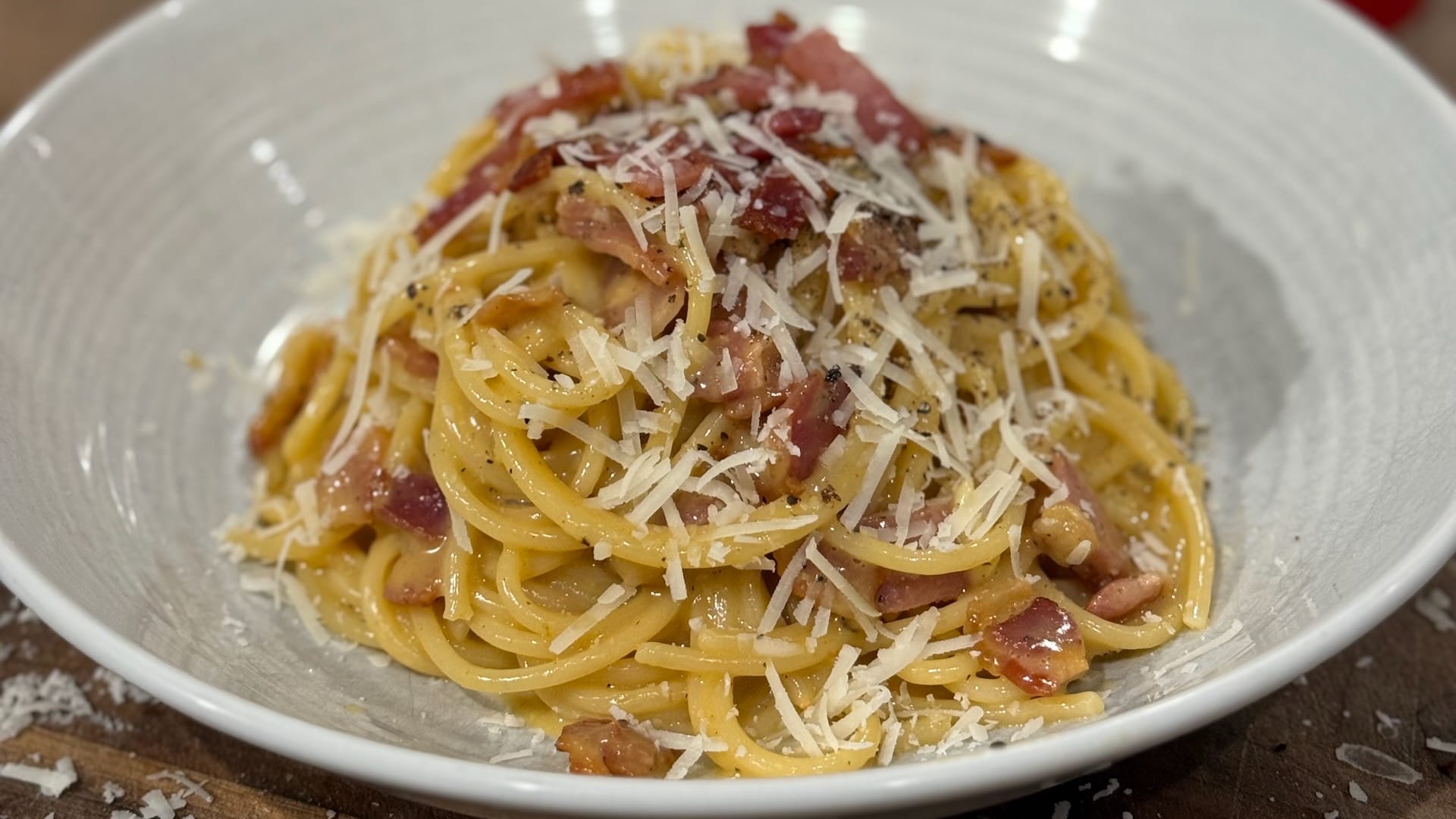
Classic comfort food at our place this week: spaghetti alla carbonara. Jess and I have been tinkering with this recipe since we’ve known each other. It’s the first meal I ever cooked for her, just a few weeks into our relationship, and a dish we’ve tried in more Roman trattorie than I can count. We stole a few ideas from those Roman chefs, adapted a few others, and eventually settled on the one recipe to rule them all. The dish we cooked this week wasn’t that recipe: it’s hard to find guanciale, or cured pig’s cheek, where we live, so this is normal old bacon. Still amazing though, hearty and comforting and, yeah, quite fatty. Check out my Instagram for our go-to recipe.
WHAT I’M LOVING THIS WEEK
- I’m writing this week’s newsletter from Barcelona, where I’m spending just one night before I head to Oviedo to begin the tour I host for World Expeditions, Picos and Pintxos. And oh, what a city. One of my favourites in the world.
- Jamon. I will say no more.
- The Great Australian School Holiday lives! Check out my column about staying in a caravan park in Byron.
- Apple’s live translate function. Slip in your AirPods and it will translate foreign-language conversations for you in real time. My Spanish is pretty rusty these days – this tool will come in handy over the next few weeks.
- For those who love Spanish adventure, my good friend Casey Merwood is a local expert who also runs amazing small-group tours to numerous regions, many of which are underappreciated by the tourist hordes.
WHAT I'M NOT LOVING
- In the recent budget the Australian government chose to raise the Passenger Movement Charge, levied on all departing passengers, by $10, taking it up to $80 per trip, putting further pressure on international airfares that are already rising.
- Restaurants charging glass-of-wine prices for peeny 60ml pours of sake. People: sake is not a spirit. It’s not an aperitif. It’s basically wine, at around 16% ABV, and should not cost almost three times the price of a glass of chardonnay.
- It will take me four flights in total to get to Oviedo, so I’m now well acquainted with the wildly differing security rules in various airports. Laptops out, laptops back in; liquids out, liquids back in; watch on, watch off. And so on…
- Last week’s newsletter about abuse in fine-dining garnered plenty of reaction online – though surprise surprise, all the people telling me to pull my head in, and that this isn’t a real issue, were male chefs.




Member discussion