What it’s really like to move overseas with a baby
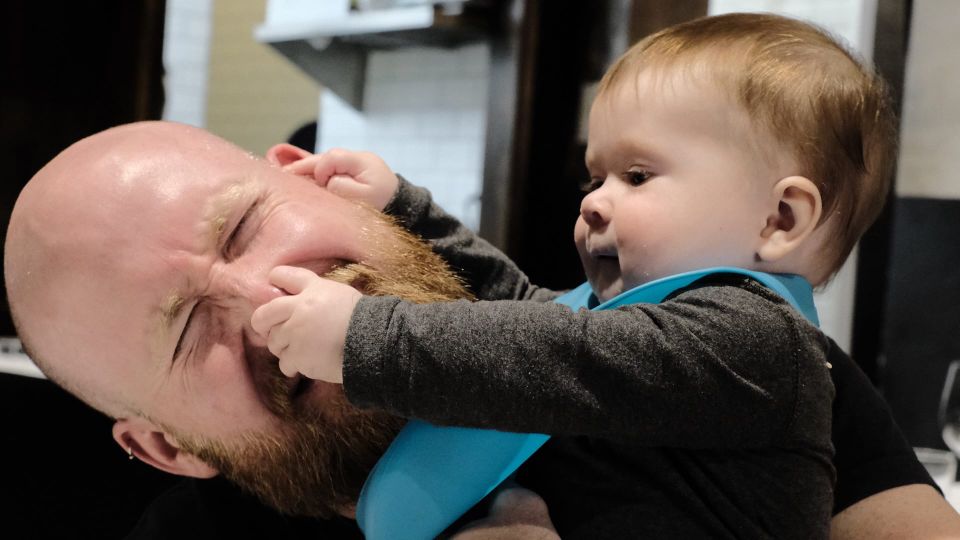
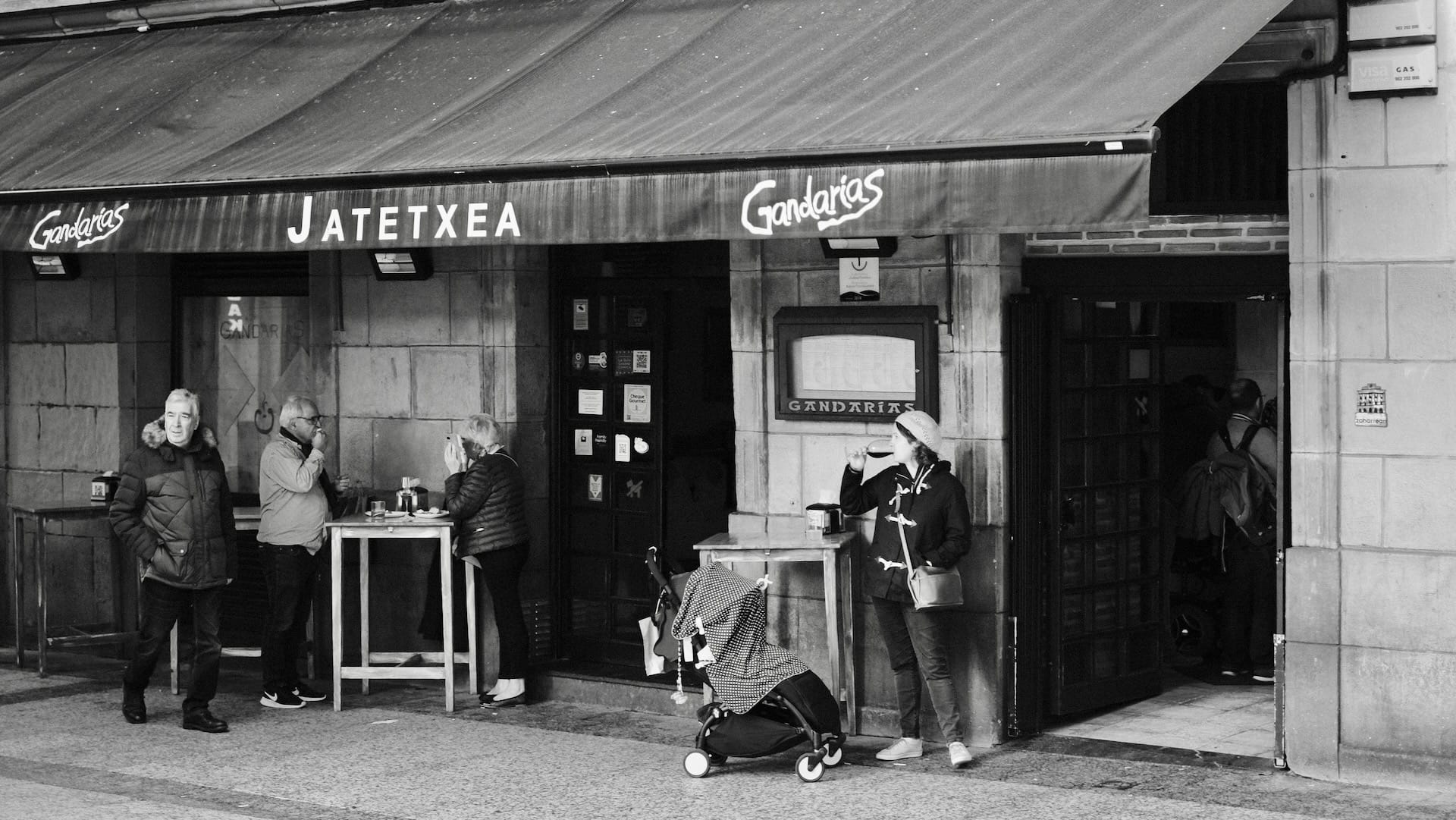
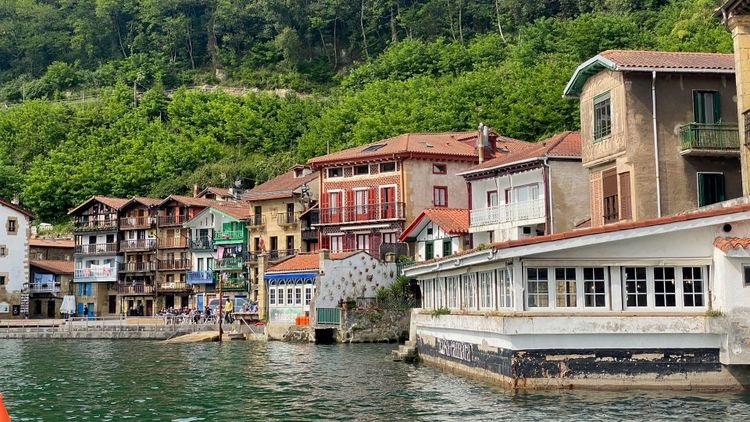
Hi there friends, this week’s newsletter comes to you once again from Spain, though this time San Sebastian, my former home. The streets here are filled with ghosts, with times gone by, people I once knew, and more than anything, my baby son, who just doesn’t exist anymore. He’s a chatty, inquisitive seven-year-old these days, but as I walk around San Sebastian today he’s still that tiny baby in a stroller. I thought, therefore, I would share with you the experience of moving to a foreign country with a small child, what it’s really like, the ups and downs, the practicalities, and whether we would do it all again.
You get to choose your own doctor at a Spanish “ambulatorio”. This is basically a community health care centre, with GPs and nurses on staff for regular appointments, plus facilities for longer stays and more serious issues.
All neighbourhoods in Spain have access to an ambulatorio, they’re as much a part of the social fabric as bars and fishmongers and supermarkets.
When you register your child at the ambulatorio, as we had to do when we moved to San Sebastian with a six-month-old baby, you get to choose which GP you want as your assigned doctor. Only, of course, we didn’t know any of the GPs. So we asked the registrar (in broken Spanish) if any of the GPs spoke English.
She shrugged. I don’t know.
Oh, we said. Could you find out? It would be very helpful for us, as beginner Spanish speakers, to have a GP we could easily converse with.
The registrar shrugged again. No. Just choose.
Okaaaaay. So we had to pick at random, going down the list of GPs and selecting one whose name sounded nice. We got to meet him a few days later and he did not, in fact, speak any English. Not a word.
The Food + Travel Edit is a community-funded newsletter, and your support is very much appreciated. Please consider upgrading to a paid subscription, for just $5 a month, or $50 a year.
But once you’ve chosen your GP you are stuck with your GP, so we had to communicate with him for a year in bad Spanish and Google Translate.
Baby on board
This is the thing I didn’t write about a few weeks ago. I told you what it was like to move to San Sebastian and to live in a foreign place for a year. What it means to be Basque. What it’s like being a stranger in an intoxicating and foreign place.
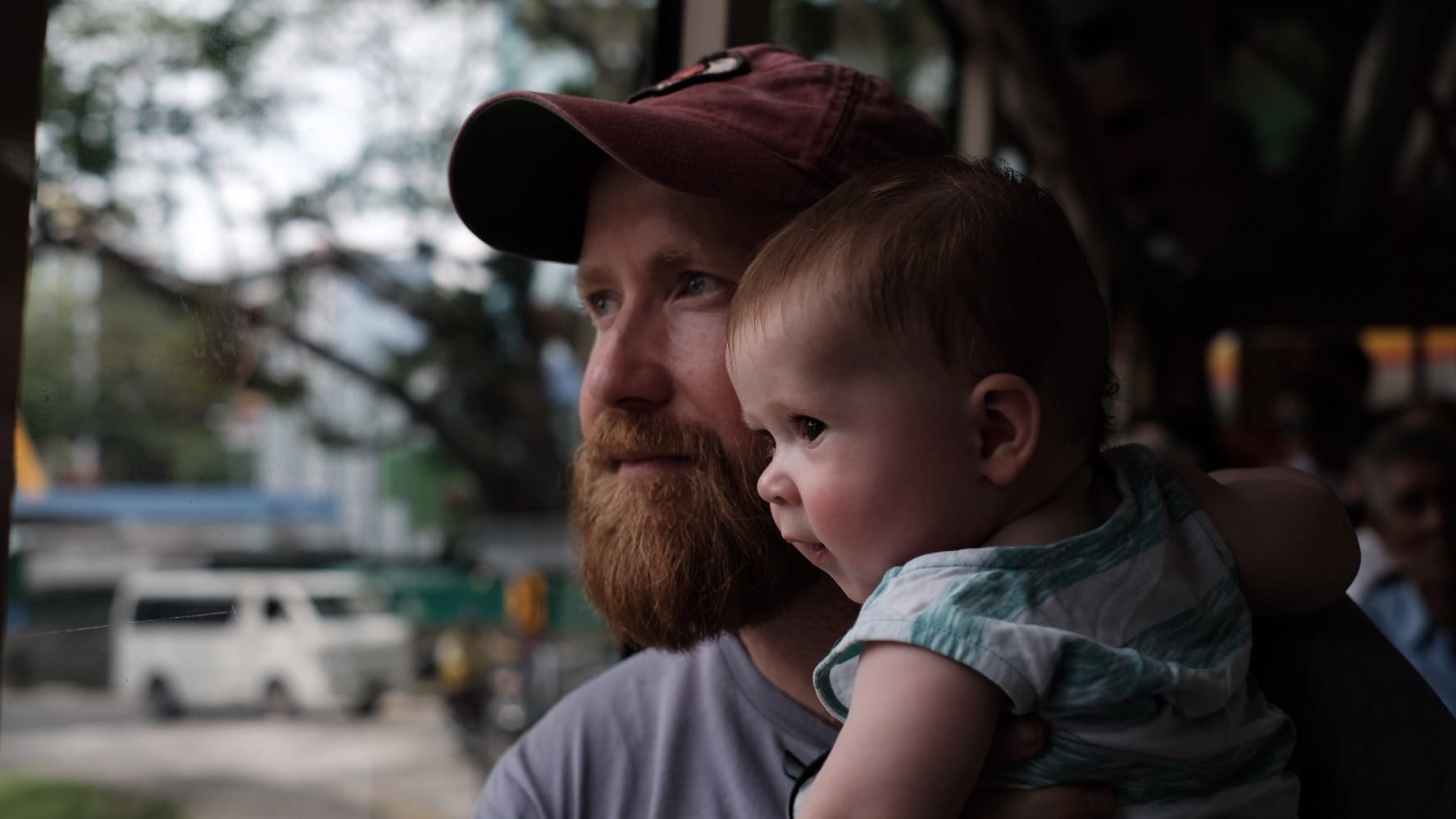
But what I didn’t mention was the practical experience of doing all of that with a small child. This seems like the ultimate in some ways, to utilise your maternity leave and your freelance career and move to another country with a baby, to live the dream while dealing with the occasional parenting nightmare.
But I’m here to tell you: it’s not easy. If we had known what we were getting ourselves into, we maybe wouldn’t have done it.
Let’s start with the good points, the positives. People love babies in some countries, and if you visit those places you will be welcomed with open arms. In Spain, children are a normal, natural part of a mixed-generation society: they’re welcome in bars and cafes, there are plenty of facilities for them for outdoor play.
People like kids in Spain, they will ask you about them and smile and wave at them.
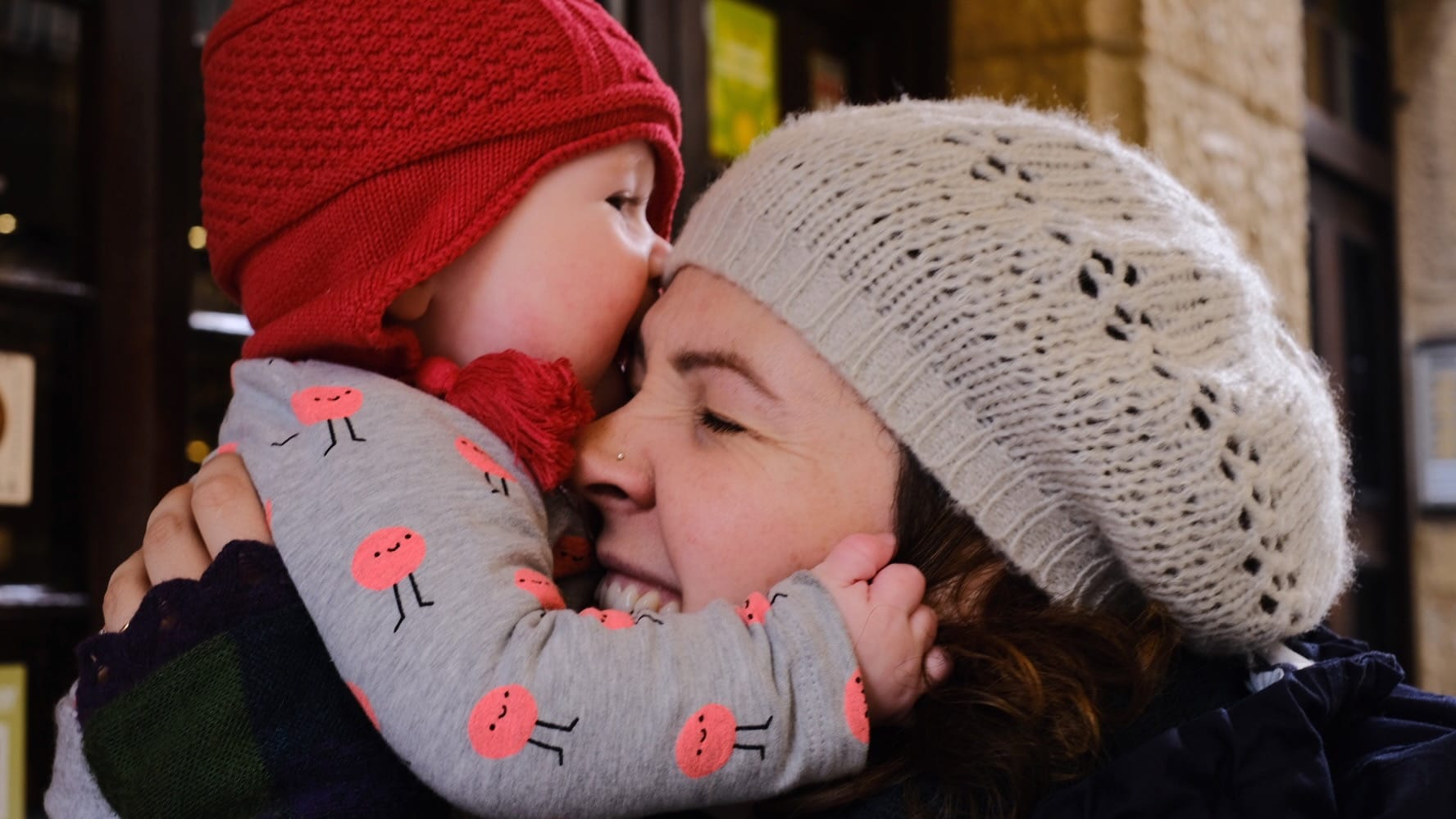
Same goes in Italy. Our son Angus had a little red beanie that he wore when we visited Rome, and locals would stop on the street to coo over him and touch his cheeks and call him “pomodorino!”, or “little tomato”.
Change of pace
Travelling with a baby forces you to slow down, too, which really isn’t a bad thing. It forces you to stay in one place for much longer than we usually would, and curtail excursions that aren’t necessary. When we lived in San Sebastian we spent a lot of time in San Sebastian. That’s a good thing.
Oh, and that ambulatorio? The service there was free. Angus saw GPs and had vaccinations and we didn’t have to pay a thing.
Something else you will love about travelling with babies: they sleep a lot. You can chuck them in a stroller and walk them around and there’s a good chance they’ll drop off for an hour or two. You can fit them in a bassinet on a 14-hour flight and they will (probably) go to sleep for a reasonable amount of that time.
Try doing that with a two-year-old. Babies, in many ways, are easier than toddlers.
On the flipside
But OK, let’s talk difficulties. Getting anywhere with a baby is a nightmare, due in part to the sheer amount of stuff you have to carry. We left Australia with a car seat, a stroller, a porta-cot (most hotel-supplied porta-cots don’t meet basic safety standards), a pile of nappies and changes of clothes, baby food, bottles for milk, plus our own clothes and supplies for a year of travel.
We hired a VW Polo to drive from Barcelona to San Sebastian on our arrival in Spain and you could not have fit an extra cigarette paper into that car once we had loaded all our stuff in.
And then you’re in a foreign country where you don’t speak the language and you don’t know anyone. We took ourselves away from our support base, away from the friends and family who would have been able to help with childcare and just letting us get some sleep. It took us maybe four months before we found a babysitter we trusted, which was four months in which at least one or both of us was looking after a tiny child at all times.
If your baby gets sick overseas, you have to deal with that in another language. If, like Jess and me, you have passports that allow you to stay indefinitely in Spain but your child doesn’t, then you have to spend literally months lining up at the Oficina de Extranjeria (the migration office) and the police station and gathering all the necessary documents, including a notarised birth certificate, to secure his right to stay.
Nap schedule
Babies need to nap twice a day, and ours didn’t nap so well in a stroller, so our daily schedules had to be built around being home at those times. You can go to fancy restaurants with a baby in Spain, but if your baby decides to chuck the shits that day – as ours did at Casa Julian, a legendary steak restaurant in Tolosa – then you’re in for a very bad time, which will still cost you a lot of money.
Babies don’t go to school, or daycare, so they’re just with you all the time. No breaks, no relief. Any time you disrupt your baby’s routine, even just a little, your life becomes hell – and trust me, the act of travel disrupts your baby’s routine a lot. Every car trip was a game of roulette. Like, how will he be today?
The rub
This is not a holiday: it’s a “trip”. It’s work. And despite so many people remarking on what an amazing experience it would be for Angus, what a gift it was for him to begin his life with this big adventure, he doesn’t remember even the tiniest part of it. We knew all along that he would have been just as happy, if not happier, in Marrickville.
Is it worth it? I mean, yeah, it is. We would do it all again, even with everything we now know, even with the hardships. That year in San Sebastian might not have been life-changing for Angus, but it was for us, and that is worth so much.
Even the odd doctor’s appointment with Google Translate.
WHAT WE’VE BEEN EATING THIS WEEK
So many incredible meals to choose from, as I’ve made my way through northern Spain on my “Picos and Pintxos” tour with World Expeditions. We’ve travelled from Ribadesella on the coast of Asturias, up into the Picos de Europa mountains, and into the Basque Country via Bilbao and Getaria to San Sebastian.
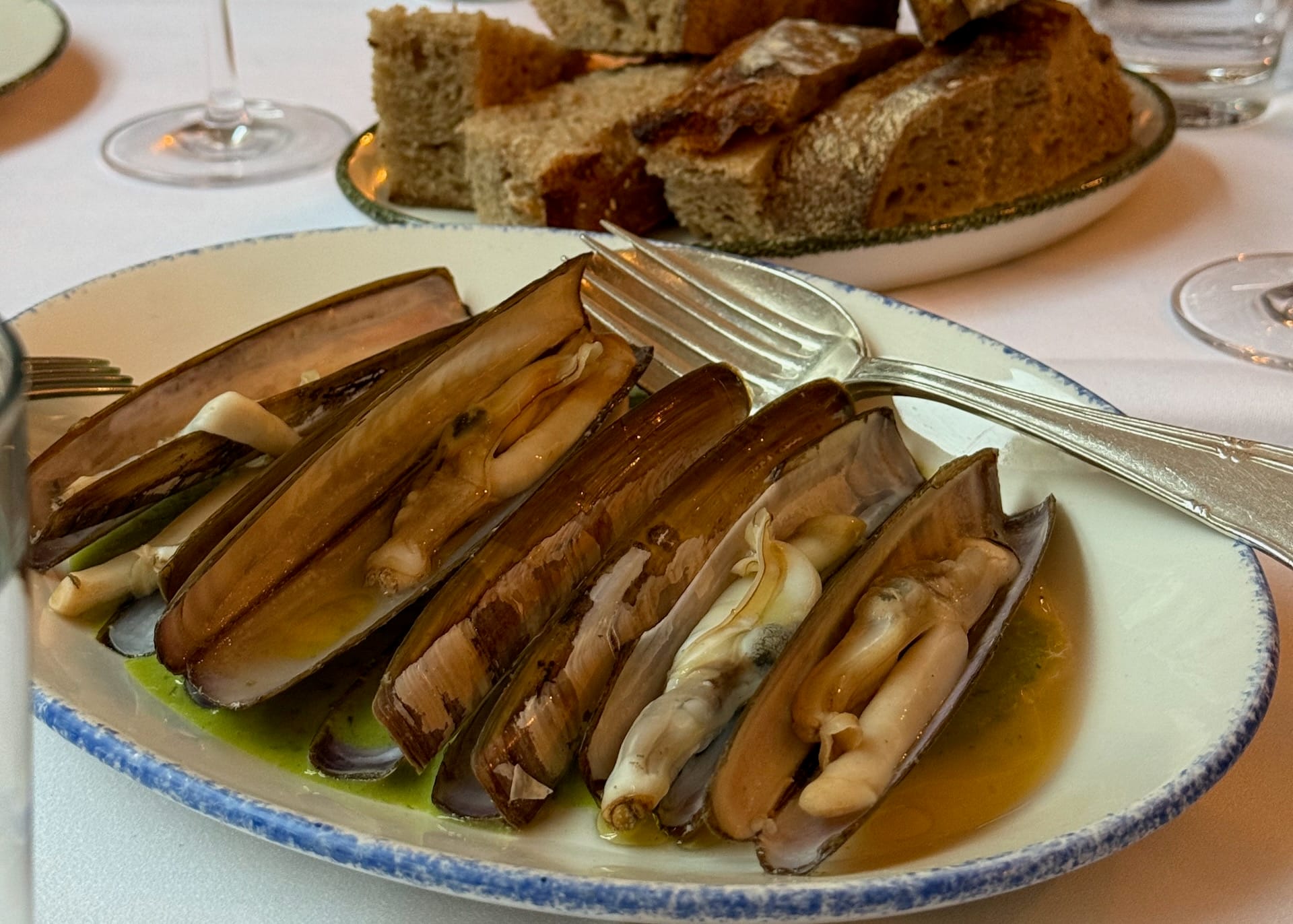
Perhaps the highlight was a visit to one of my favourite restaurants in the world, Gerald’s Bar in San Sebastian. Here, chef Jess Lorigo cooks without ego but with a whole lot of love, food that is fresh and seasonal and pure. Her dish of razor clams with a piquant salsa verde was perfection, closely followed by white asparagus with sour apricots, cherries and hazelnuts, and pork shoulder with summer onions.
This sort of cooking inspires you to get in the kitchen and experiment – though sadly, the produce at home will never be as good.
WHAT I’M LOVING THIS WEEK
- On Turkish Airlines recently I got to experience “poor man’s premium economy” – when you have a spare seat next to you – and “poor man’s business class”, when you have a whole row free. Love to see it.
- Taiwanese food is finally starting to get its moment in Australia – though I’m not sure I want bubble tea cocktails.
- Latin America is back! I’m a huge advocate for travel in South America but the continent has been struggling to bounce back since the pandemic. That seems to be changing though, as World Travel & Tourism Council data released this week shows tourism in Central and South America is outpacing global growth.
WHAT I’M NOT LOVING
- The continued “do not travel” status of UAE and Qatar by Australia’s Department of Foreign Affairs and Trade. These countries are not at war, and life there goes on smoothly; yet if you try to fly through there you won’t be covered by insurance.
- I’ve written this week about the most annoying rip-offs in travel, though front of mind, after visiting Istanbul, is airports. Coffee at Istanbul Airport costs about $15. A kebab with a few sides costs $65. It’s outrageous.
- One of my favourite little Kiwi restaurants, Rita in Wellington, this week announced that it will close at the end of the year and reinvent itself as a deli and produce shop. It’s bittersweet, as I’m sure the deli will be great – though get to the restaurant while you still can.
Member discussion