What NZ’s Michelin stars mean for Australia
Hi there friends, and welcome to this week’s edition of the Food + Travel Edit. Recently, I have been glued to the TV for several reasons: mostly the FIFA World Cup, but also the awards ceremony for New Zealand’s first Michelin Guide. I’m a huge fan of the food across the ditch, a scene I think is seriously underrated, so it was great to see it recognised on a global scale. But what does that mean for South Australia’s launch later this year? Scroll down, too, for some very basic but delicious Japanese home cooking, and to find out about Ryanair getting its comeuppance.
Does anyone else get the feeling New Zealand has cut our lunch? The Kiwis celebrated the arrival of the famed Michelin restaurant guide a few nights ago with a ceremony that might have seemed a bit amateurish, though the culinary talent on display was anything but.
New Zealand now has 15 Michelin-starred restaurants. One of them, Essence in Queenstown, has two stars. This is a raging success for the Kiwi food scene, and deserved recognition of the skill and dedication of the hospitality staff across the ditch.
The Food + Travel Edit is a community-funded newsletter, and your support is very much appreciated. Please consider upgrading to a paid subscription, for just $5 a month, or $50 a year.
I'll say it again: New Zealand has Michelin stars. They paid for Michelin to be there, of course; the Kiwi government has shelled out more than NZ$6 million (A$5 million) to attract the French tyre company and its band of anonymous inspectors. But Tourism Australia has had the chance to do the same thing on numerous occasions over the past decade or so and has chosen not to invest.
Was that the right call? Only time will tell, though Australia does have Michelin coming, after the South Australian government cheekily side-stepped the federal system and chose to pay for its state’s own guide, which will launch in October this year.
The Kiwis have cut our lunch, but South Australia will have a feast of its own.
To be clear: governments don’t pay for good reviews from Michelin. They don’t pay for stars. They pay for coverage. They pay for Michelin to publish a guide to their country or state or region, but they don’t decide how many stars will be awarded or even how many restaurants will be deemed worthy of inclusion in the guide.
This may seem like a gamble for South Australia, but the idea is that any stars, or any Michelin inclusions, will draw visitors interested in food. Michelin is a global benchmark, a way for local chefs and the hospitality scene in general to judge itself against the rest of the world, but also for the rest of the world to have a barometer of its quality. And New Zealand has done very, very well.
Here’s what this week’s ceremony, and its associated stars and inclusions, means for South Australia.
Stars will be awarded
Someone in the Kiwi government told me a few months ago that New Zealand was expecting a total of 30 stars from Michelin. I don’t know how accurate that was, but it was always wildly ambitious, if not delusional. Buenos Aires, a city with a larger population than New Zealand, and one with an amazing food scene, has a total of five stars. The Philippines has a total of 10 across the entire country.
So let’s disregard that delusion and concentrate on the good stuff: New Zealand has done incredibly well. Fourteen one-star restaurants and one two-star restaurant, not to mention 35 “Bib Gourmand” classifications, is a huge result that will draw the attention of food-loving travellers the world over.
It also makes it clear to South Australia: you can expect stars, and Bib Gourmands (Bibs Gourmand?). There was some concern that Michelin wouldn’t “get” antipodean dining, that the snobby European inspectors wouldn’t understand the more laidback style of haute cuisine we do in these parts, but that’s clearly not true.
The stars are coming in South Australia.
Michelin ain’t woke
And those stars, going by the New Zealand announcement at least, will be awarded to white men.
There’s clearly no effort being made towards DEI over at Michelin, as you would have noticed with a cursory glance at the stage at any moment during the New Zealand award ceremony. Only one of NZ’s 16 stars was won by a female chef. The Bib Gourmand and general inclusion restaurants followed a similar pattern, with more white guys on stage than a TED Talk.
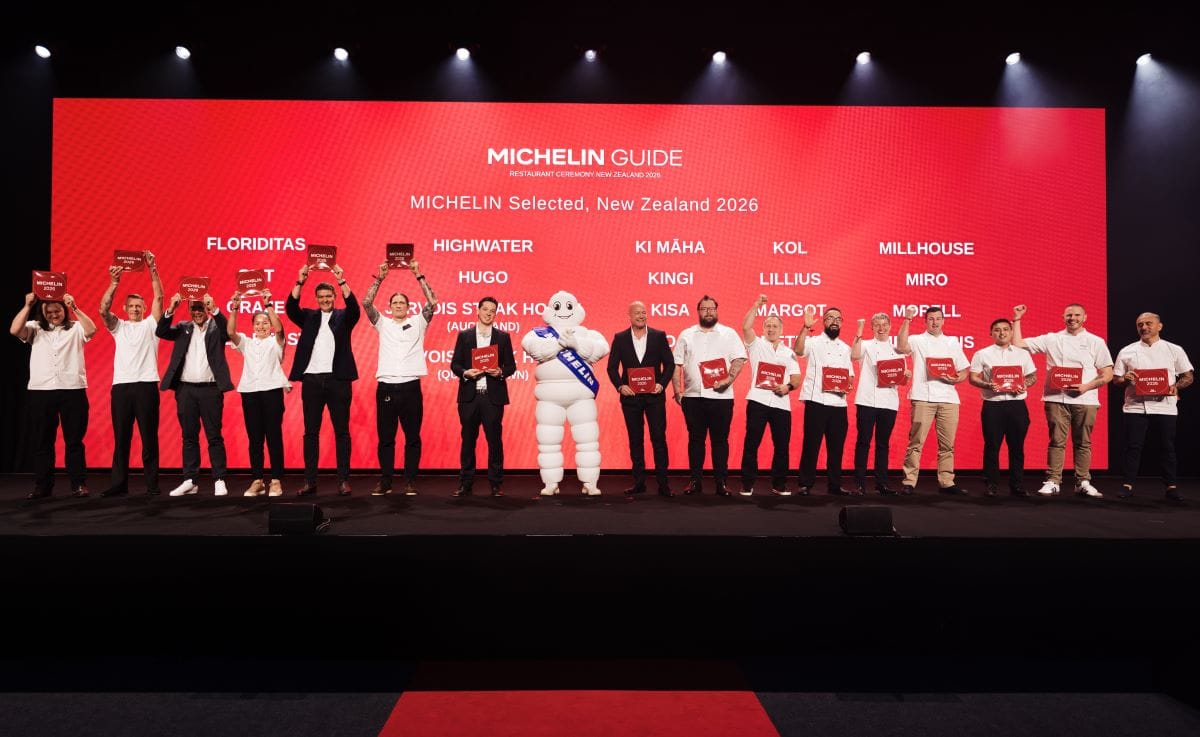
This, of course, is broadly representative of the industry, which tends to be dominated by men. And it will probably continue to do so if Michelin has anything to do with it.
Speculation was also rife over what Michelin would do with Amisfield, the Queenstown fine-diner whose star chef and creative driver was – ahem – “encouraged” to resign a few months ago after a string of sexual harassment claims, which until then had been covered up by the restaurant’s owners despite going on for years.
Cuisine Magazine, New Zealand’s leading restaurant guide, ditched Amisfield entirely from its coverage after the allegations came to light. Would Michelin do the same, given Amisfield’s tawdry recent past and missing chef?
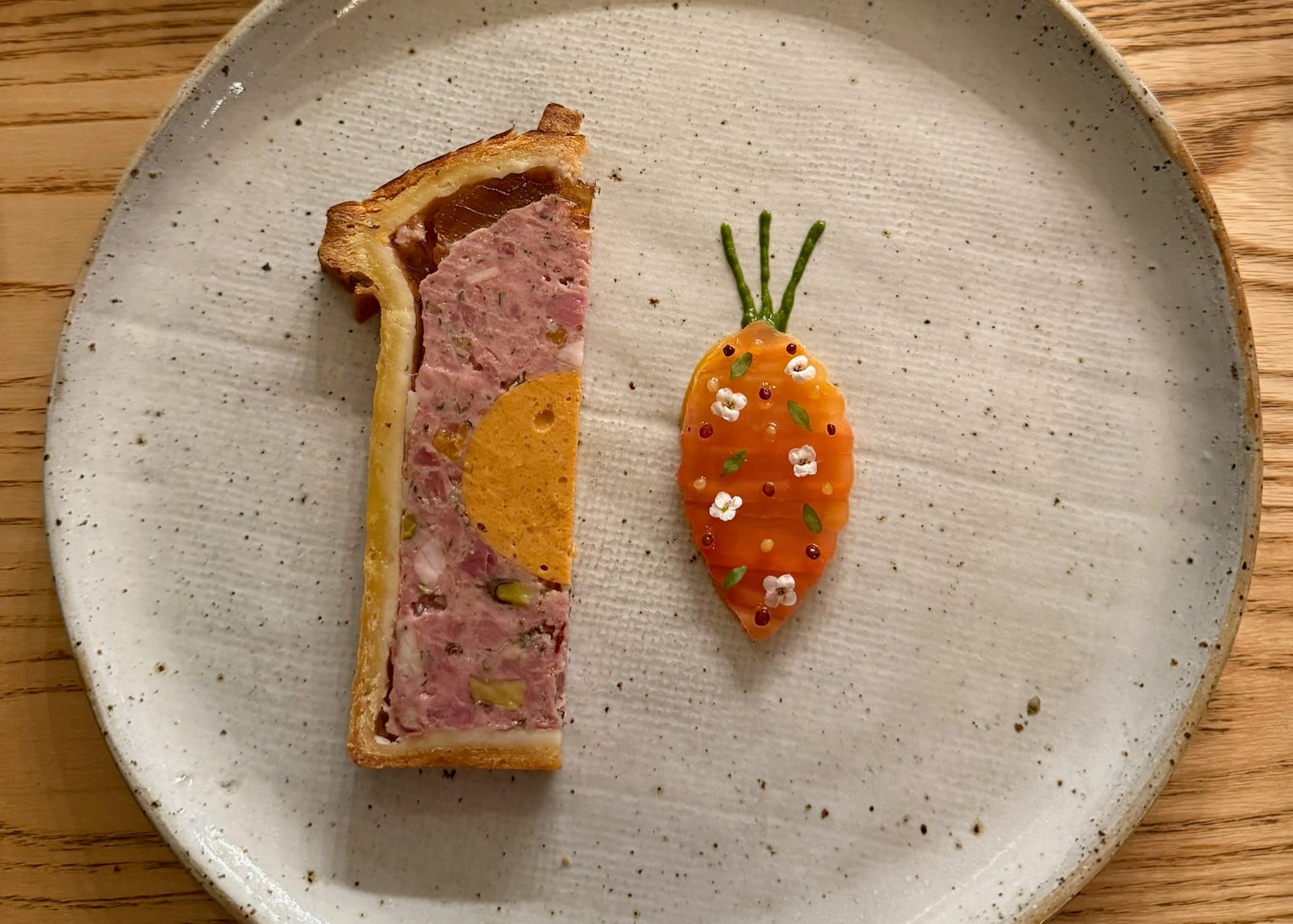
Um, no. It was awarded a star.
Euro technique rules
Take a look at the starred restaurants and check out the cuisines they offer. It’s clear that European technique rules as far as Michelin is concerned, and even better if it’s cooked by a chef who trained in the heartland.
Six of the 14 winners of stars in New Zealand this week (including Paul Froggatt from two-starred Essence) are either French-born or British, and many more learned their trade in the UK and mainland Europe. The food they’re turning out is undoubtedly Kiwi, with an impressive focus on local produce and seasonality, though it’s also underpinned by French technique, and quite often served as degustation-style set menus.
There are outliers, of course. Tala, probably the world’s first and perhaps only Samoan fine-dining restaurant, is entirely singular, purely a product of chef Henry Onesemo’s passion and talent. Ortega Fish Shack, in Wellington, is a humble joint where you can pick up main dishes for less than NZ$50.
But those South Australian restaurants that can expect a star will probably be serving European-style tasting menus.
Asian food exists… right?
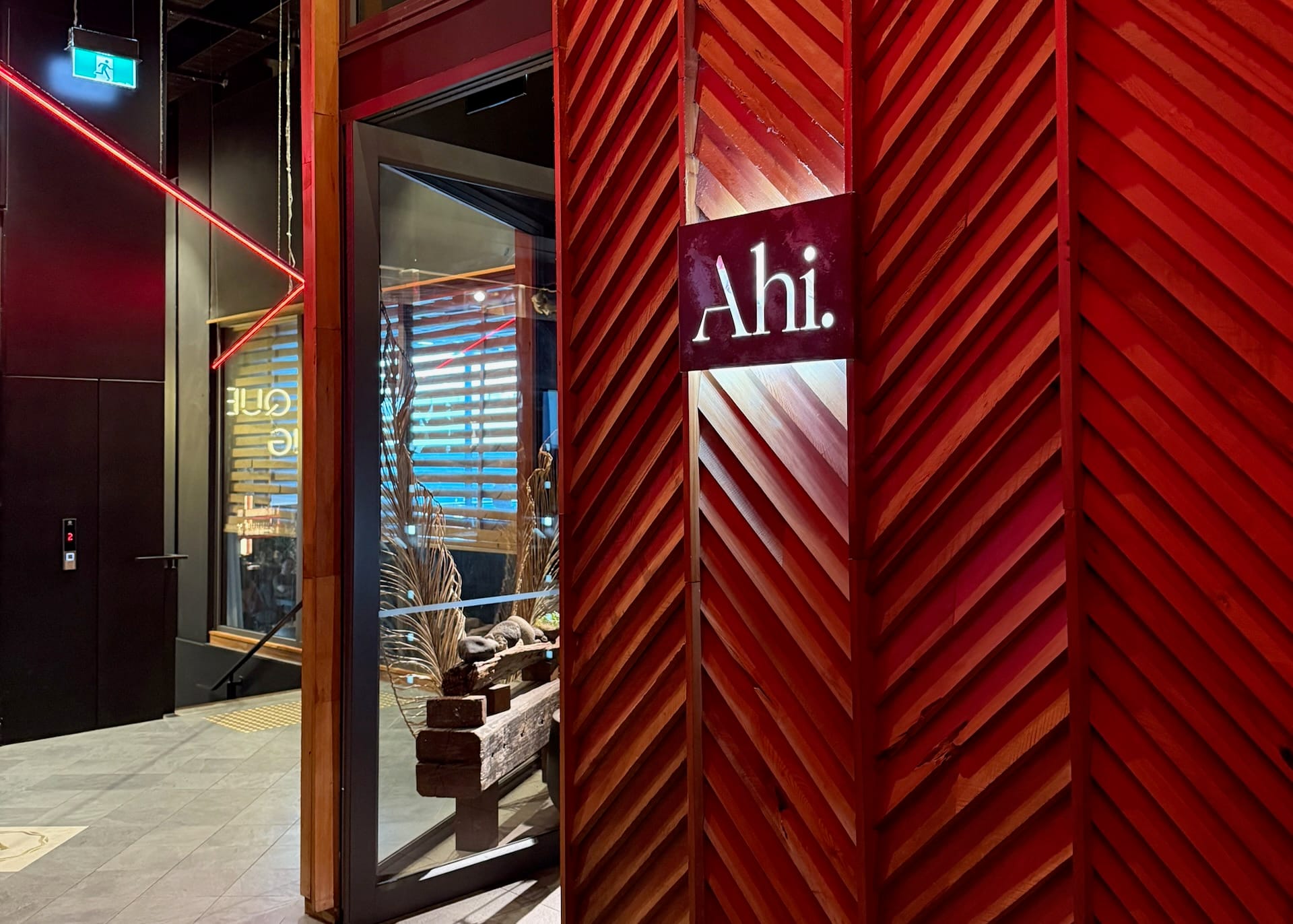
They won’t be serving Asian food. If there was any glaring omission from the New Zealand Michelin guide, it was surely Asian cuisine. New Zealand and Australia both have long and proud histories of Asian migration, and dynamic food scenes that reflect that history. But you wouldn’t know it from scanning the Michelin inclusions.
Of the starred restaurants, only Mudbrick makes even a cursory nod to the flavours and techniques of our closest neighbouring continent. Of the Bib Gourmand winners, it’s still almost wall-to-wall European or modern Kiwi, with inclusions such as Goat – fantastic Indian in Auckland – Gemmayze Street and Indian Alley notable for their rarity.
Don’t go looking for Indigenous Maori cuisine either, because you won’t find it.
I genuinely hope more value is placed on Asian cuisine in the South Australian guide.
There’s value outside the stars
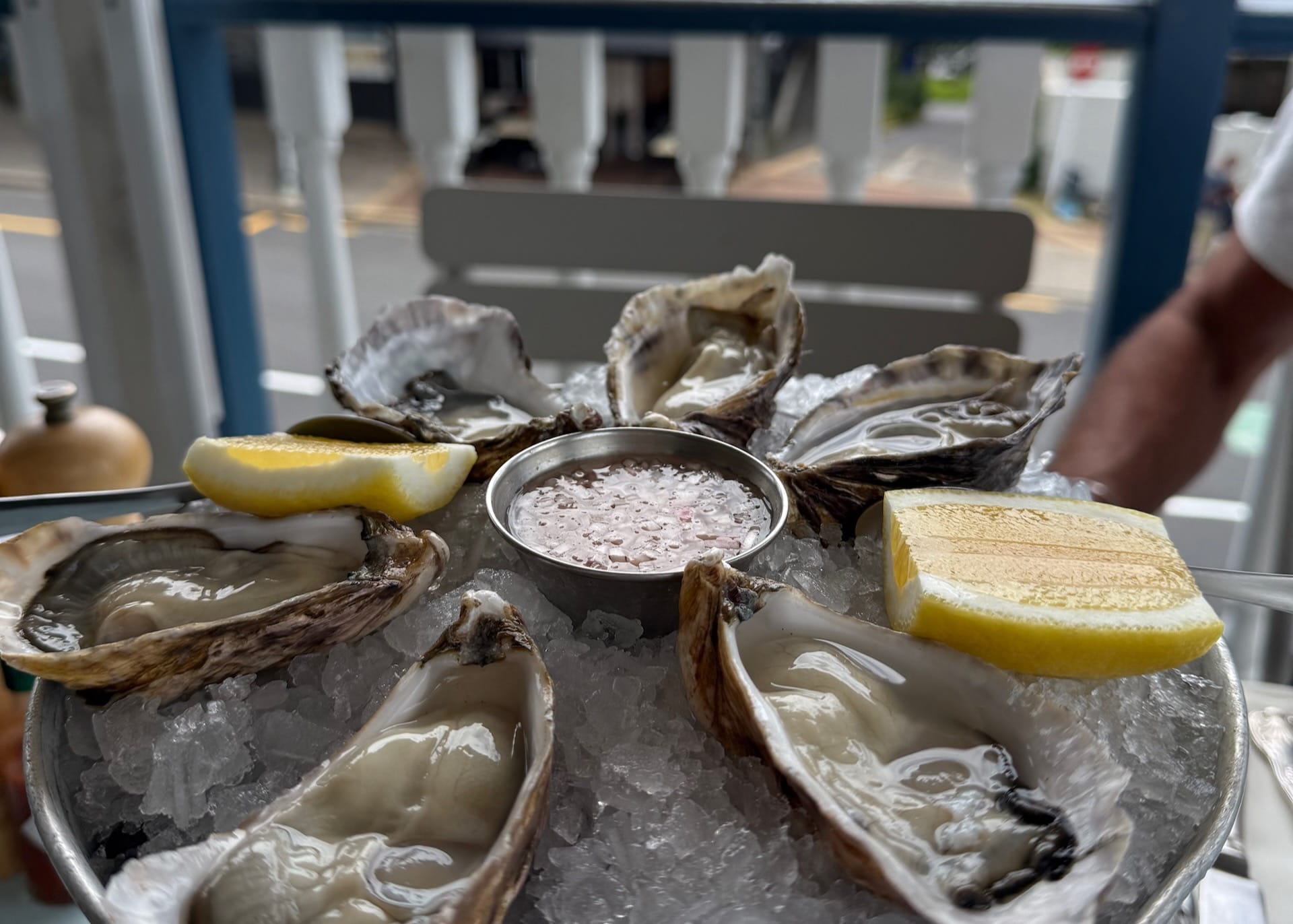
Everyone gets obsessed with stars, and they are a high achievement worthy of celebration. But as with every Michelin guide around the world, there’s so much value to be found in the restaurant inclusions that didn’t win stars or bibs.
This is where you will find some of my favourite Kiwi restaurants, in the general inclusions: Millhouse in Arrowtown, Cellar Door in Christchurch, Esther in Auckland, Graze in Wellington, Hello Beasty in Auckland and so many more.
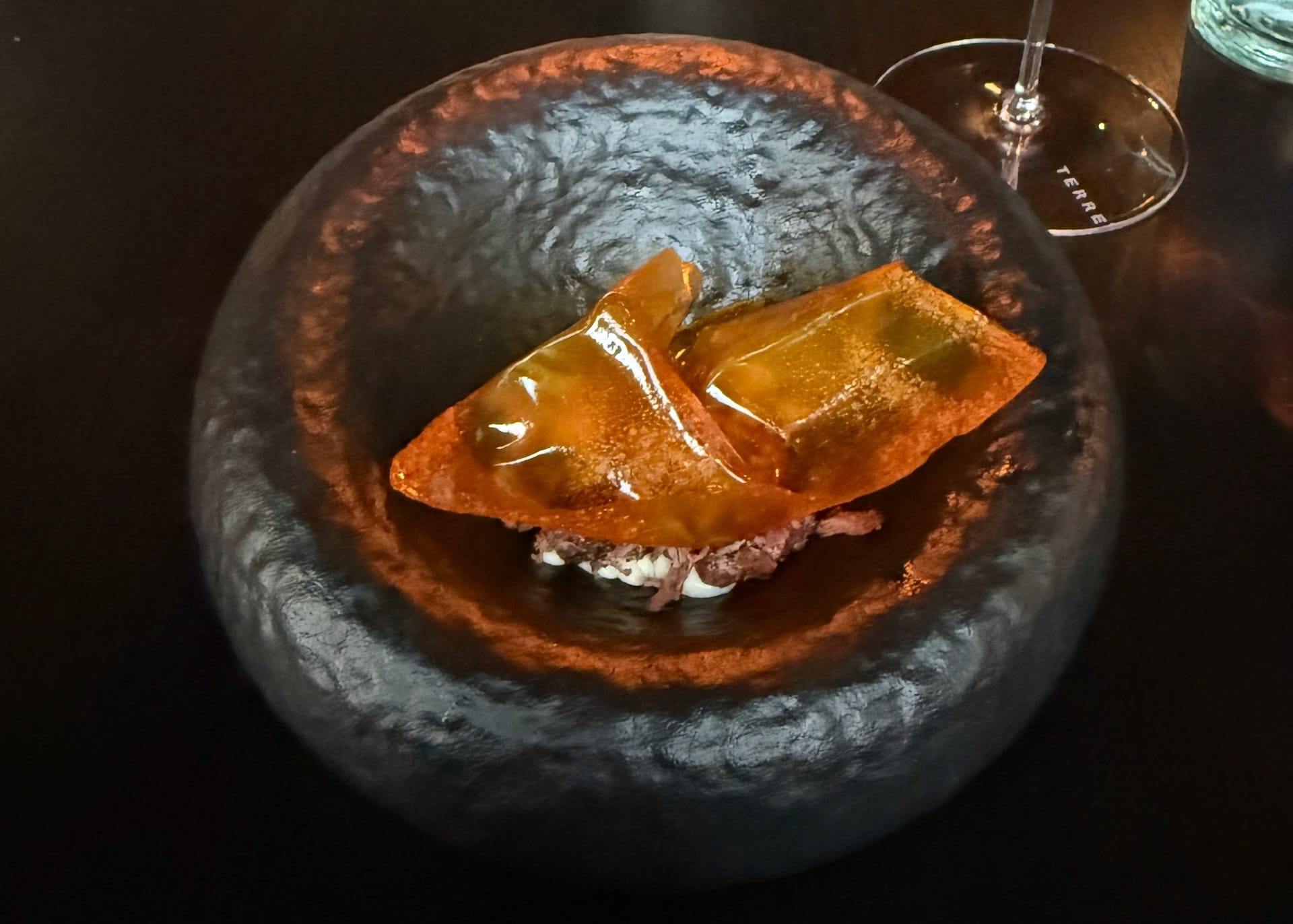
Michelin is a good thing for South Australia, in my opinion. There’s criticism that only a few restaurants will benefit, but I don’t think that’s true. The more food-obsessed travellers who decide to come to SA, the better. They might be there for one restaurant, but they still have to eat three meals a day, and in doing so they will discover the full breadth of what the state has to offer.
The concern that Michelin won’t “get” our local scene also seems unfounded, given the results in New Zealand.
The stars are coming in South Australia – that much is clear. Until then, you could always hop over to New Zealand and do some seriously good eating.
WHAT WE’VE BEEN EATING THIS WEEK
You know what? Life gets in the way sometimes. When you have two kids, and full-time jobs, and various dramas that you’re trying to deal with day-to-day, you sometimes just don’t get time to dedicate an entire week to an insane ramen rabbit hole. So this week there is no crazy project, just basic, simple home-cooking, the type of thing we eat when we’re not trying to make a video to impress everyone.
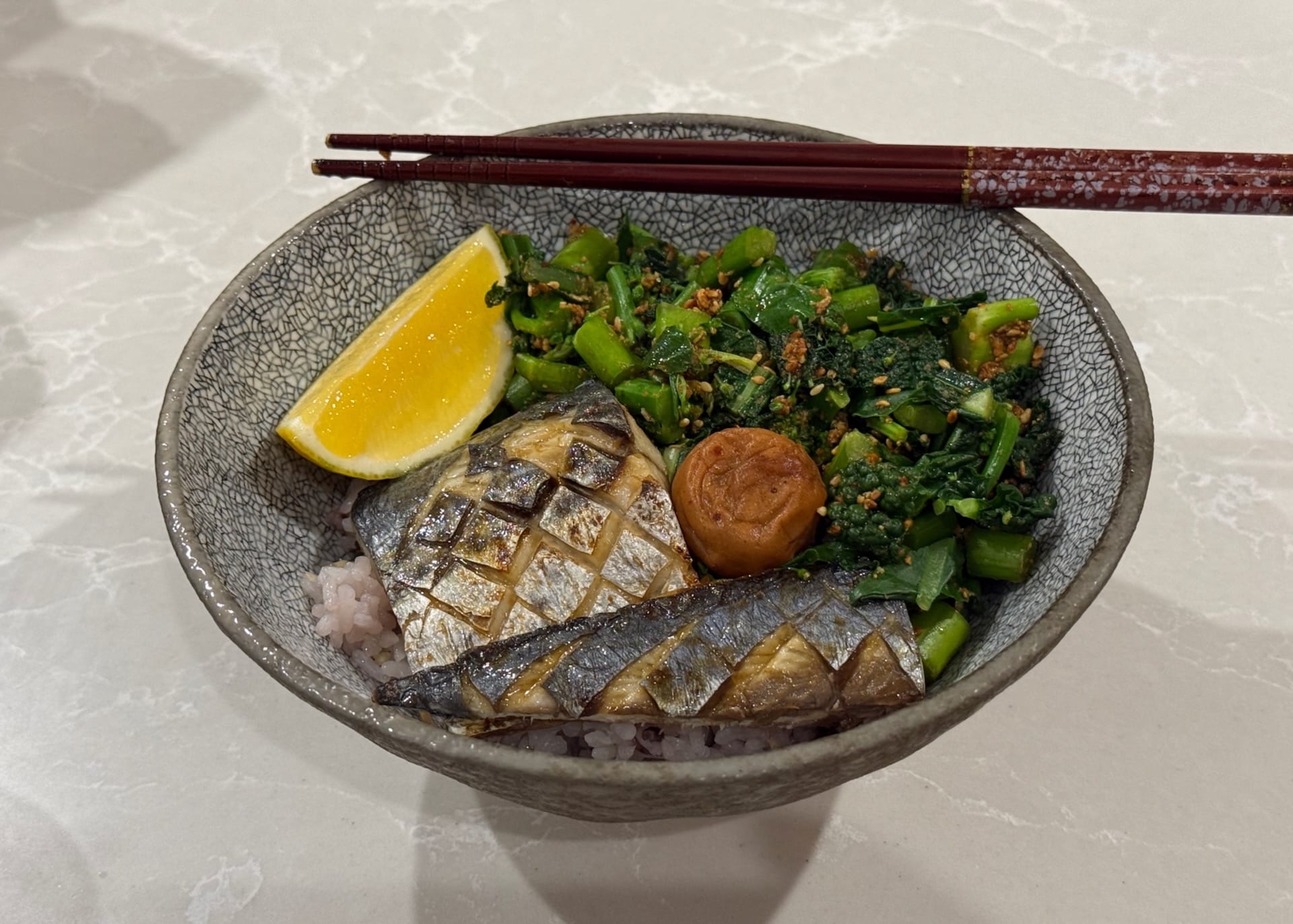
This dish above is blue mackerel, bought frozen from our local Korean grocer. Jess scored it and basted it with teriyaki marinade, the chucked it in the air-fryer. It’s served with a mix of kale and broccolini, which is chopped fine and dressed with soy, sugar and crushed sesame seeds (called goma), and pickled plum on Japanese rice. Tasty, healthy, and easy. Sometimes that’s exactly what you need.
WHAT I’M LOVING THIS WEEK
- Budget carrier Ryanair has “reluctantly” – to use the words of its CEO – decided to change its family seating policy, meaning parents can now sit with their kids without paying for a seat reservation. This is after an investigation was launched by the UK’s Competition and Markets Authority.
- Qantas announced this week it is adding 30,000 seats to its Melbourne to Tokyo route, which will hopefully bring welcome relief to a crowded and overpriced sector of the market.
- Did you know Sydney Airport auctions off its lost property each year? It’s happening again, too – next week, five online auctions will be staged in which you can bid on unclaimed lost property. Proceeds go to a local charity.
WHAT I’M NOT LOVING
- The heatwaves in Europe recently have been insane, with record temperatures across many of our favourite travel destinations. My advice: travel in the shoulder seasons. May, June, September and October are great in Europe.
- The inevitable grumbling about Michelin. It’s not the Bible – it’s just a guide. Often it’s right, sometimes it’s wrong. But it brings visitors, and that’s the whole point.
- Another climate change gripe: it’s been a brutal start to Australia’s snow season, with essentially no cover across all the country’s ski resorts. Is this even a viable industry anymore?


Member discussion