How travel writing really works; and the ramen rabbit-hole
Good morning friends! I hope this week’s missive finds you well. I’m on a plane right now, heading across to Western Australia to review restaurants and meet interesting people. I’ll be writing stories about those experiences of course, which inspired this week’s newsletter topic: how the sausage gets made. This is how the travel stories you read in the paper are shaped and influenced by all sorts of different and sometimes competing forces. I’m also taking an insane deep-dive into the world of ramen, and checking out Qantas’s new ultra long-haul cabin. Happy reading, and thanks again for your support – I couldn’t do this without you.
I don’t get paid to travel the world. That’s a common misconception, though one I understand. I make a living as a travel writer and a big part of my job is travelling the world, so it makes sense that one follows the other.
But I don’t get paid to travel the world – I get paid to write stories about travelling the world. That might not seem an important distinction, but if I don’t write stories, I don’t make any money. And I will also stop being sent around the world.
Let me explain. When you open the newspaper on the weekend, or – more likely – click a link on your phone or computer, you will find travel stories, first-person pieces about interesting destinations, writers’ curated, stylistic views of what a place is and what makes it amazing, what you should do when you’re there, where you should stay, what you should eat and so on.
The Food + Travel Edit is a community-funded newsletter, and your support is very much appreciated. Please consider upgrading to a paid subscription, for just $5 a month, or $50 a year.
The process seems simple: writer visits destination, becomes inspired by the things he or she finds there, and then writes a story about it, firing it off to an editor who polishes it up and publishes it in print or online. The reality, however, is that there is a whole industry working away in the background, several industries in fact, which all come together and occasionally work against each other to bring you the travel stories that hopefully inspire you to repeat them.
This is how the sausage gets made.
On one side…
I’m a freelance writer, which means I’m not directly employed by anyone – I work for myself, selling story ideas to media outlets, while also doing various other things like hosting tours to diversify my income.
When it comes to the stories, there are two sides, two industries, that I as a freelancer deal with and aim to please in order to make a story happen. The first of those is editorial, or the people on staff at various newspapers and magazines who edit the travel sections and decide what will and what will not be included.
These people are the gatekeepers, and if your story doesn’t please them, it won’t be published. So one of the key jobs of a freelance writer is to please the gatekeepers.
That means you have to come up with story ideas that will work for the publications you want to write for. A great story for one outlet is a terrible idea for another. You have to tailor your destinations and your styles of story to work with the publication you are hoping will give you a commission.
Once that idea has been given the OK, you write it up, send it in, it goes through an editing process and then eventually it’s published. Only…
On the other side…
There’s another side to travel writing, and that’s public relations, or PR, and destination marketing. People from this industry are the ones who make the trips happen. These are the people who also need to be pleased in order for your career to continue.
Here’s the truth: it’s impossible to make a living as a travel writer if you’re paying for your own travel. It would be great to live in a world where every writer was truly independent and able to fund their own adventures and make decisions about destinations and about coverage purely on merit, but we don’t live in that world. We live in a world where things are expensive and payment for stories isn’t high, so in order to make a living from travelling the world, you can’t pay for your own trips. Or at least, nowhere near all of them.
The answer to that is PR, the destinations and attractions that are prepared to pay the cost of travel writers visiting in order to publicise themselves and attract more visitors. The way that works in practice is that representatives of those destinations and attractions will get in touch with media outlets and individual writers and offer them free trips in return for coverage. There’s no contract for these trips that says “you must write positive stories”, but there’s an unspoken understanding that if you don’t write positive stories, you won’t be invited back.
If you want the free travel, you write the positive stories.
This might sound like a dodgy deal but in practice it’s pretty painless. Most travel experiences are great. It’s very easy for you as a writer to find something good to say about just about everywhere you go, because it really is good.
There have been a few trips I’ve been on where that hasn’t been the case, and then you have to decide: do I write the negative story and burn bridges, or do I write nothing at all? I’ve talked before about this choice before so I won’t go too far into it now, but it does occasionally happen.
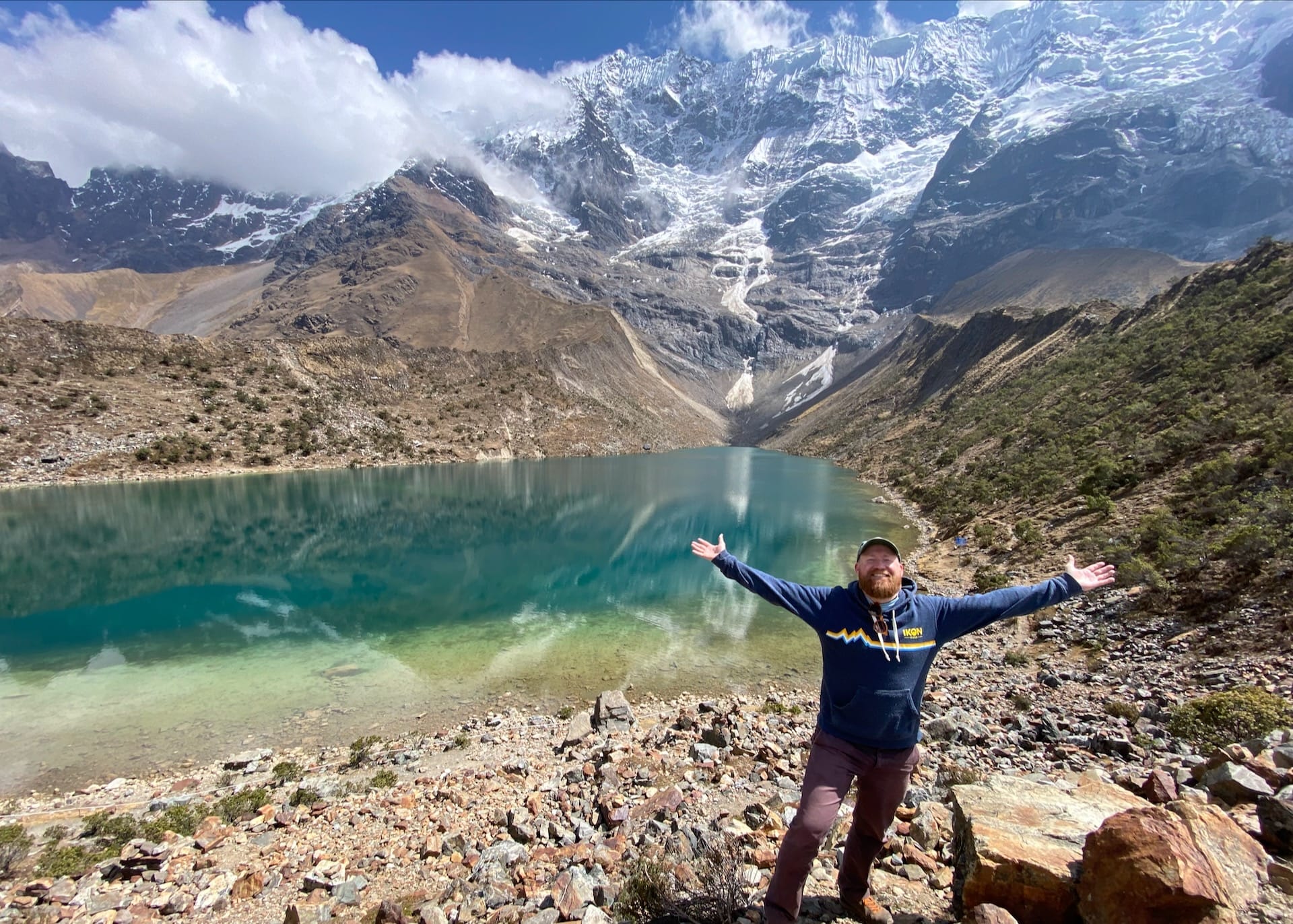
There are times, too, when PR companies will try to shoehorn certain experiences and venues into a trip that they know will probably not appeal to media outlets, in the hope they can sneak some coverage across the line. The trick as a writer is to ensure you only cover the things you’re truly excited about, and that your readers will find similarly interesting.
This PR system also helps explain why you the reader are suddenly seeing a lot of travel stories about Palau, or why so many travel writers seem to be able to afford to go to Switzerland. These countries are pouring money into PR, and paying for writers to visit.
Certain new hotels will also get a lot of media coverage when they open because they’re paying for media to stay. Some restaurants with big budgets will shell out for visits in the hope of positive coverage.
As a freelance writer, you have to decide which trips will work best for you, which will produce the most interesting stories, and therefore the easiest stories to sell. You have to go on trips you expect to enjoy so that the PR side will get what they want (coverage), and your editors will get what they want (good stories), and so you the writer can hopefully get what you want (to continue this incredible career of travelling the world and making a living out of it).
Mostly, it works.
WHAT WE’VE BEEN EATING THIS WEEK
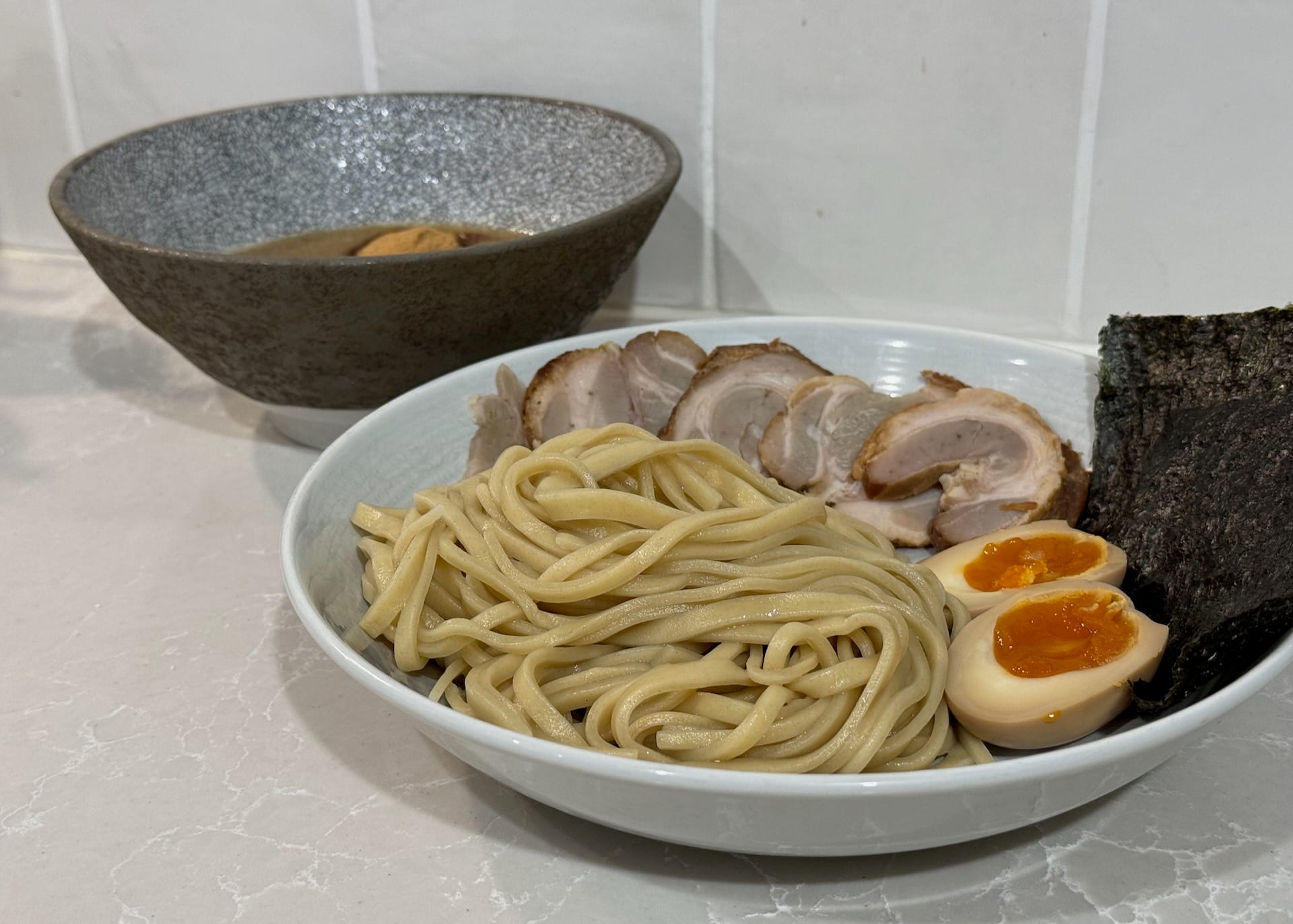
Ramen, as some of you may know, is an obsession of mine. I will queue for it in Japan for hours. And I will spend literally days and days making it at home. This week I have been on a mission to create something that’s almost impossible to get in Australia: good tsukemen ramen.
This is the style of ramen with the noodles on the side, big, thick, chewy strands that you dip into hot soup and then slurp up. The focus of this dish is on the quality of the noodles, and I have never found anywhere in Australia that does them justice. So I made my own.
It takes a full day to make the broth for tsukemen, three days to marinate the eggs, two days to make the chashu pork, and a full day to make the noodles (plus four days to rest them in the fridge and develop flavour).
And the result? Good. But not good enough. The soup was too thin, and the noodles could use a little tinkering. Back to the drawing board.
WHAT I’M LOVING THIS WEEK
- Qantas has announced a launch date for its almost mythical Sydney-to-London direct flights (October 2027), but more interestingly, we also got a first look at its cabin. Obviously you want to be up the pointy end for a 21-hour flight, but back in economy there will be a seat pitch of 33 to 34 inches, which is about the same as ANA, the leader in its class. There’s also a small area set aside for passengers to stretch and even just stand up for a while. Which I guess makes it doable?
- The thought of a 21-hour flight might not excite you that much, but I have to say I’m pretty stoked about the idea of flying over the North Pole. One of the Project Sunrise flights paths (weather dependent) takes passengers over Alaska, Greenland and Iceland before approaching London from the north.
- I doubt I will ever experience them, but Qantas’s first class suites on the A350-1000XLR planes do look amazing, with a full bed and a dining table big enough to invite at least one fellow passenger to join you for a meal.
WHAT I’M NOT LOVING
- Back on Qantas’s Project Sunrise flight, can you imagine doing Sydney to London direct with kids? Flying 21 hours without a break, while trying to keep young children entertained? Not my idea of a good time.
- I got massively ripped off at Istanbul Airport recently. I considered pretending it didn’t happen, but where’s the fun in that…?
- Dynamic pricing. There is never an upside for travellers or consumers when dynamic pricing is involved. Hotels do it, airlines do it, banks do it, and it’s costing us all a huge amount of money.

Member discussion